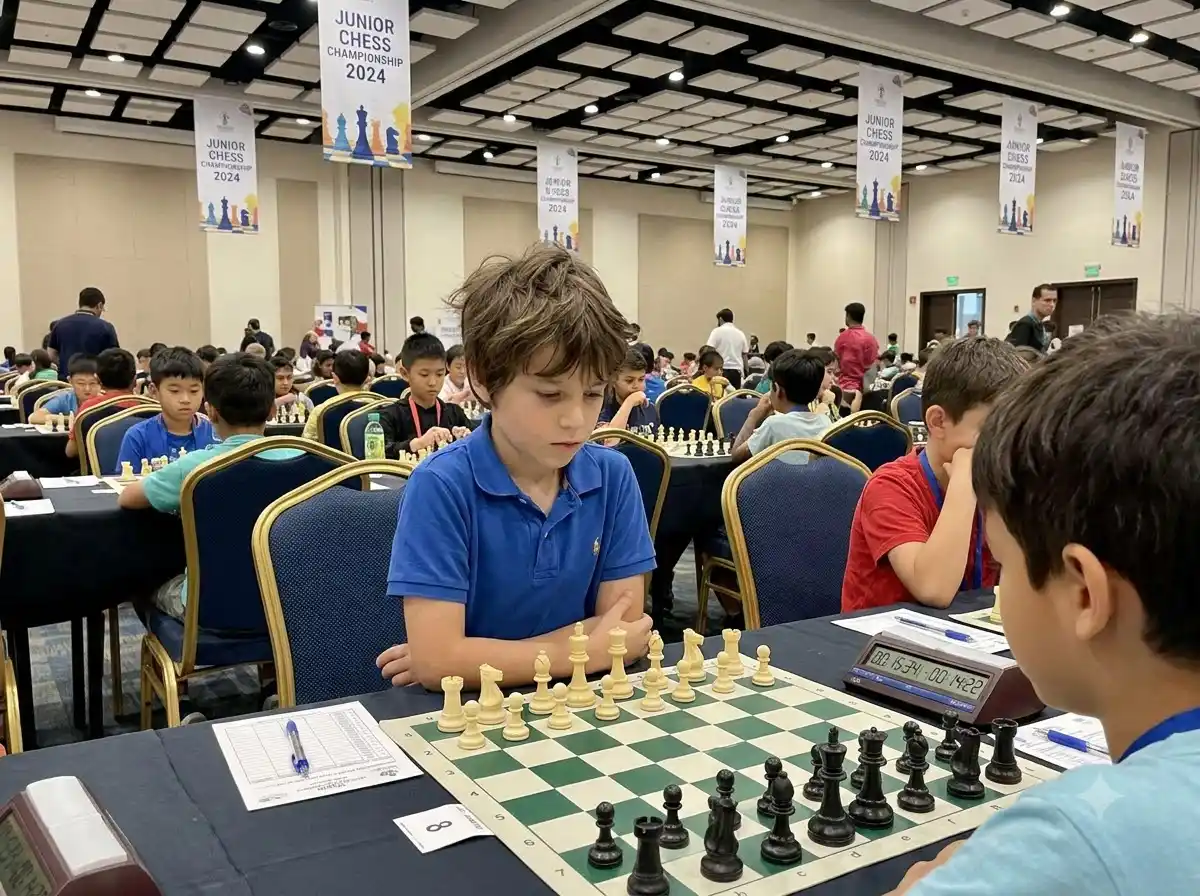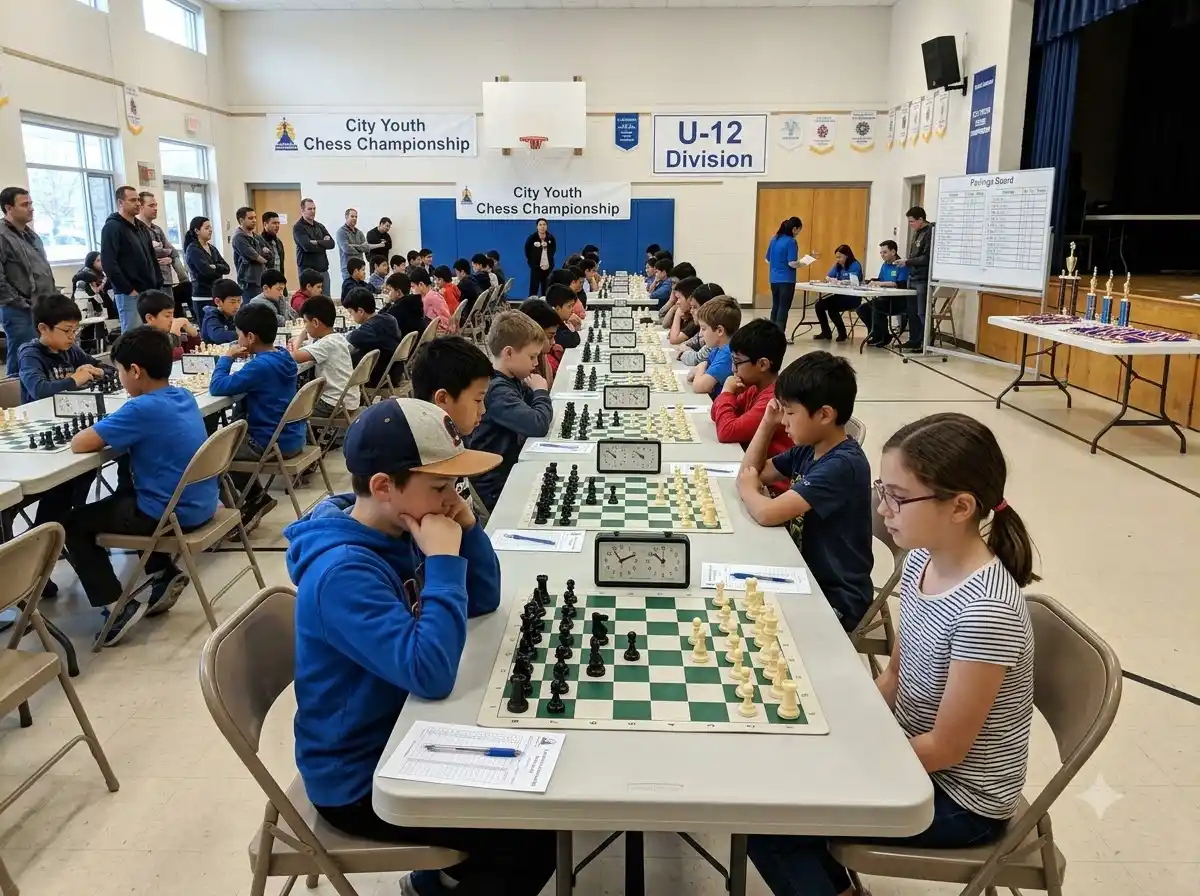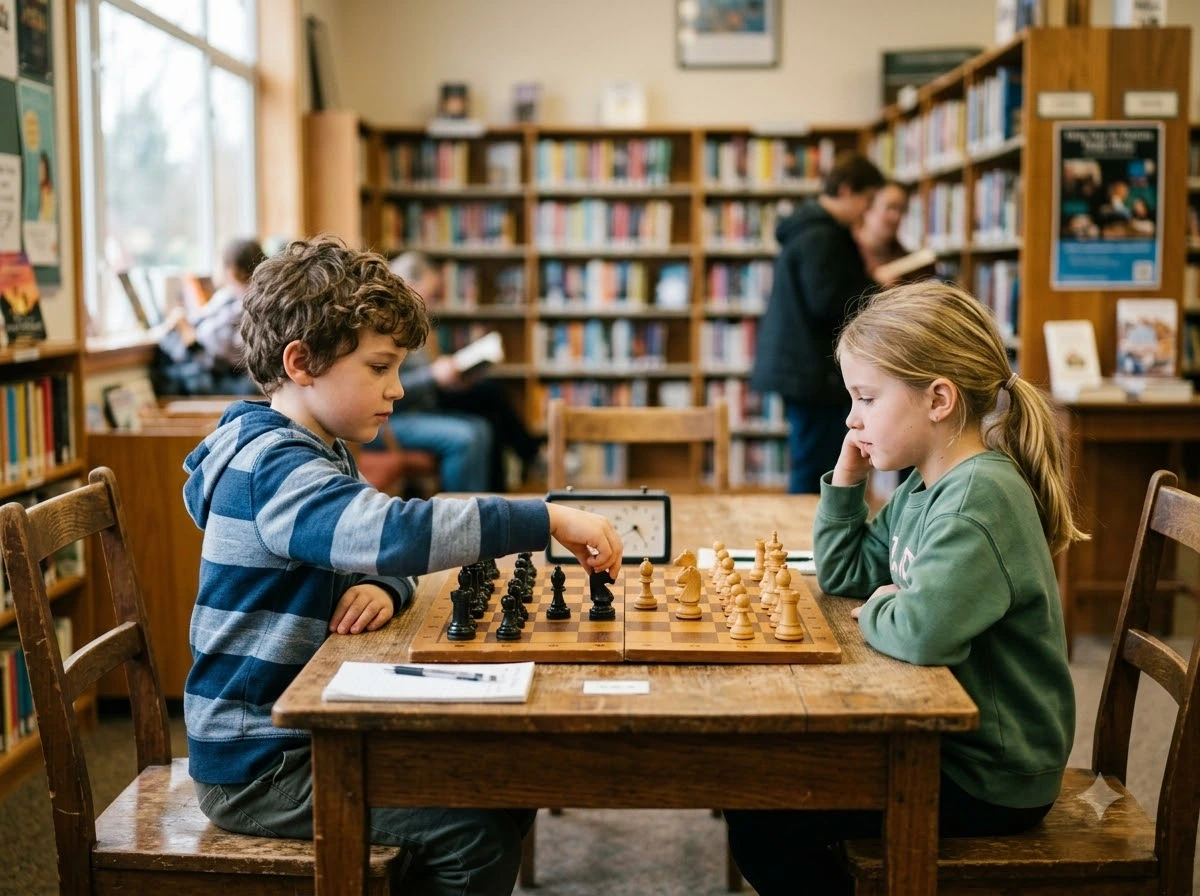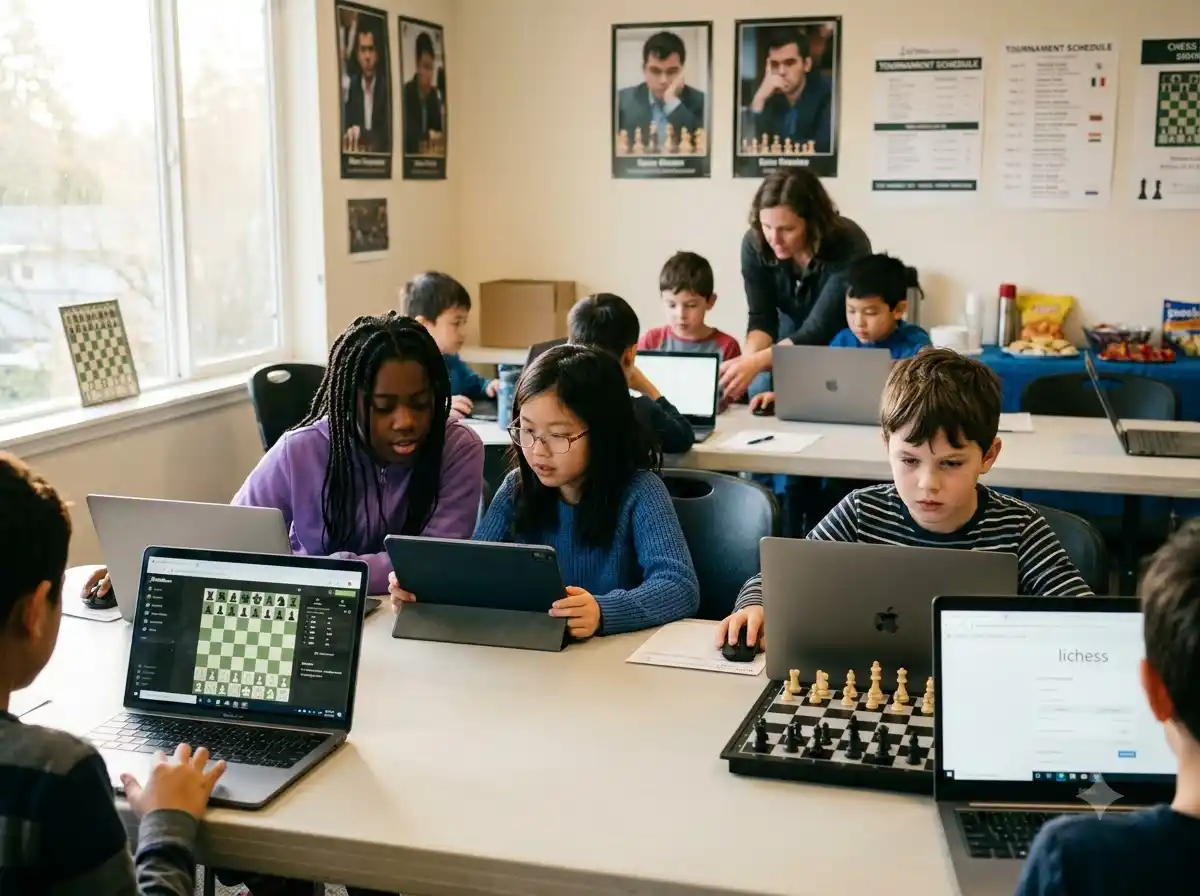
“A chess app teaches you the moves. A physical board teaches your hands to remember them too.”
Chess apps have made the game more accessible than ever instant matches, built-in puzzles, no board to set up. But accessibility isn’t the same as effectiveness, and a growing body of research suggests that physically moving pieces on a real board builds memory and focus in ways that tapping a screen simply doesn’t. Here’s what the science actually shows, and why it matters for anyone learning the game.
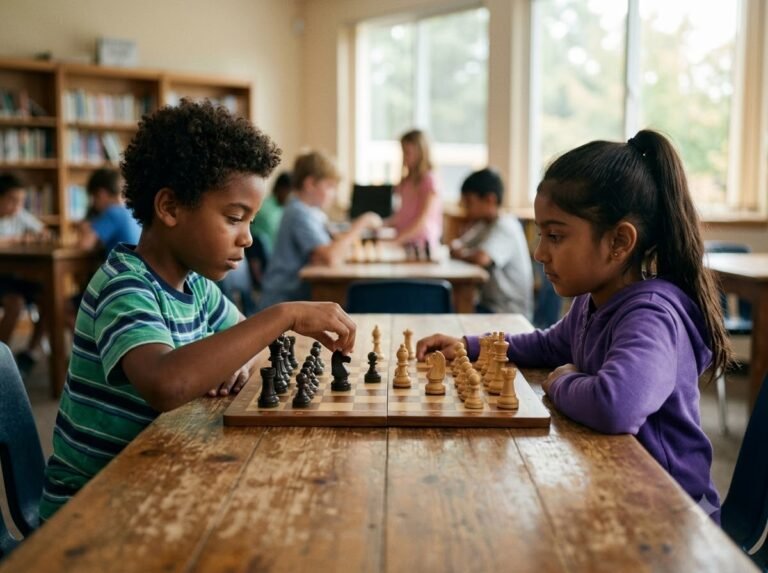
1. What Physical Manipulation Does to Memory
The brain doesn’t just store facts it stores the physical context around how those facts were learned. Research on tactile learning shows that physically manipulating an object activates memory pathways beyond pure visual processing, encoding not just the concept itself but the weight, texture, and position of the object involved. That’s not a minor effect limited to a few “hands-on learners” either it strengthens memory encoding broadly, regardless of how someone prefers to learn.
A striking, closely related finding comes from handwriting research: people who write on paper show stronger brain activation than people writing the exact same words on a digital tablet, an effect researchers link to the physical friction and texture of a real surface. The parallel to chess is direct picking up a wooden pawn and setting it down on a specific square engages the hand and the eye together, while tapping a flat, uniform piece of glass gives the brain far less physical information to anchor the memory to.
This is why two people can “know” the same chess position and still remember it differently a week later. One learned it by watching pieces slide across a screen; the other learned it by physically placing a knight on a square, feeling its weight, and seeing it sit among the surrounding pieces. The physical version simply gives the brain more to hold onto.
2. The Chess-Specific Evidence
Chess offers unusually direct evidence of this effect, because researchers have studied it for decades. Chess experts can recall entire board positions with striking accuracy and while that ability weakens when a board is deliberately scrambled, it doesn’t disappear, which tells researchers the memory isn’t just pattern recognition, it’s genuine spatial encoding of where each piece sits relative to the others.
Brain-imaging research adds a physical dimension to that finding. A Northumbria University study found that regular chess players develop higher gray matter density in brain regions associated with memory, and a University of Rochester study using diffusion tensor imaging found that twelve months of intensive chess practice increased white matter density in the pathways connecting memory regions meaning sustained practice doesn’t just improve chess skill, it physically strengthens the brain’s memory circuitry.
Importantly, this advantage isn’t just about repetition or exposure. Later research found that a player’s high-level strategic knowledge not just familiarity with recurring patterns independently predicts how well they recall a position. In other words, the understanding built through years of physically handling pieces compounds over time in a way that pure screen-based repetition struggles to replicate.
3. Why the Difference Shows Up in Focus, Not Just Memory
Memory and focus aren’t separate stories here they’re connected by the same underlying mechanism. A physical board gives the brain a single, unchanging object to anchor attention to: the same weight in your hand, the same click of a piece against wood, move after move. A screen, by contrast, is the exact same object that also delivers notifications, autoplay suggestions, and the general pull of a device built to keep your attention moving, not settled.
This isn’t a claim that all screen time is equally distracting a screen used purely for a puzzle, with nothing else running, is a very different environment than a phone buzzing mid-game. But the physical board removes the competition for attention entirely by design, rather than requiring willpower to avoid it. That’s a meaningful difference for a child (or an adult) still building the habit of sustained focus.
Put together, the pattern is consistent: physical manipulation builds richer memory encoding, and the same physical medium removes a layer of distraction that digital play has to actively work around. Neither effect depends on the other, but they reinforce each other every time a player sits down at a real board.
Free Demo Class for Kids
Conclusion
The research points in one consistent direction: physically handling chess pieces builds memory in ways that tapping a screen doesn’t fully replicate, and the same tactile environment that strengthens memory also removes a source of digital distraction that app-based play has to fight against. That doesn’t make apps useless they’re excellent for quick practice and puzzles but for building deep, lasting understanding of the game, time at a real board still has a real, measurable edge.
Want to see what that looks like for your child? Head to venturechessacademy.com to book a free trial session and experience a real board, a real coach, and the kind of focused learning a screen can’t fully replace.
FAQ
Q: Does this mean online chess apps are bad for learning?
A: Not at all apps are excellent for frequent practice, puzzles, and instant feedback. The research simply shows that physical boards add a memory and focus advantage that screen-based play doesn’t fully replicate, not that digital play has no value.
Q: Is this effect specific to chess, or does it apply to any physical activity?
A: The tactile-memory effect is general it shows up in handwriting research and other hands-on learning too. Chess is simply one of the best-studied examples of it in action.
Q: How much of the memory advantage comes from just playing more, versus playing physically?
A: Both matter, but the research suggests strategic understanding built through sustained, engaged practice predicts memory as strongly as raw repetition, which is why quality of practice matters as much as quantity.