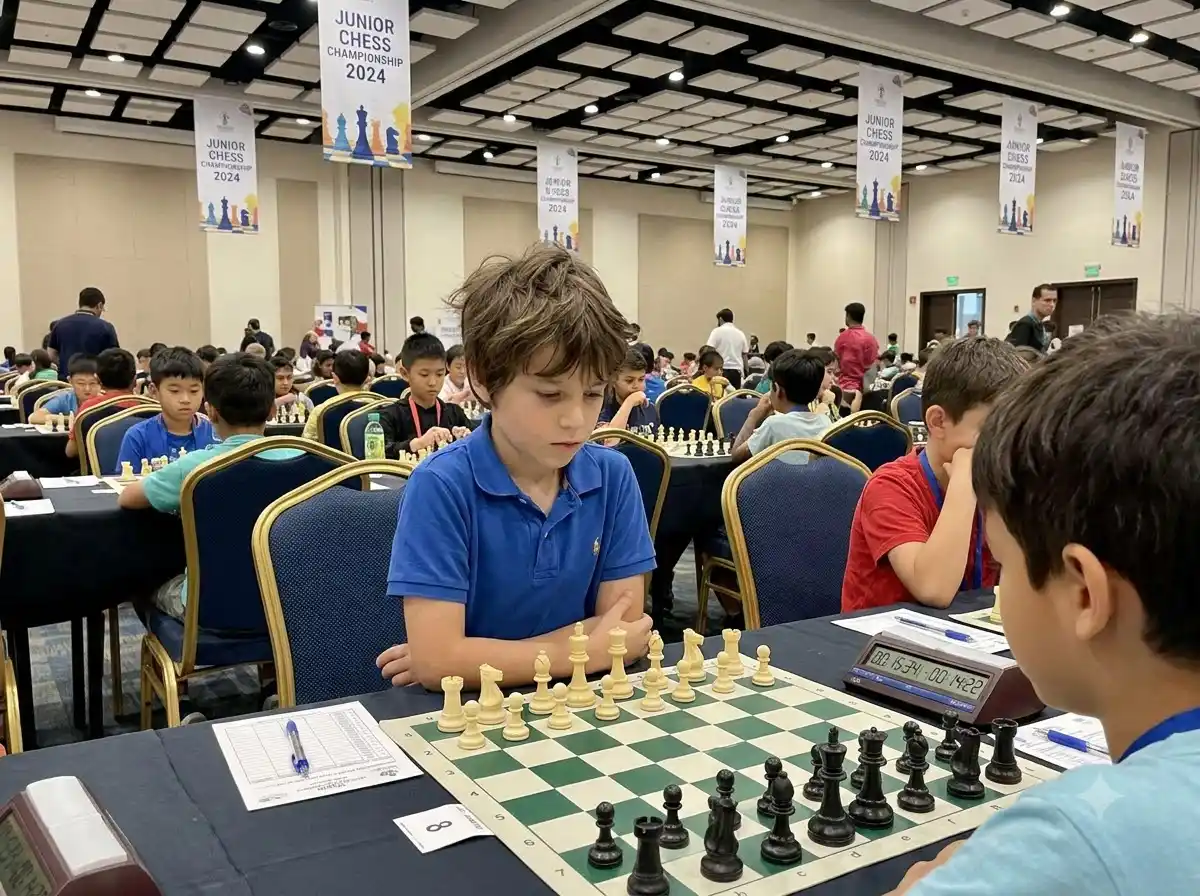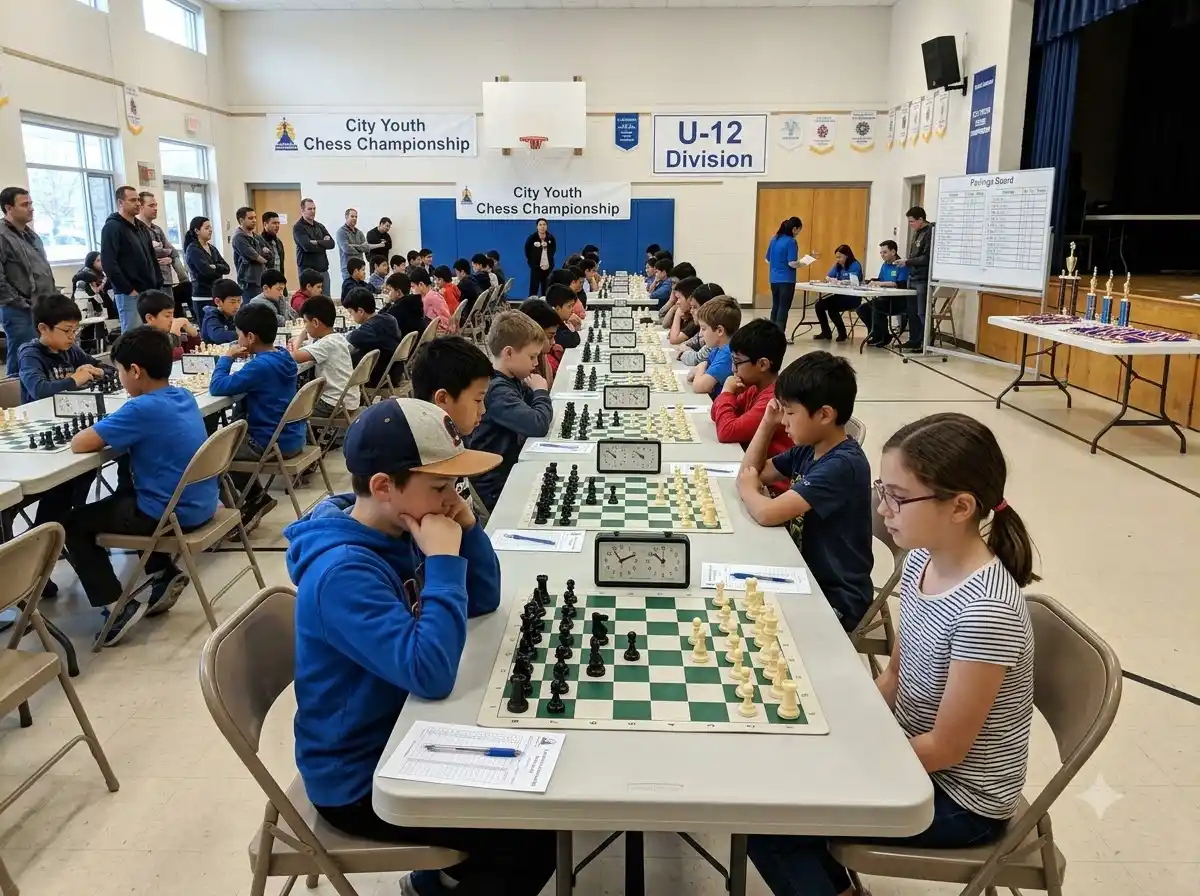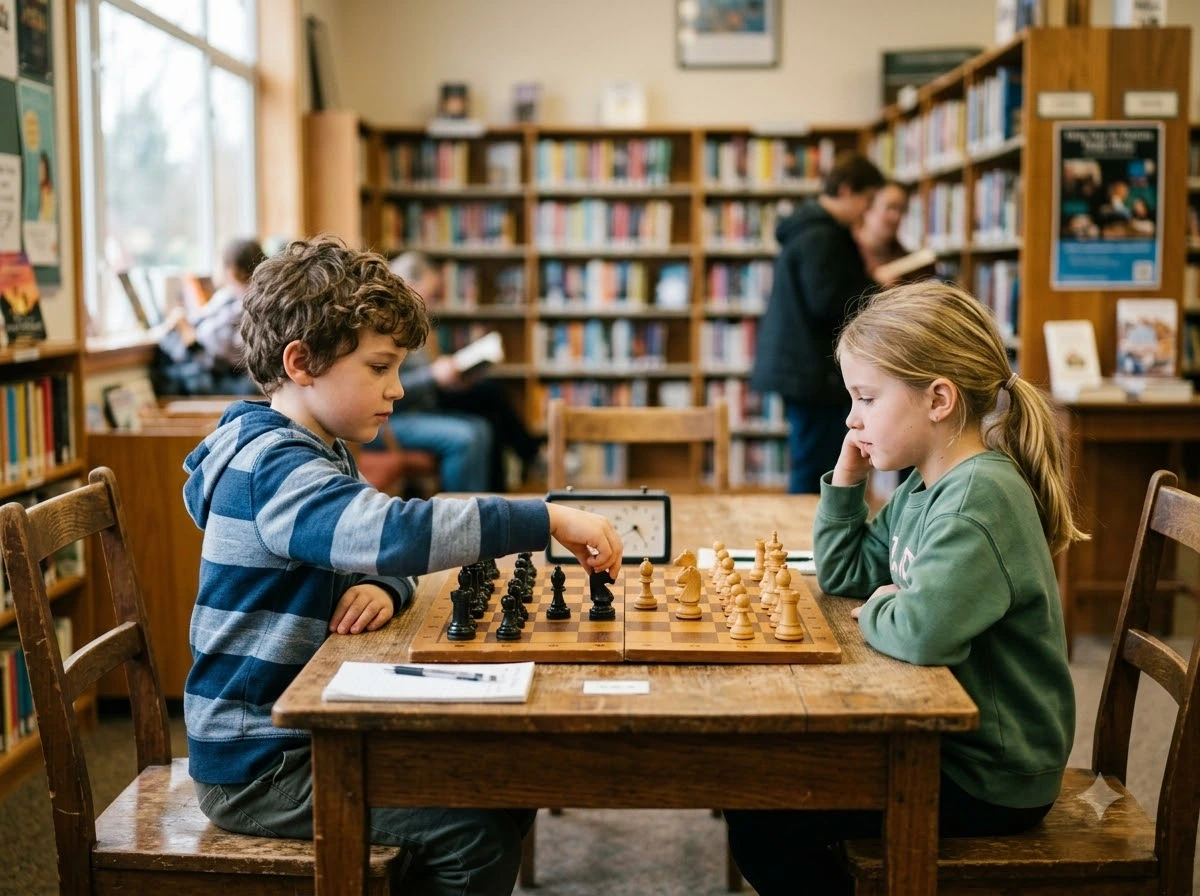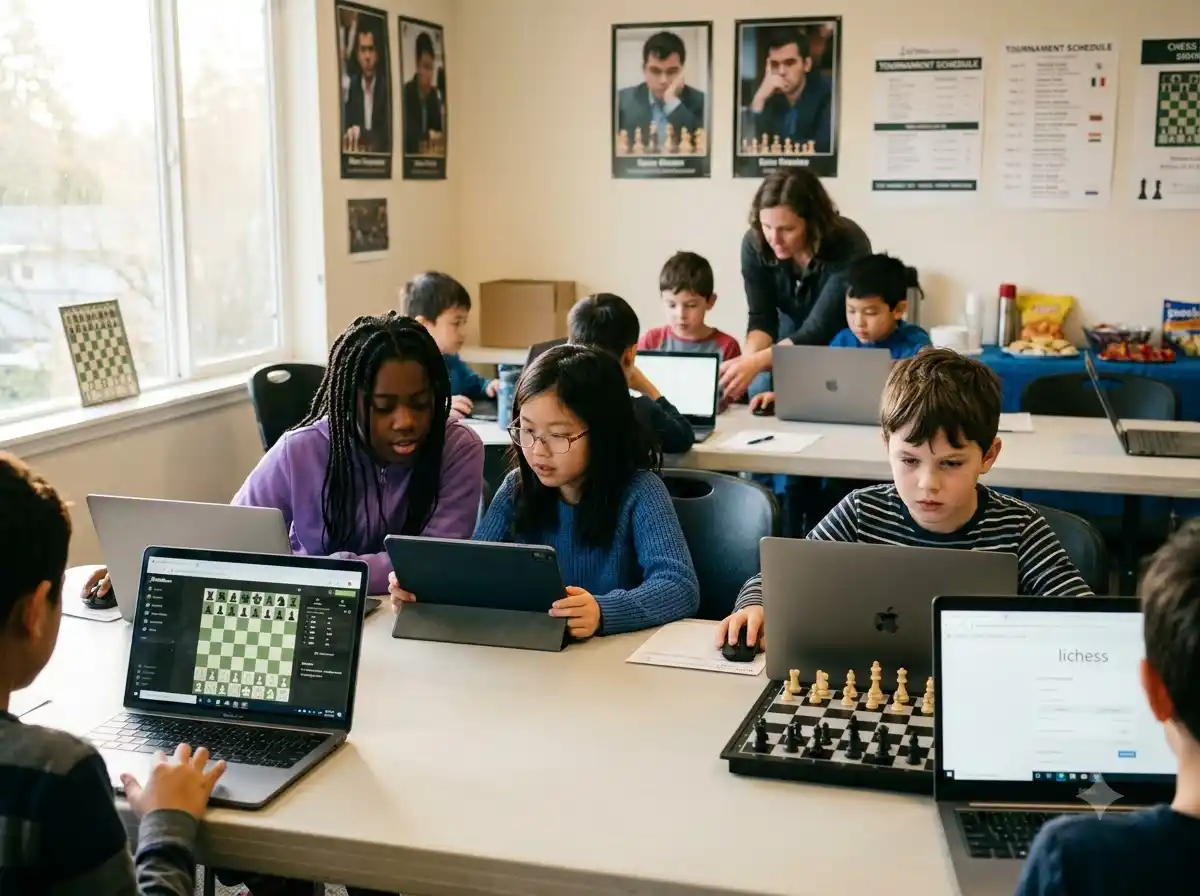
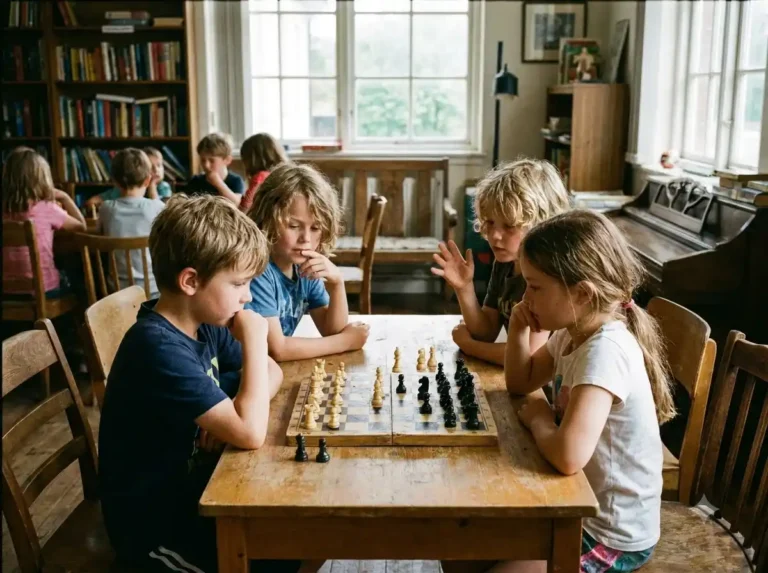
Chess is often described as a gymnasium for the mind. While it is certainly a fun and competitive game, the true value of chess lies in what happens beneath the surface. Every time a child sits down at the chessboard, they are engaging in a rigorous mental workout that shapes their cognitive development for years to come.
Understanding the brain benefits of playing chess can help parents see why this ancient game remains one of the most effective extracurricular activities for young learners.
Here are the top seven cognitive advantages your child gains by playing chess.
Chess is more than just a game it’s a powerful tool for shaping the mind. From boosting memory to enhancing cognitive development, chess has long been linked to improved brain functionality. In this blog, we explore how chess boosts brain function, the benefits of playing chess regularly, and the science behind chess and brain functionality especially in students and young learners.
How Chess Transforms the Developing Brain
1. Supercharges Memory and Recall
To play chess effectively, a player must remember how pieces move, recall past games, and memorize complex opening strategies. This constant exercise of storing and retrieving information strengthens both short-term and long-term memory. Studies have shown that students who play chess regularly exhibit significantly better memory skills in their academic subjects.
2. Drastically Improves Concentration and Focus
In a world dominated by short-form video content and digital distractions, attention spans are shrinking. Chess demands absolute presence. A single lapse in concentration can result in losing a crucial piece. By playing chess, children train their brains to maintain deep, uninterrupted focus for extended periods a skill that directly translates to better performance in school and exams.
3. Enhances Critical Problem-Solving Skills
Every chess match is a dynamic puzzle that changes with every move. Players are constantly forced to evaluate new situations, identify threats, and formulate solutions on the fly. This continuous loop of critical thinking helps children develop robust problem-solving skills, teaching them to approach real-life challenges logically rather than emotionally.
4. Exercises Both Sides of the Brain
A common misconception is that chess is purely a left-brain (logical and analytical) activity. However, neuroimaging studies reveal that chess players use both hemispheres of the brain. While the left hemisphere is busy calculating variations, the right hemisphere is actively engaged in recognizing visual patterns and generating creative strategies.
5. Boosts Reading and Mathematical Comprehension
The cognitive processes required for chess—pattern recognition, spatial reasoning, and logical deduction are the same processes used in reading and math. Research consistently links structured chess instruction to higher reading comprehension scores and improved mathematical performance among elementary students.
6. Teaches Planning and Foresight
“If I move here, what will my opponent do?” This is the core question of chess. The game forces children to think multiple steps ahead and anticipate the consequences of their actions. This develops the prefrontal cortex—the area of the brain responsible for planning, judgment, and self-control.
7. Builds Emotional Resilience and Patience
Chess is not just an intellectual challenge; it is an emotional one. Losing a game is inevitable, but chess teaches children how to lose gracefully, analyze their mistakes, and try again. This builds incredible psychological resilience, teaching them that failure is simply feedback for improvement.
Unlock Your Child’s Potential at Venture Chess Academy
While playing casually at home is beneficial, unlocking the full cognitive power of chess requires structured learning and expert guidance.
At Venture Chess Academy, our curriculum is designed to maximize these brain benefits. We maintain strictly capped batch sizes—a maximum of 5 students per batch ensuring that every child receives the personalized attention they need to master complex concepts.
Whether you choose structured offline training or interactive online chess classes, your child will learn directly from experienced, FIDE-rated coaches. Our proven methodology doesn’t just teach the rules of the game; it prepares young minds to excel in academics and FIDE-rated tournaments and international events.
Ready to give your child a strategic advantage in life?
Book a free 60-minute trial class with our FIDE-rated coaches to discover how Venture Chess Academy can transform your child’s focus and cognitive skills.
FAQ:
Playing chess exercises both hemispheres of the brain, significantly improving memory, deep concentration, pattern recognition, and critical problem-solving skills.
Yes! Studies consistently link early structured chess training to better spatial reasoning, higher reading comprehension scores, and improved mathematical performance in school.