“The goal of a first tournament isn’t to win it’s to walk out still wanting to play a second one.”
Most parents spend the weeks before a first tournament worrying about openings and tactics, when the thing that actually decides how the day goes is almost always mental, not technical. A child who’s calm, curious, and knows what to expect will outperform a stronger player who’s anxious and unprepared for the format itself. Here’s how to build that calm on purpose, rather than hoping it shows up on its own.
1. Reframe the Goal Before the Tournament Even Starts
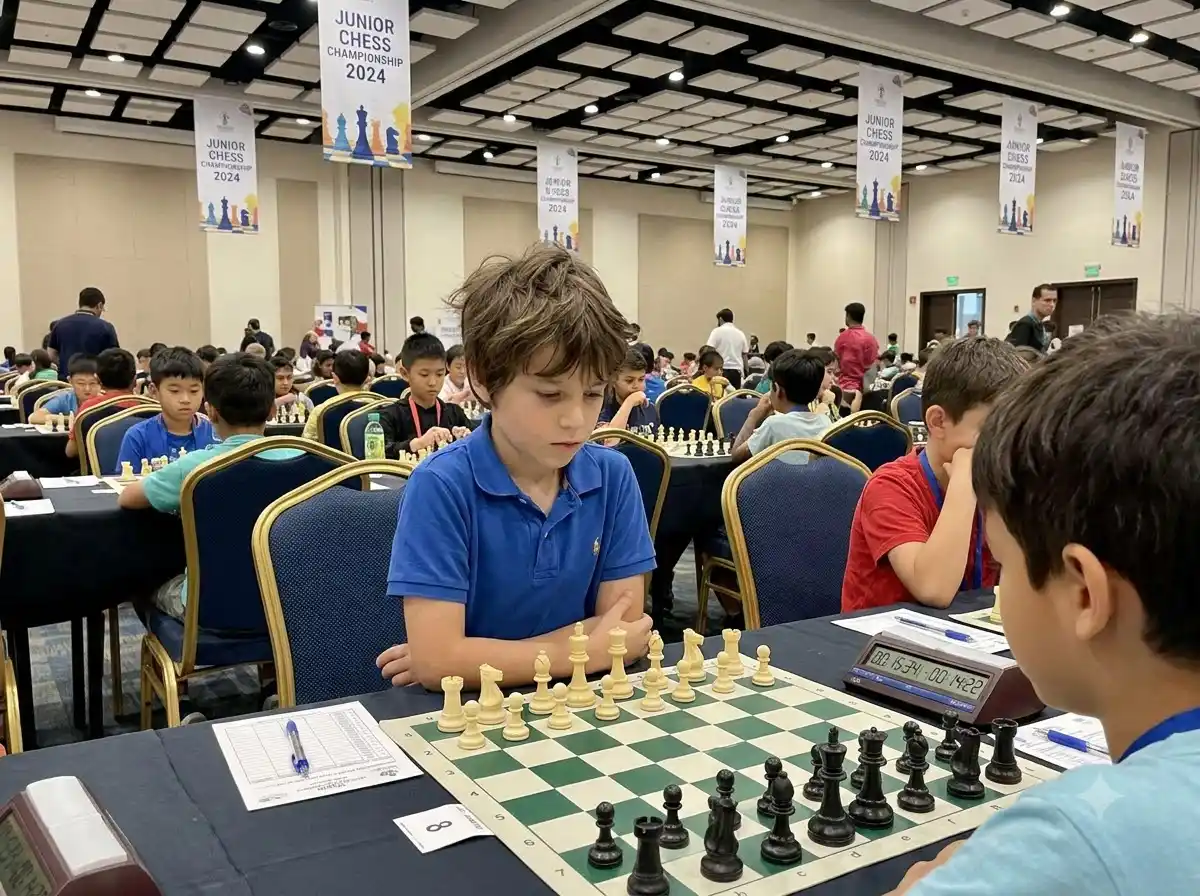
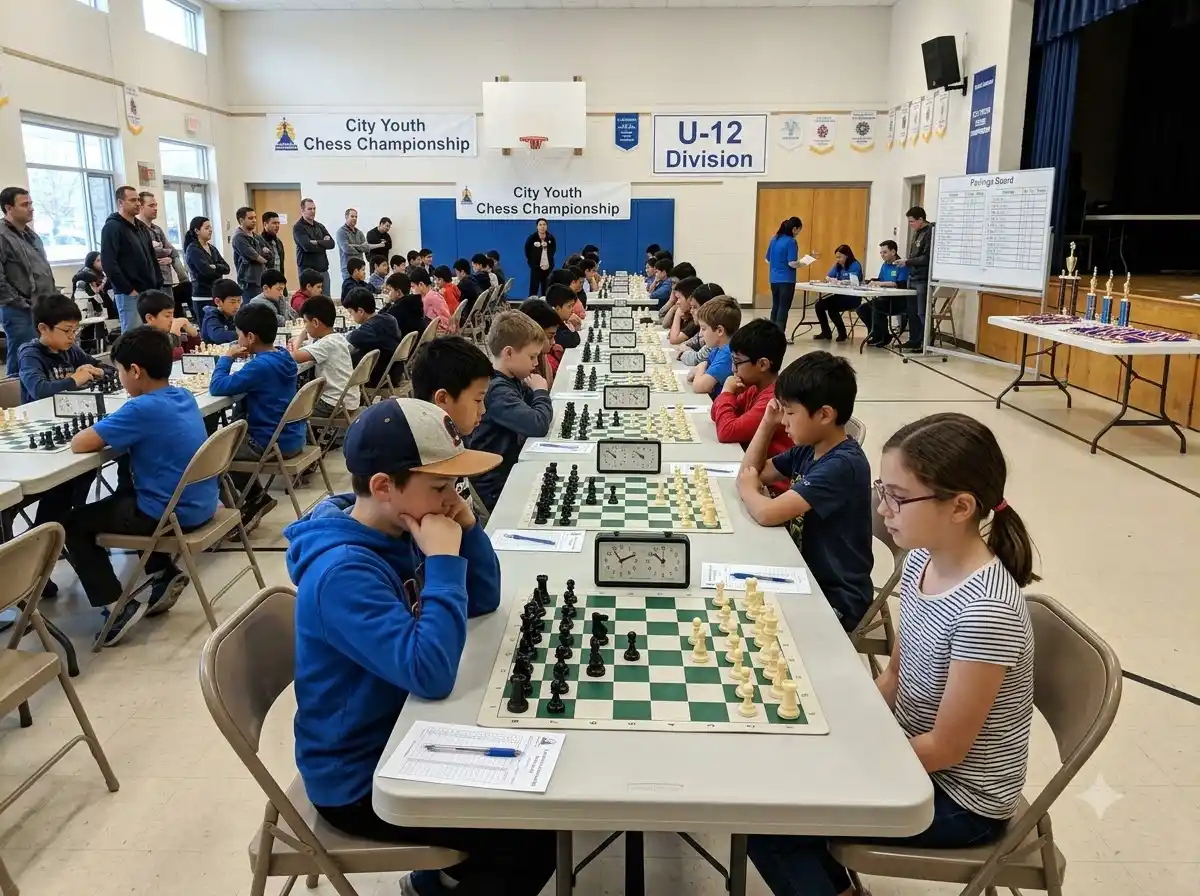
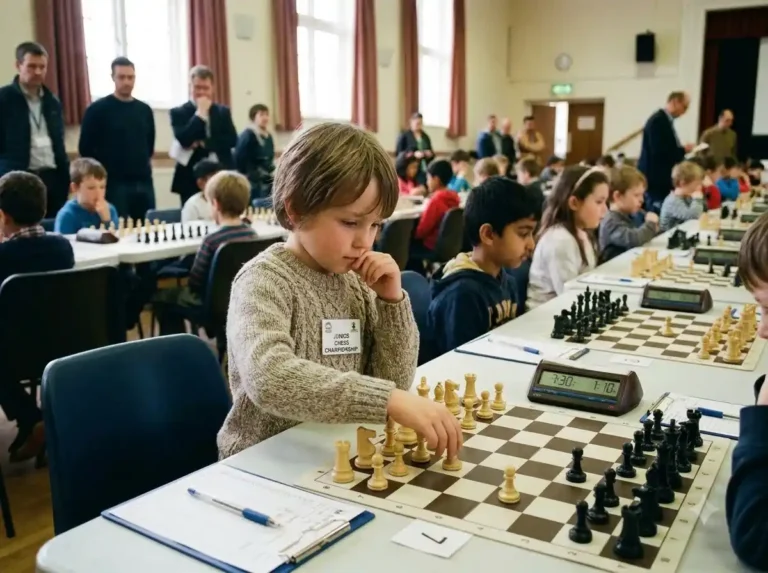
The single most useful shift a parent can make is redefining what “success” means for a first event. Most scholastic tournaments run all day across five rounds a genuine surprise for parents used to single-elimination formats in other sports and the real goal for a first-timer should simply be to endure every round with focus intact, not to win. A child who hears this framing ahead of time carries far less pressure into round one than a child quietly expecting to win every game.
Process-based goals do more work here than outcome-based ones. Instead of talking about winning or rating points, help your child set concrete, controllable goals using the clock wisely, writing moves clearly, and trying their best in every single position regardless of how the game is going. These are goals a child can actually achieve no matter the final result, which keeps their sense of success in their own hands.
Your own visible state matters just as much as anything you say. Children pick up on a parent’s stress almost immediately, and that anxiety transfers directly onto them before the first move is even played. Staying calm yourself, genuinely, not performed, is one of the most consistently repeated pieces of advice from coaches across every source on this topic.
2. Build Familiarity So the Unknown Isn't the Enemy
Coaches consistently point to one real driver behind tournament anxiety in kids: uncertainty, not a lack of chess skill. A child who doesn’t know how pairings work, how long rounds actually last, or what the room will feel like is bringing far more unknowns into their first event than the chess itself accounts for.
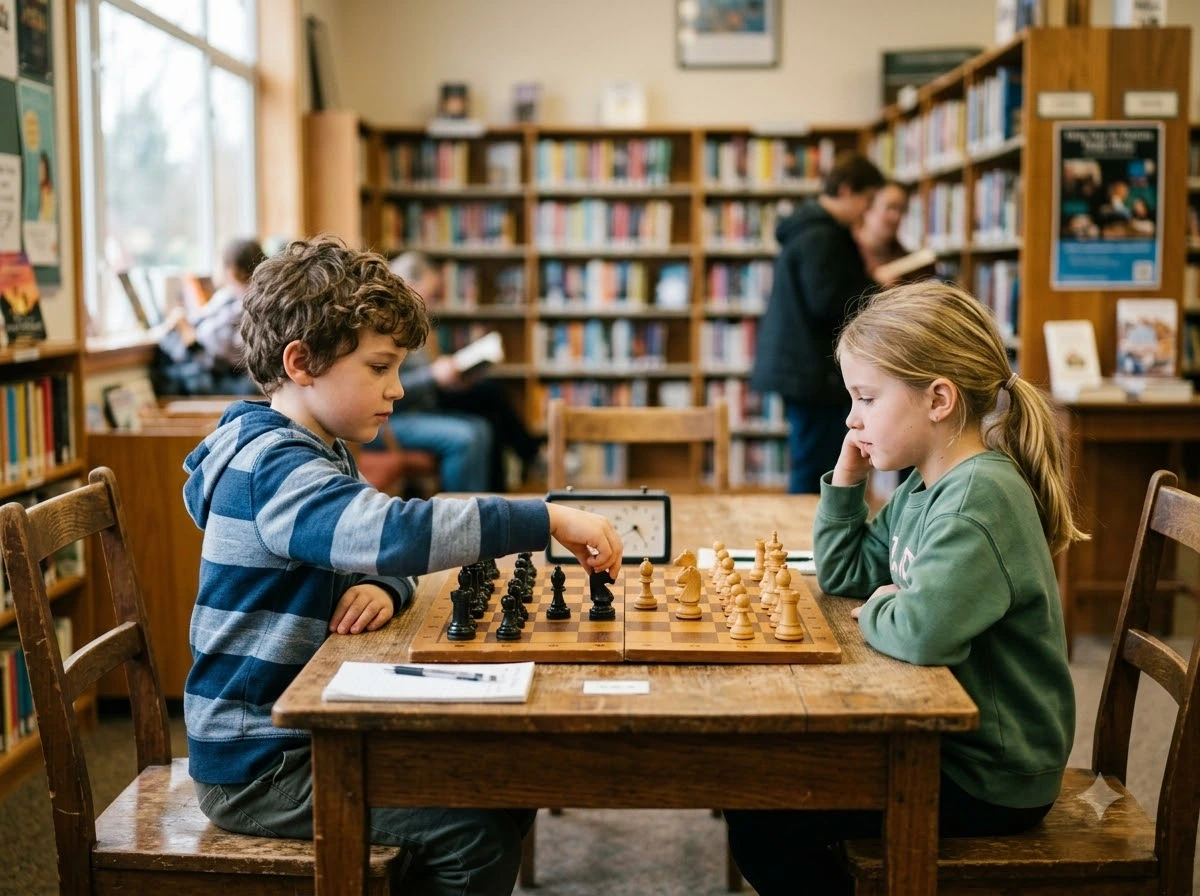
The fix is straightforward rehearsal. A practice game using a real chess clock the same increment and time control the tournament will use lets your child feel the actual pacing before it matters, rather than encountering time pressure for the first time when the stakes are real. Reviewing the tournament format together beforehand, including how pairings and rounds work , removes another layer of the unknown before the day arrives.
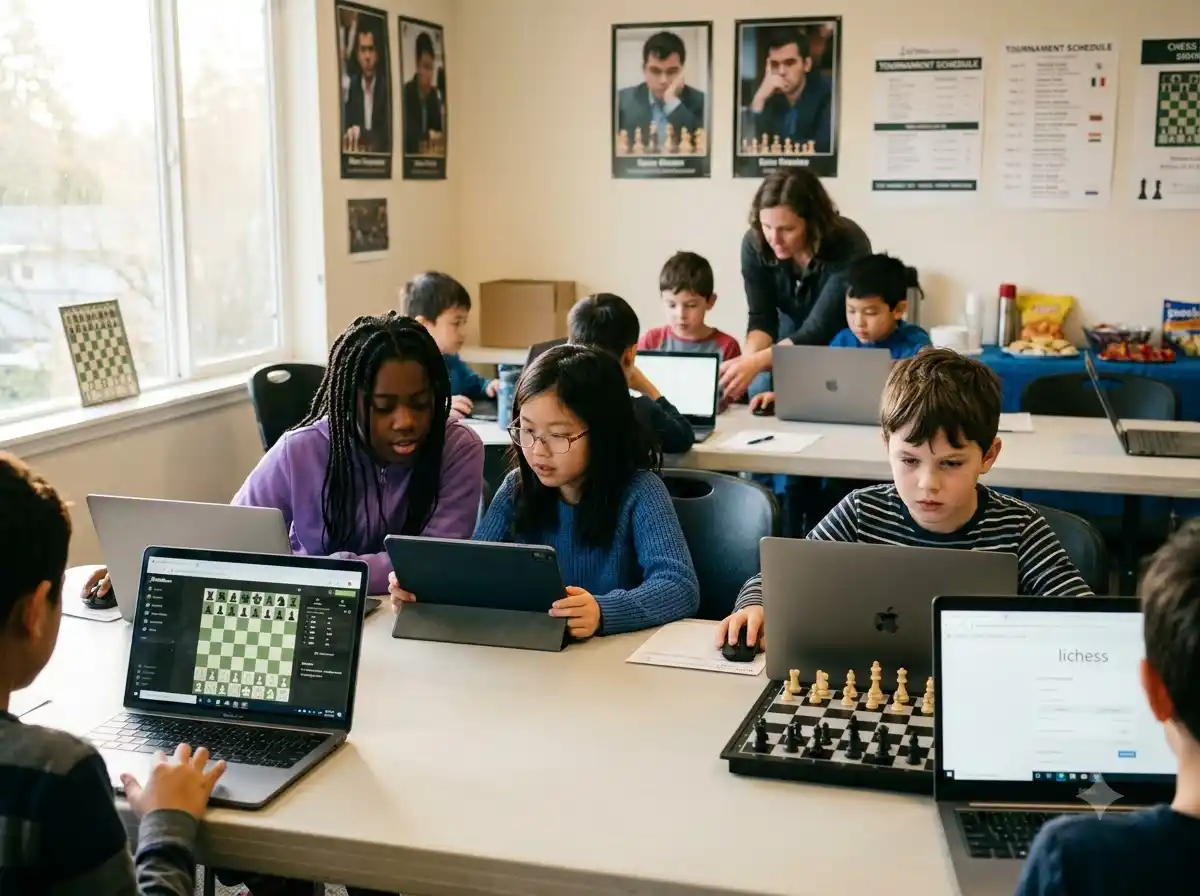
If it’s available to you, playing in a smaller local or unrated online event before a bigger tournament gives your child a lower-stakes dress rehearsal for the real thing. By the time the actual first tournament arrives, almost nothing about the format itself should be new leaving your child free to focus purely on the games in front of them.
3. Give Them a Pre-Round Ritual and a Post-Round Script
A short, repeatable pre-round routine gives a child something reliable to lean on when nerves show up, rather than facing them with no plan at all. One simple, well-tested structure: a few slow, controlled breaths, briefly picturing the first couple of calm opening moves, and reminding themselves of a single focus point for that round not a list, just one thing to hold onto.
What you say between rounds matters just as much as what happens during them. After a tough loss, blame-oriented questions like “why did you blunder there?” add pressure without helping; reflective questions instead, like what they noticed about their own thinking, keep the conversation useful rather than punishing. This is also a good moment to gently revisit what they actually learned from the game, once emotions have settled rather than immediately after the result.
It’s also worth protecting the days just before the tournament rather than cramming right up to it. Many coaches recommend avoiding intense chess study in the final 2 to 3 days beforehand, favoring rest and clearing away other stressors like schoolwork so your child arrives with a clear head rather than a tired one from last-minute preparation.
Free Demo Class for Kids
Conclusion
Mental preparation for a first tournament isn’t about eliminating nerves entirely it’s about giving your child structure, familiarity, and language that turns uncertainty into something manageable. This kind of patience and emotional resilience is exactly what chess builds over time, and a first tournament is simply the first real test of it. Reframe the goal around effort and endurance rather than winning, rehearse the format so nothing on the day feels unfamiliar, and give them a simple ritual before rounds and a kind script after them. Do that, and win or lose, your child walks out of their first tournament wanting to play the next one.
Want your child to walk into their first tournament already feeling ready? Book a free trial session and a coach can help build both the skills and the mindset before the big day or explore our structured courses to see how tournament preparation is built into ongoing lessons. You can also see how our own students have performed at real tournaments once they’ve gone through this kind of preparation.
FAQ
Q: My child seems excited, not anxious, about their first tournament do they still need this preparation?
A: Yes, in a lighter form. Even confident kids benefit from knowing the format and having a simple routine it protects that excitement if the day doesn’t go as expected, rather than only mattering once anxiety shows up.
Q: Should I tell my child who they're playing against beforehand?
A: Generally no focusing on their own process rather than the opponent’s rating or reputation keeps the goal internal and controllable, which is exactly the mindset you’re trying to build.
Q: What if my child wants to quit partway through their first tournament?
A: Stay calm and supportive rather than pushing them to continue against their wishes. A difficult first experience handled gently is far less damaging long-term than one where a child feels forced through visible distress.