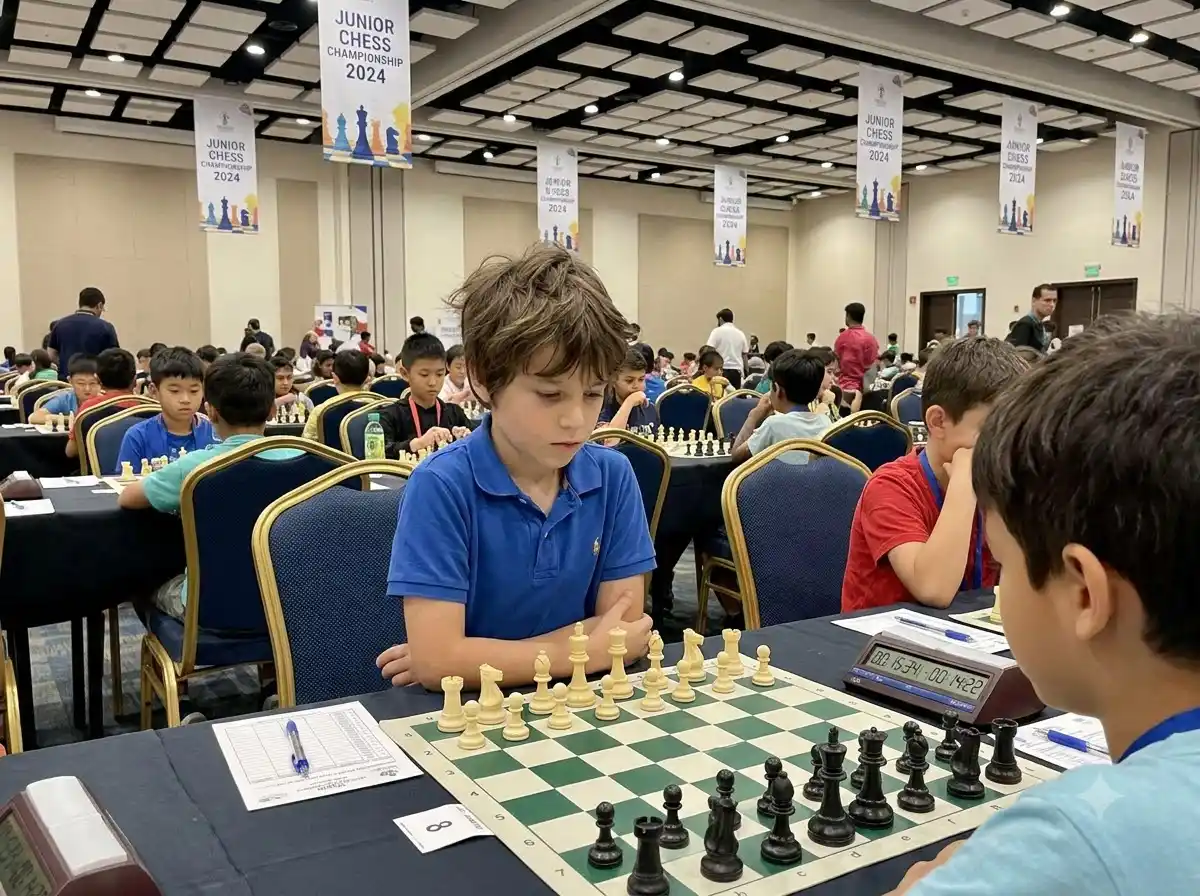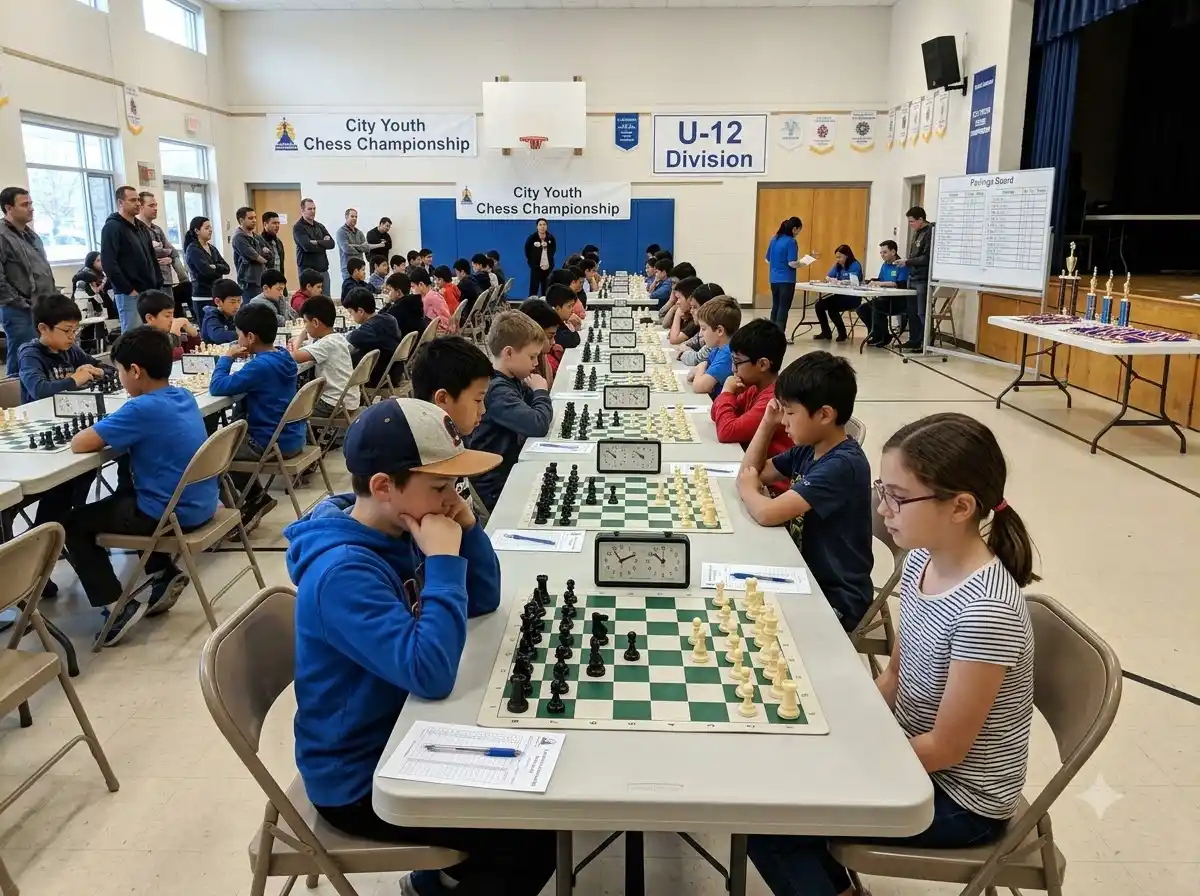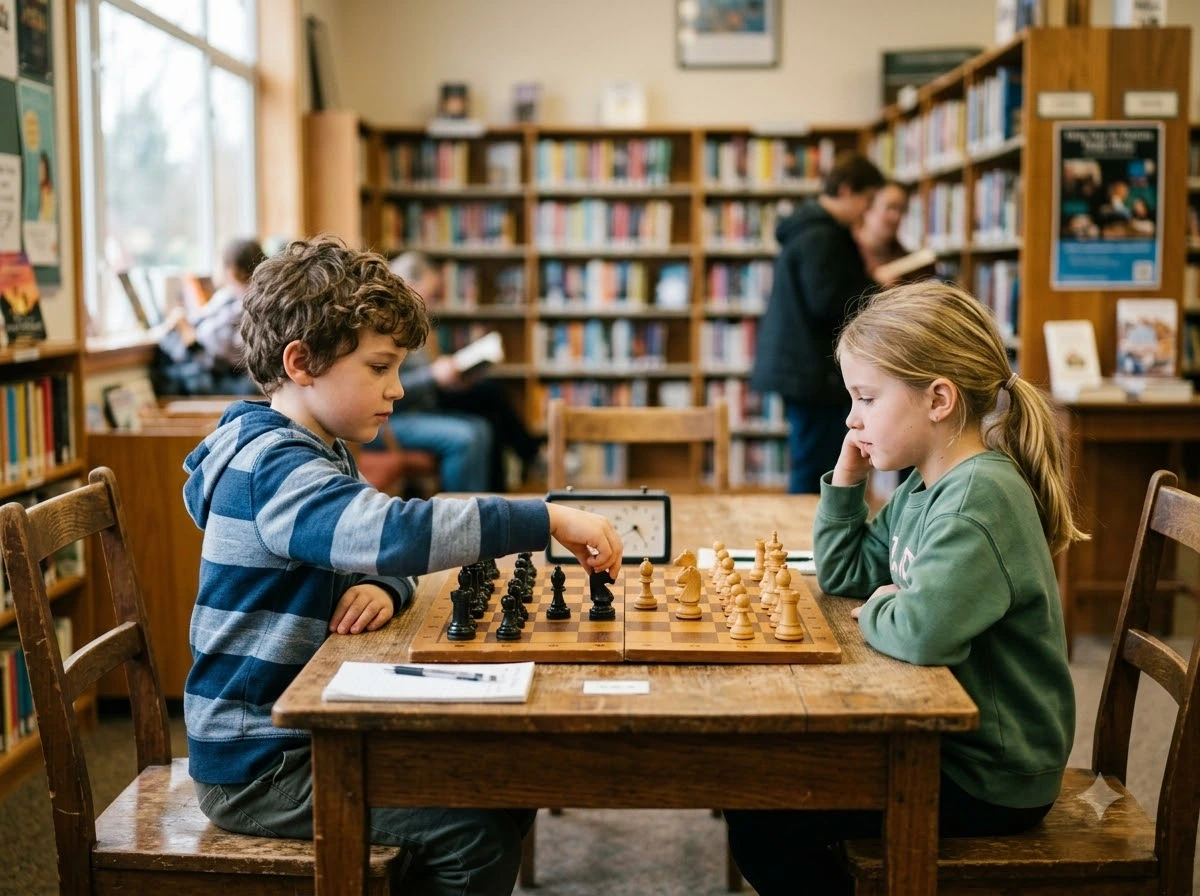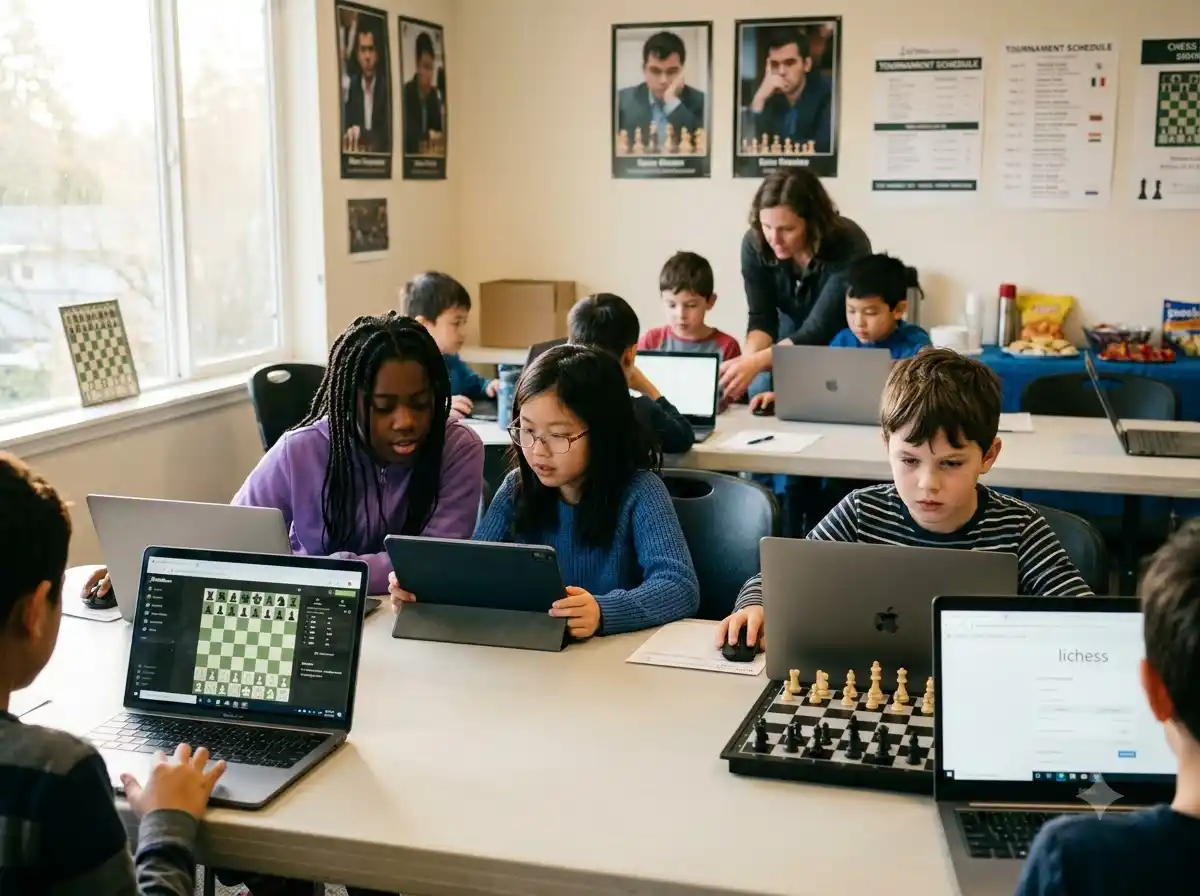
In today’s world filled with screens, fast rewards, and quick entertainment, chess stands out as a great tool for helping children grow.
This old game is more than just fun; it’s a way to sharpen the mind and build important life skills. Parents and teachers are increasingly using chess to help kids develop in many ways, mentally, emotionally, and socially.
While many people see chess as a way to improve school performance, its real strength lies in the life skills it teaches.
Here are the Top 4 Life Skills kids gain from playing chess that help them in life beyond the game.
Introduction
Chess is often called “the gym for the mind.”
When kids play regularly, they don’t just learn to move pieces they build thinking habits that shape their character and future. Unlike activities that give instant rewards, chess needs focus, effort, and the ability to learn from mistakes.
The four key life skills chess helps with thinking critically, being patient and focused, planning strategically, and building resilience are important for school, emotional growth, and personal success.
Let’s look at each one closely.
Critical Thinking and Problem-Solving
One of the biggest benefits kids get from chess is the ability to think clearly and solve problems well.
Every move in chess brings a new challenge: “What’s my opponent doing?
How can I protect this piece? What’s the best attack?” Kids learn to look at situations from different angles, think about all options, and make choices based on logic, not just feelings.
This skill is very useful in real life.
Whether it’s solving math problems, writing a paper, or dealing with friends, kids who play chess approach challenges with a thoughtful, organized mindset. They learn how to break big problems into smaller steps a skill that’s important for school and everyday decisions.
Studies show that regular chess players have better problem-solving skills and can think more flexibly than those who don’t play.
Patience and Concentration
In a world where attention spans are short and instant rewards are common, the ability to focus deeply is rare and valuable.
Chess is a great way to build that skill.
A single game can last 30 minutes or even hours.
Kids must stay still, focus on the board, and avoid distractions. They learn that rushing leads to mistakes, but patience often leads to success.
This improved focus helps in schoolwork, reading, and other tasks.
Parents often notice that kids who play chess pay more attention, finish homework faster, and stick with long projects.
Chess also teaches delayed gratification, the idea that good things come to those who wait and think carefully.
Strategic Planning and Foresight
Chess is the best game for learning to plan.
Successful players don’t just respond to their opponent’s last move they think several moves ahead and create long-term plans.
Kids learn to set goals, like controlling the center, developing pieces, and launching an attack.
They start to understand cause and effect: “If I move this pawn now, what will happen in ten moves?”
This ability to think ahead is very useful in life.
It helps kids plan their studies, manage time for projects, set career goals, and make smart decisions. The strategic thinking they learn through chess helps them handle complex tasks with confidence.
Resilience and Handling Failure
Perhaps the most important life skill chess teaches is resilience.
Every chess player loses games, especially early on.
Chess forces kids to deal with failure regularly. Instead of giving up, they learn to look at their mistakes, understand what went wrong, and come back stronger in the next game.
This “growth mindset”, believing that abilities can improve with effort and practice, is one of the strongest predictors of long-term success.
Kids who play chess learn that losing isn’t the end, it’s a chance to learn and get better.
This resilience helps them navigate academic struggles, social challenges, and future disappointments with greater emotional strength and optimism.
Free Demo Class for Kids
Conclusion
Chess is more than just a game; it’s a great way to teach important life skills like careful thinking, patience, staying focused, planning ahead, and bouncing back from setbacks.
These skills help kids do better in school, at work, and in their relationships.
Parents don’t have to turn their kids into chess champions.
Just giving them a few short chess sessions each week can make a big difference. The lessons they learn, like thinking ahead, staying calm, learning from mistakes, and keeping going even when things get tough, will help them in life.
If you want your child to have a sharper mind, better focus, and stronger emotional strength, chess is one of the best things you can do.
Start today, chess skills will stay with them for a long time.
FAQ
Kids as young as 4 or 5 can begin with the basics.
Formal lessons usually work well starting at age 6 or 7, but even playing casually can be helpful for younger children.
Playing 2 to 4 times a week for 30 to 60 minutes each session is best for seeing improvements in both chess and life skills.
Yes. Many studies and parent reports show chess can improve focus, patience, and self-control in kids with ADHD.
No. Chess helps children of all academic abilities. It especially helps average or struggling people build confidence and improve logical thinking.
Online platforms are great for practice, but in-person coaching or playing in a club offers better social and emotional development.
Keep it fun. Play together, celebrate effort, let kids decide when and how often they want to play, and focus on the experience, not just winning.