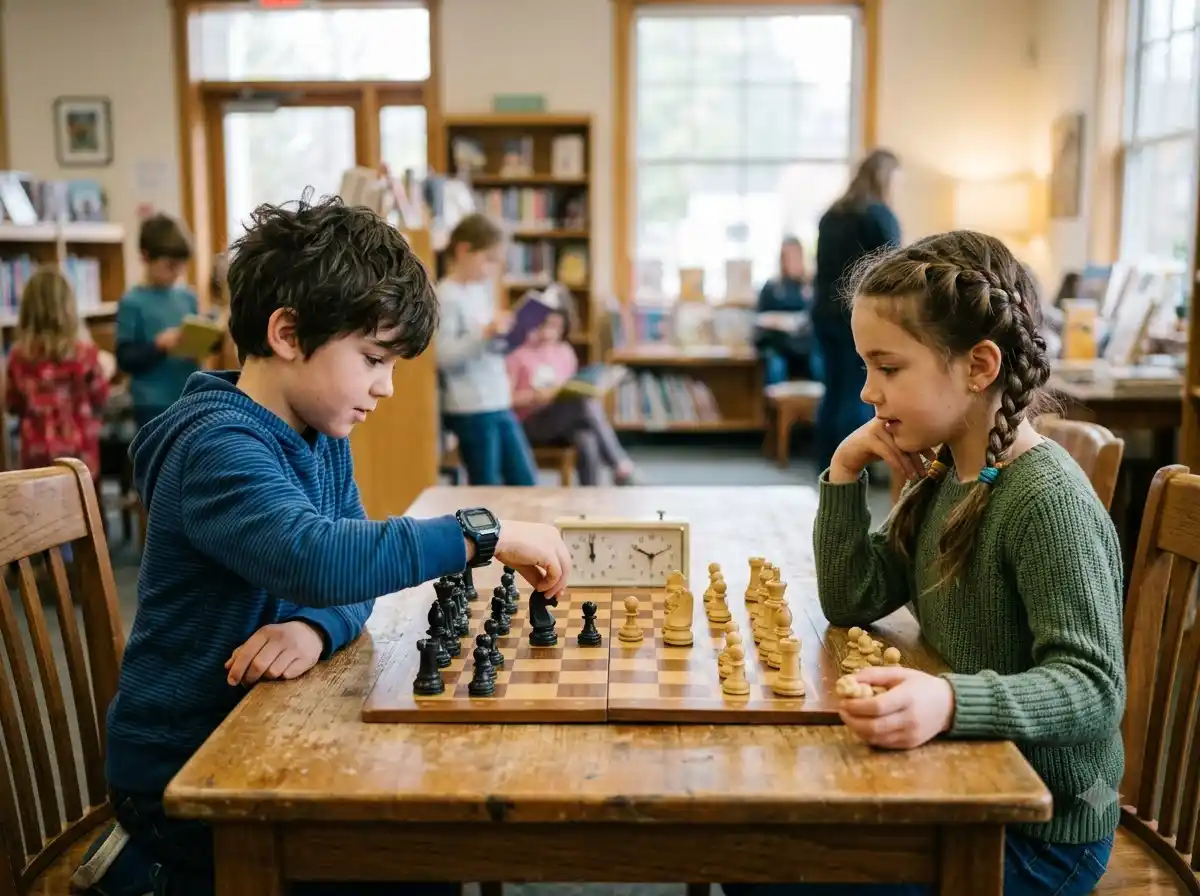
In an era dominated by smartphones, video games, and endless digital distractions, finding an activity that genuinely enriches a child’s developing mind can feel like an impossible task.
Enter chess.
Far more than just an ancient board game, chess is a powerful educational tool that shapes the way children think, learn, and navigate the world. Whether your child is a budding intellectual or needs a little help focusing in school, the benefits of the 64 squares are undeniable.
Here are the top 10 reasons kids should learn chess and why it is one of the best investments you can make in their future.
Cognitive and Academic Benefits
1. Supercharges Memory and Retention
To play chess, a child must remember how the pieces move, recall opening strategies, and recognize patterns from past games. This constant mental exercise strengthens the hippocampus, significantly improving both short-term and long-term memory skills that directly translate to better studying and exam performance.
2. Dramatically Improves Concentration
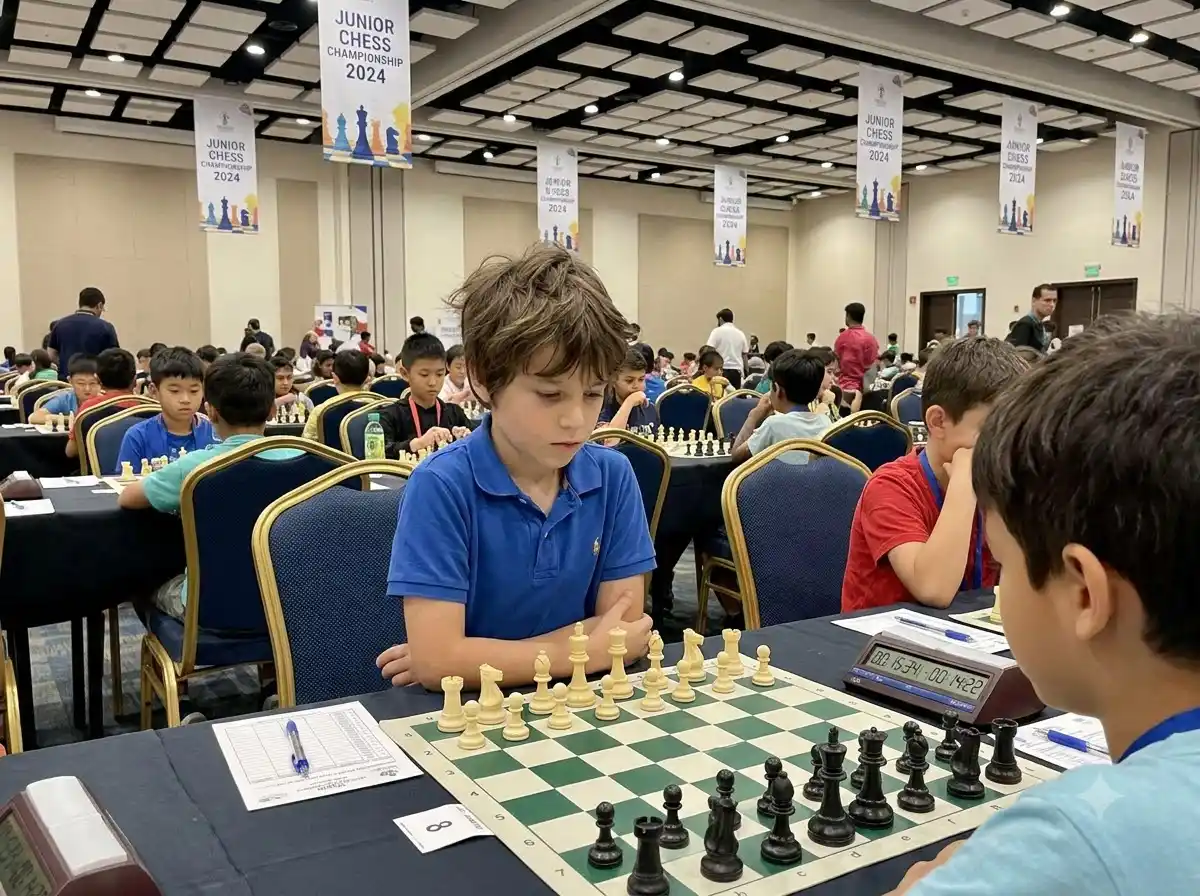
A single lapse in focus during a chess game can lead to a quick defeat. Chess trains children to sit still, focus deeply, and block out external distractions for extended periods. This newly developed attention span is a massive advantage in modern classrooms.
3. Elevates Mathematical and Reading Skills
It might seem surprising, but chess dramatically improves reading comprehension. The cognitive processes used in chess such as decoding patterns, spatial reasoning, and logical deduction are the exact same processes required for solving complex math equations and understanding difficult texts.
4. Fosters Deep Critical Thinking
In chess, there is no luck or chance. Every outcome is the result of a specific decision. Kids learn to quickly evaluate complex situations, weigh multiple options, and apply logic to find the best possible solution.
5. Exercises Both Sides of the Brain
Chess isn’t just about left-brain logic. It also engages the right hemisphere of the brain, which is responsible for creativity and visual pattern recognition. This full-brain workout leads to more balanced, creative problem-solving skills in everyday life.
Life Skills and Emotional Growth
6. Teaches the Power of Foresight and Planning
“If I move my knight here, what will my opponent do next?” Chess forces children to think two, three, or four steps ahead. This develops the brain’s prefrontal cortex, teaching kids how to plan ahead and anticipate the consequences of their actions before they take them.
7. Builds Unshakable Patience
Great chess moves take time to calculate. In an age of instant gratification, chess teaches children the forgotten art of patience. They learn that taking their time to think a problem through yields far better results than rushing.
8. Develops Sportsmanship and Resilience
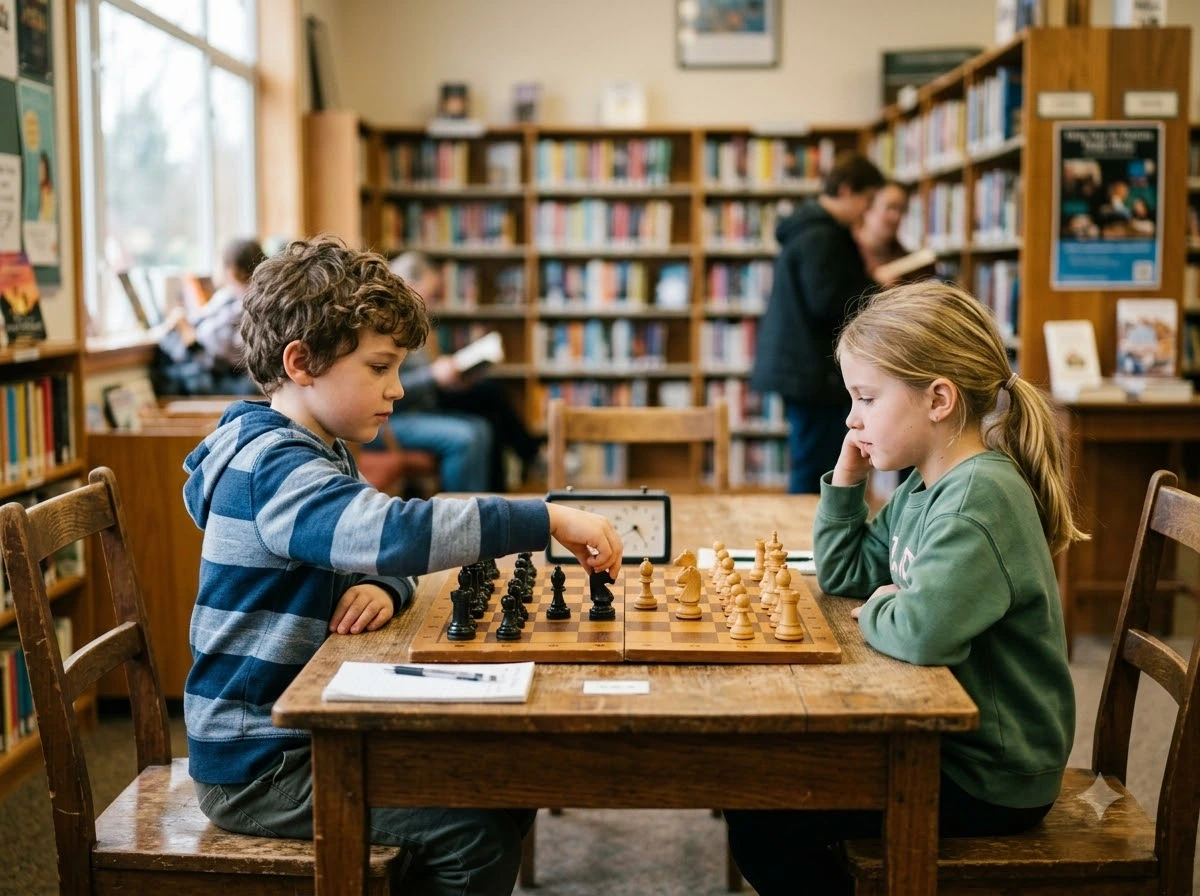
In chess, you will lose. Sometimes, you will lose a lot. But chess teaches children how to lose gracefully, shake hands with their opponent, and analyze their mistakes. It builds emotional resilience, proving that failure is simply a stepping stone to mastery.
9. Boosts Self-Confidence
There is nothing quite like the feeling of executing a brilliant checkmate or defending against a tough attack. As children improve their chess skills, they build a profound sense of self-confidence that spills over into their social and academic lives.
10. Provides Meaningful Screen-Free Time
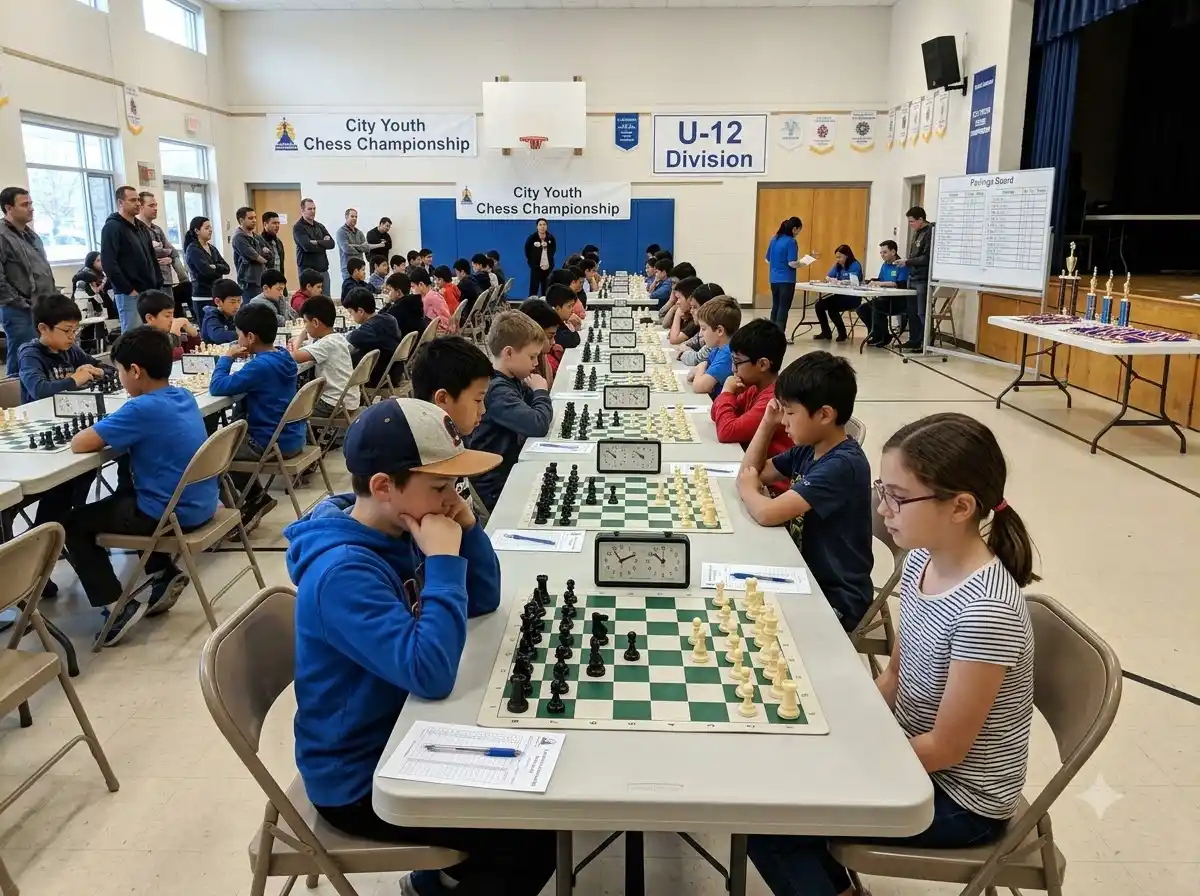
Perhaps the most immediate benefit for parents: chess is a highly engaging, offline activity. It pulls kids away from screens and encourages face-to-face interaction, healthy competition, and deep thought.
How to Maximize These Benefits at Venture Chess Academy
While playing chess casually at home is great, reaping the maximum cognitive benefits requires structured learning and expert FIDE-rated guidance.
At Venture Chess Academy, we have perfected the art of teaching young minds. We know that children learn best when they are engaged and supported, which is why we strictly cap our classes at a maximum of 5 students per batch. This ensures your child receives the personalized, undivided attention they deserve.
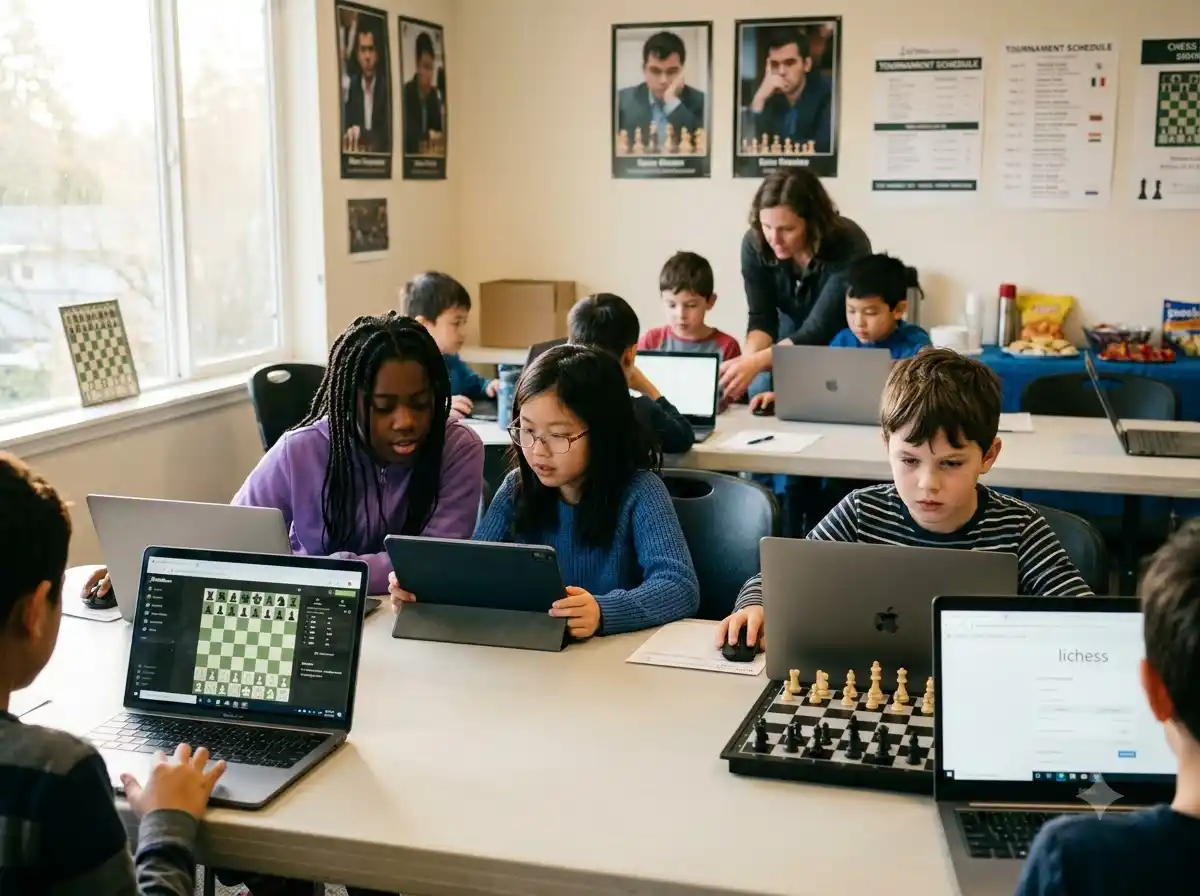
Whether you are looking for structured offline training or prefer our interactive online chess classes, our proven curriculum is designed to take students from absolute beginners to competing in FIDE-rated tournaments and international events.
Give your child the ultimate mental advantage.
Book a free 60-minute trial class with our FIDE-rated coaches to discover how Venture Chess Academy can transform your child’s focus and cognitive skills.
FAQ:
Children can start learning the basics of chess as early as 4 to 5 years old. Starting early helps rapidly develop their memory, spatial reasoning, and concentration skills before they enter higher academic grades.
Yes! Multiple studies have shown that kids who play chess regularly score significantly higher in reading comprehension and math tests, as the game builds the exact cognitive pathways used for logical problem-solving.