“Tournaments don’t build a player by themselves the rhythm between playing and recovering does.”
Parents watch their child win a tournament and want to sign up for the next one immediately and watch them lose one and wonder if tournaments are even the right idea. Both instincts miss the actual answer: there’s a research-backed frequency that builds real improvement, and it has as much to do with recovery as it does with competing. Here’s what that rhythm actually looks like, broken down by readiness, pacing, and long-term structure.
1. How Often Is “Often Enough”?
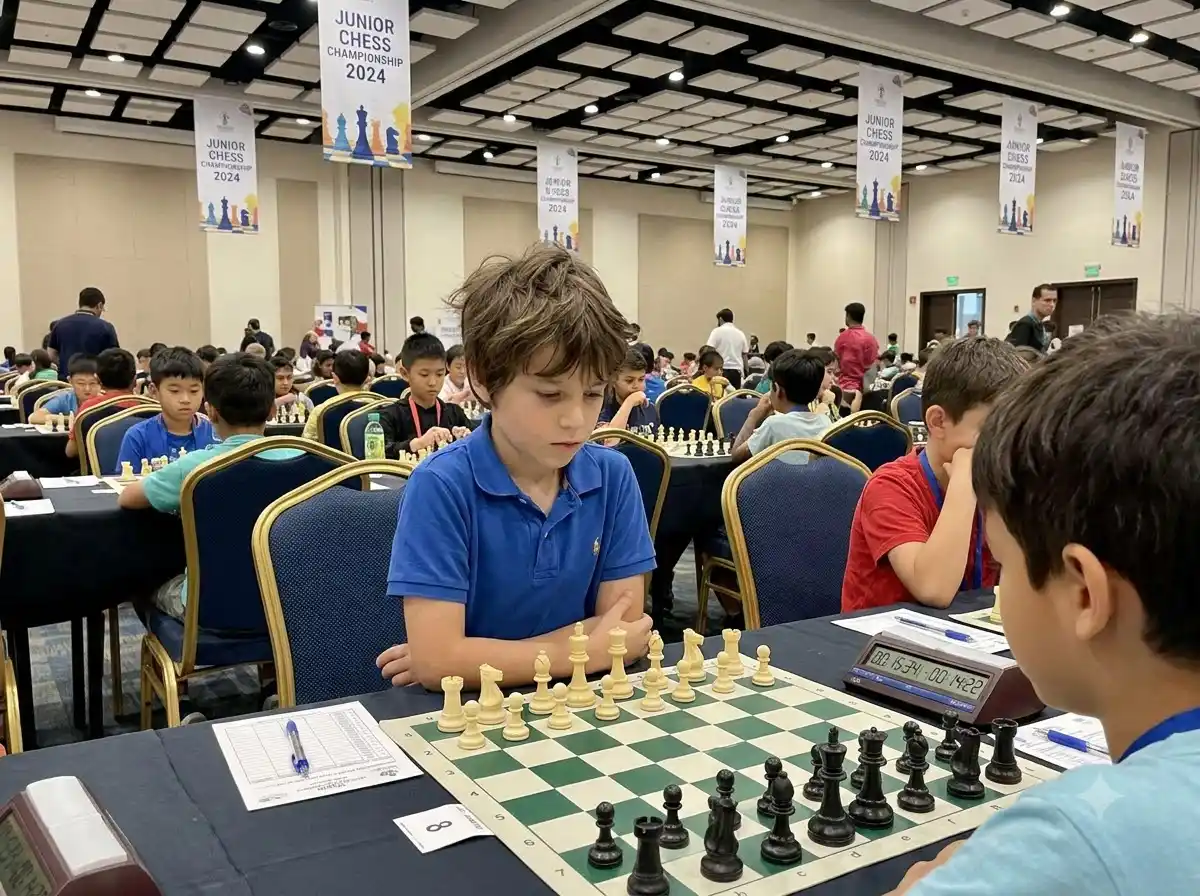
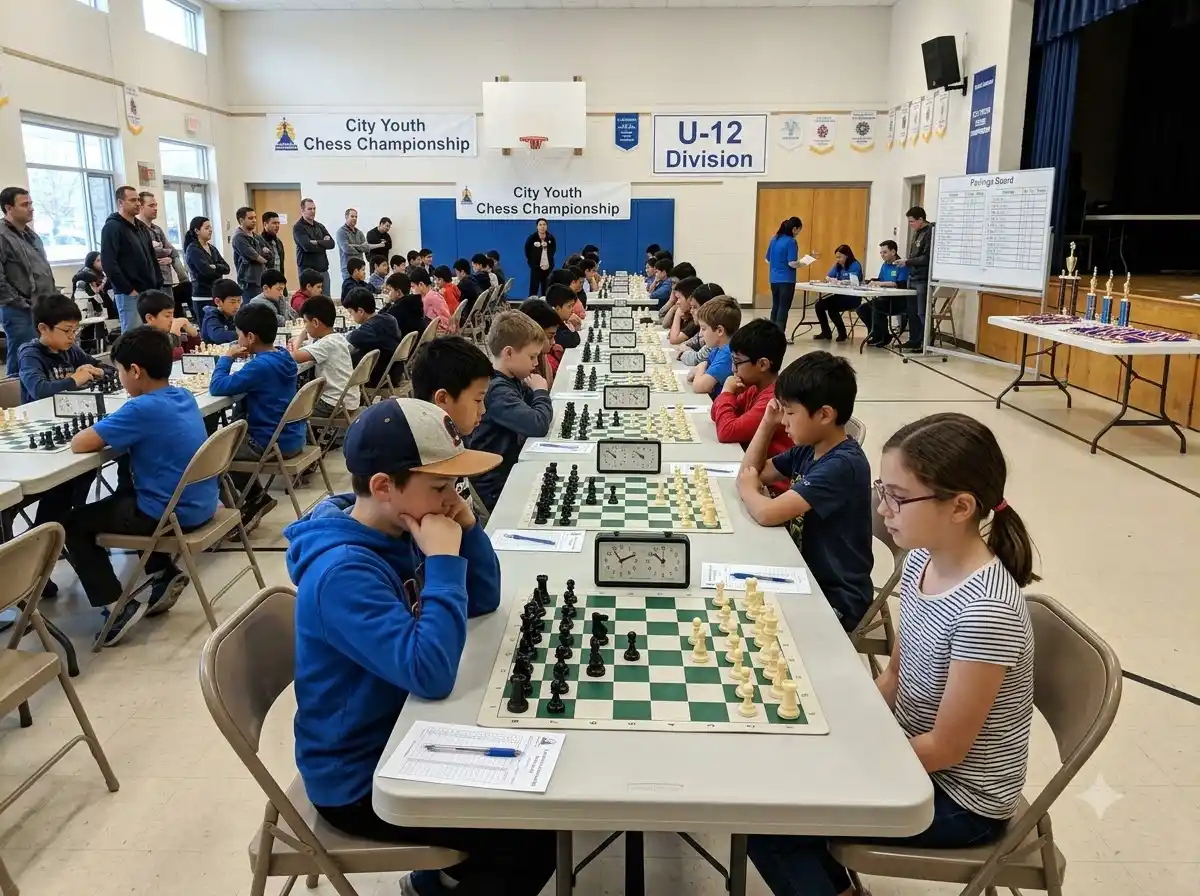
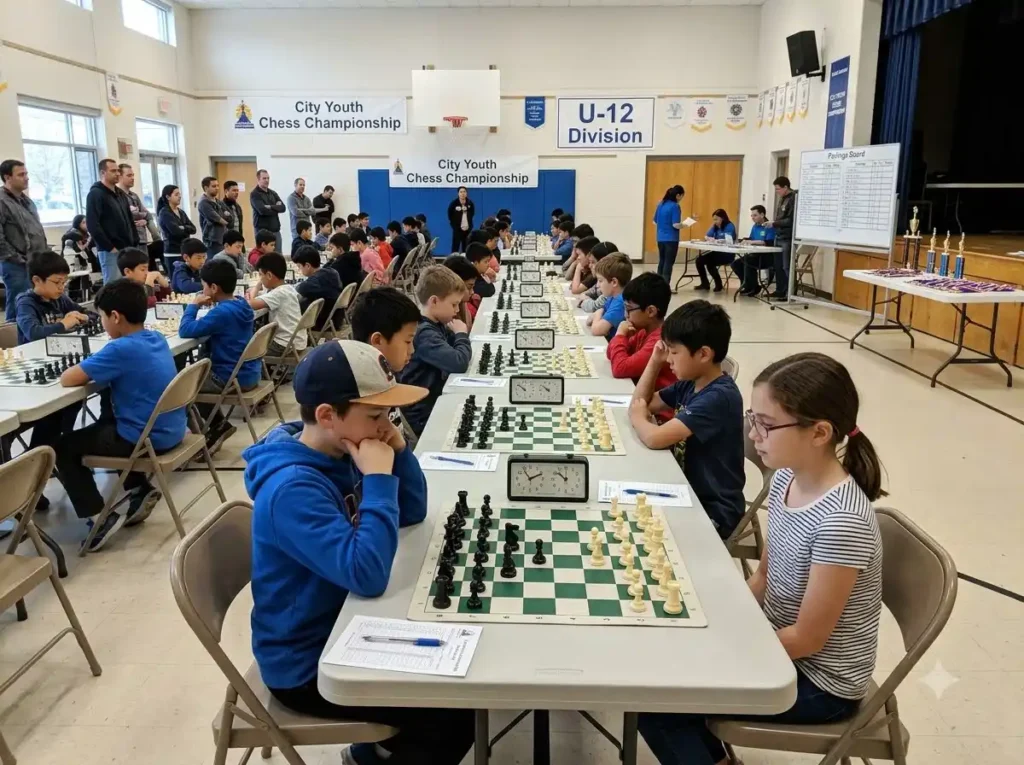
The most consistent guidance across coaching sources lands on roughly one tournament a month as a strong baseline for a child who’s ready to compete. One event a month beats one big event every six months, because frequent, lower-stakes exposure builds comfort with tournament conditions the clock, the silence, the pressure of an opponent across the board faster than occasional high-pressure events ever could.
That frequency should follow readiness, not force it. Children who keep up 3 to 4 structured practice sessions a week typically become tournament-ready within 6 to 12 months of starting lessons pushing a child into monthly tournaments before that foundation is in place usually produces more frustration than improvement.
For a child just starting out, unrated tournaments are worth prioritizing first. They carry all the real experience of tournament format sitting at a board, managing a clock, playing a stranger without the added weight of rating points on the line, making them a genuinely gentler on-ramp before rated events enter the picture.
2. Why Frequency Needs a Recovery Rhythm
Tournament frequency isn’t just a scheduling question it’s a motivation question, and the research here is clear. When a child’s reason for playing shifts from genuine enjoyment to external pressure a parent’s expectations, a coach’s targets, a rating milestone burnout risk over the following two years rises sharply, often ending in the child quitting the game entirely rather than just slowing down.
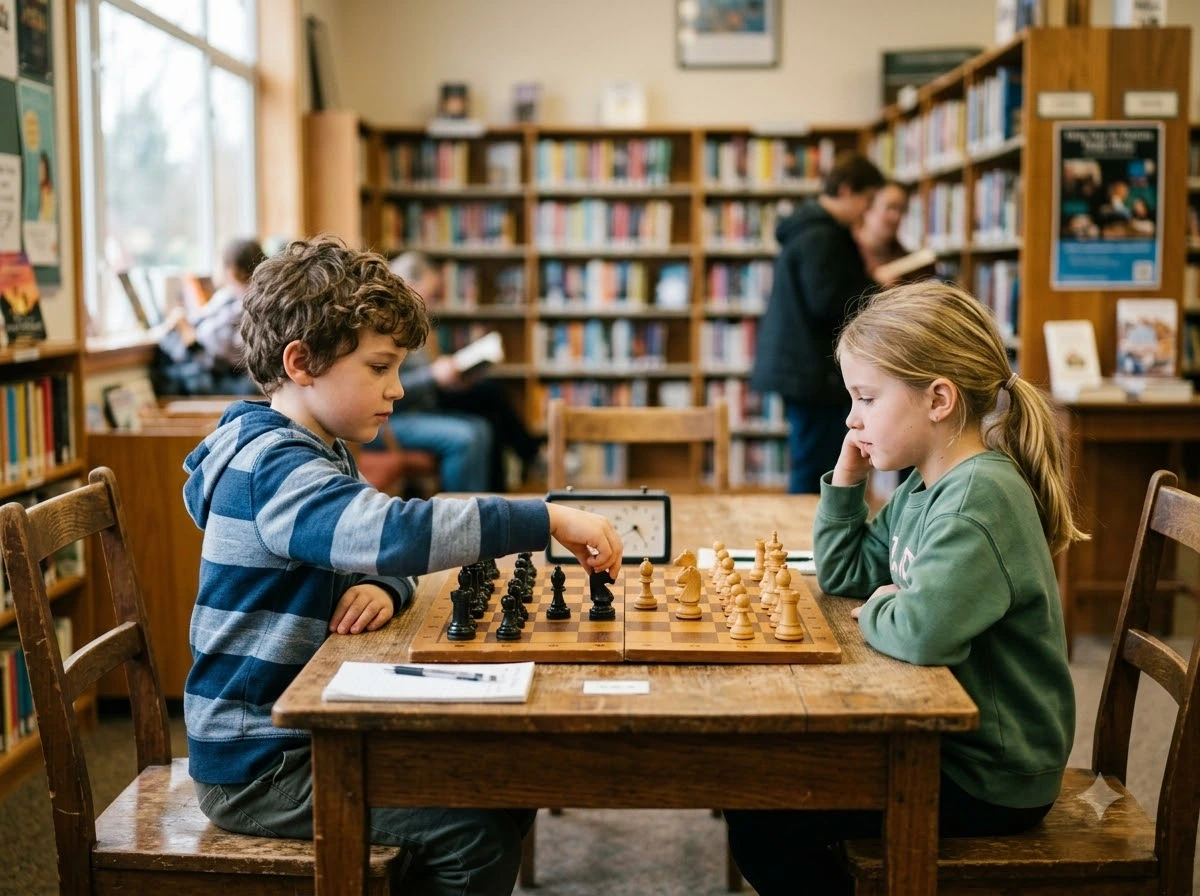
This is why how a child recovers from a loss matters as much as how often they compete. Even elite young players use short, defined routines after a tough loss a few minutes to sit with the disappointment before resetting rather than either burying the feeling or replaying it endlessly. A coach’s job in that moment isn’t to immediately debrief the game; it’s to give the child space and let them set the pace of re-engagement.
The practical takeaway is that no fixed number of tournaments per month is “safe” if the emotional rhythm around wins and losses isn’t being managed. A child playing monthly tournaments with healthy recovery habits will improve faster and stay in the game longer than one playing the same frequency while quietly dreading every result.
3. Building a Sustainable Tournament Calendar
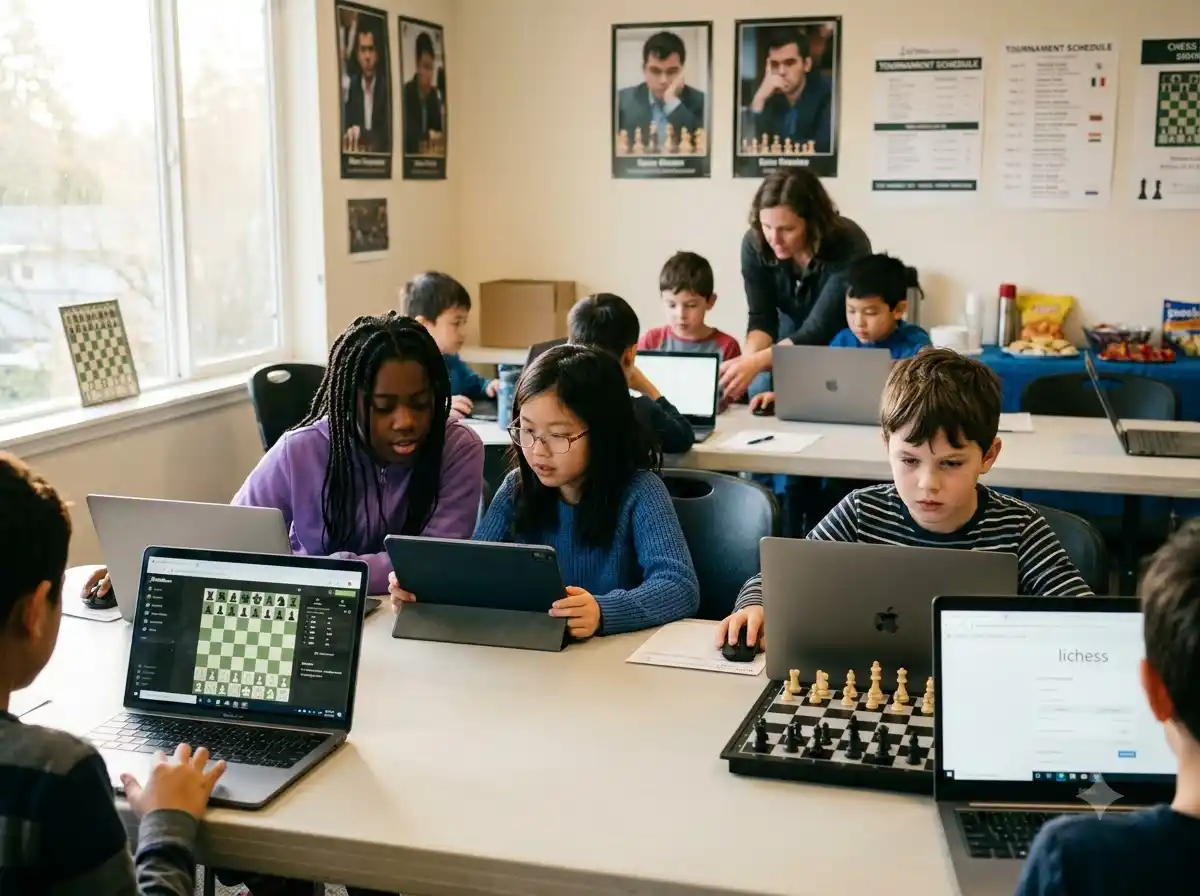
The strongest academies treat study and competition as reinforcing each other rather than competing for the same hours. A pre-tournament week might focus on time management and opening readiness, while the week after a tournament becomes a review session students bring their scoresheets, and a coach analyzes specific instructive moments from the games just played, turning every tournament into direct material for the next study cycle.
A useful analogy comes from junior tennis, where most competitive juniors play somewhere between 12 and 24 events a year roughly one to two a month organized into seasonal blocks rather than spread evenly and mindlessly across the calendar. Competitive phases alternate with dedicated training blocks and periods of active recovery, a rhythm that likely applies just as well to a young chess player’s year as it does to a young athlete’s.
None of this replaces individual judgment, though. A child balancing school and other commitments may need a lighter tournament calendar than one with more flexible time, and a highly motivated child with strong recovery habits might comfortably handle more frequent events than a more sensitive one. The schedule should flex around the child in front of you, not a generic number.
3. Building a Sustainable Tournament Calendar
The strongest academies treat study and competition as reinforcing each other rather than competing for the same hours. A pre-tournament week might focus on time management and opening readiness, while the week after a tournament becomes a review session students bring their scoresheets, and a coach analyzes specific instructive moments from the games just played, turning every tournament into direct material for the next study cycle.
A useful analogy comes from junior tennis, where most competitive juniors play somewhere between 12 and 24 events a year roughly one to two a month organized into seasonal blocks rather than spread evenly and mindlessly across the calendar. Competitive phases alternate with dedicated training blocks and periods of active recovery, a rhythm that likely applies just as well to a young chess player’s year as it does to a young athlete’s.
None of this replaces individual judgment, though. A child balancing school and other commitments may need a lighter tournament calendar than one with more flexible time, and a highly motivated child with strong recovery habits might comfortably handle more frequent events than a more sensitive one. The schedule should flex around the child in front of you, not a generic number.
Free Demo Class for Kids
Conclusion
There’s no single tournament frequency that works for every child, but the pattern across the research holds: roughly one tournament a month is a strong, sustainable baseline once a child has the practice foundation to support it, paired with genuine recovery time and a study rhythm that turns every event into material for the next one. Watch your child’s enthusiasm and recovery as closely as their rating that combination will tell you more than any fixed schedule.
Not sure what tournament pace makes sense for your child? Book a free trial session and a coach can help assess readiness and build a calendar that fits or explore our structured courses to see how tournament preparation fits into a full learning path. You can also see what consistent, well-paced competition has done for our own students’ tournament results
FAQ
Q: Is one tournament a month too much for a young beginner?
A: For a brand-new player, starting with unrated events and a slower cadence perhaps one every six to eight weeks is reasonable until they’ve built comfort with the format and a stronger practice foundation.
Q: My child wants to play in tournaments every weekend should I let them?
A: Enthusiasm is a good sign, but watch closely for the burnout indicators above. If frequent play starts producing dread or rushed, careless games instead of enjoyment, it’s worth pulling back even if your child resists.
Q: How do I know if my child is ready for rated tournaments specifically?
A: Consistent practice over several months, comfort with tournament format from unrated events, and stable engagement through both wins and losses are better readiness signals than age or a specific number of games played.