Benefits of Playing Chess

Blog
chess benefits

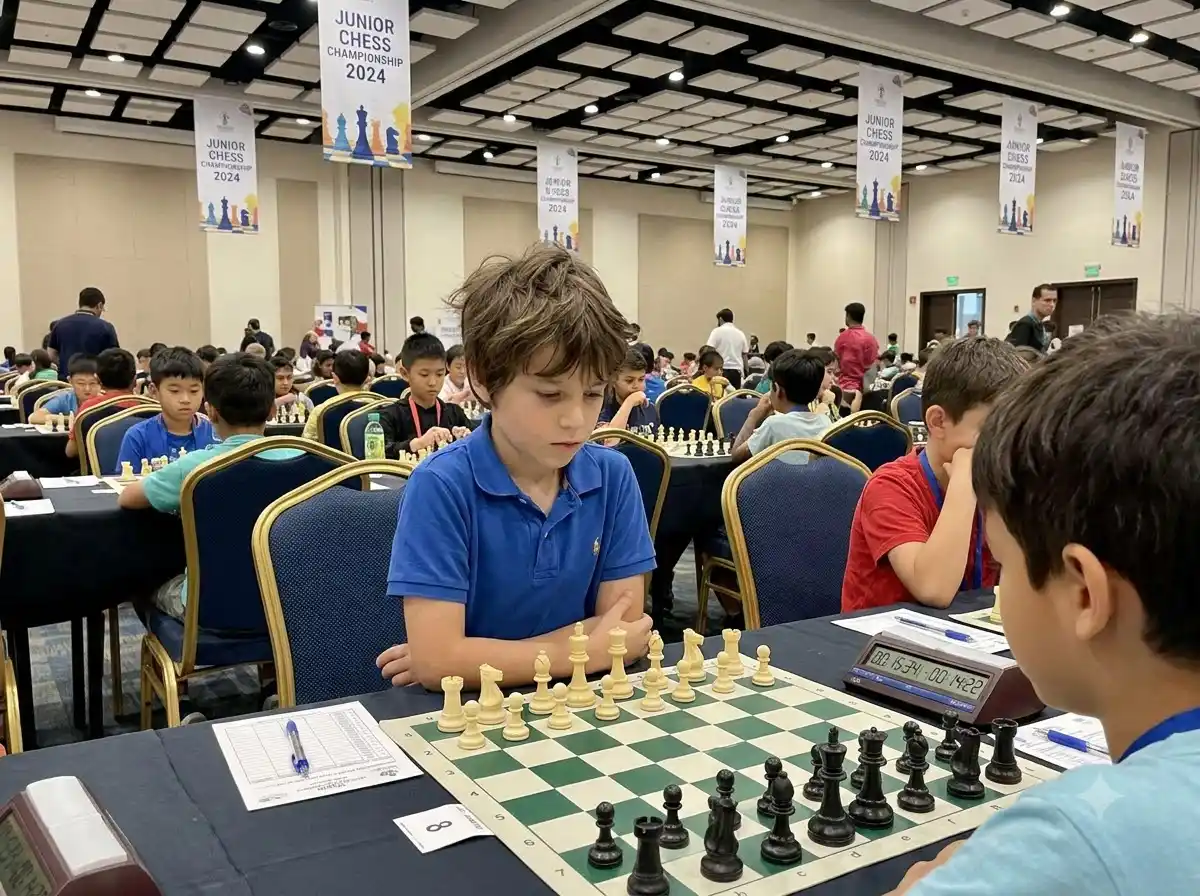
Chess has been celebrated for centuries as one of the greatest strategy games of all time, often described as “gymnastics for the mind.” For parents considering chess as an extracurricular activity for their children, the good news is that the benefits of chess go far beyond the game itself. From sharper problem-solving abilities to enhanced focus, chess has a deep impact on overall growth and learning. In this blog, we will explore the top 10 benefits of chess for kids, why it’s considered a brain game, and how it supports child development.

Why Kids Should Play Chess

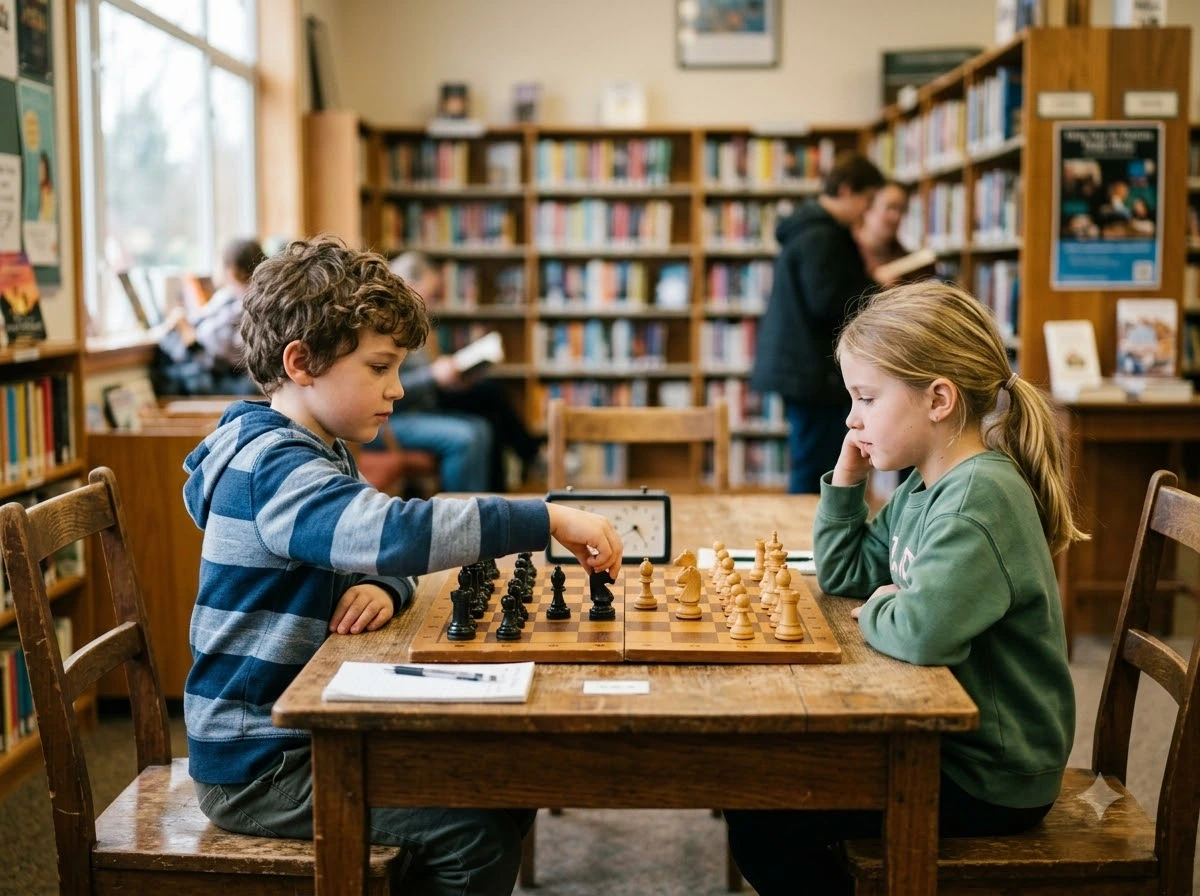
Chess is not just another board game; it is a structured brain workout. When kids play chess, they learn how to think ahead, analyze moves, and make logical decisions. Unlike fast-paced video games, chess encourages patience and discipline. Whether it’s chess puzzles for kids or online chess strategy games, children engage their brains in ways that improve academic performance and everyday decision-making.

Chess and Brain Development in Kids

One of the most popular questions parents ask is: “Does chess make you smarter?” Research shows that the game strengthens both sides of the brain. It enhances memory, calculation skills, and creativity. Chess requires remembering rules, planning various sequences, and calculating outcomes skills crucial for mathematics and science. In fact, many schools now recommend chess to promote chess for child development because it blends competition with critical thinking.

Chess has also been called chess maths because it teaches concepts like patterns, probability, and logical reasoning, all of which are essential for academic excellence.

Playing Chess

Top 10 Benefits of Chess for Kids

  1. Improves memory power by recalling moves and strategies.
  2. Enhances concentration and focus during long games.
  3. Builds patience and teaches the value of thinking through decisions.
  4. Encourages problem-solving abilities and creativity.
  5. Strengthens mathematical and logical reasoning (chess maths).
  6. Instills sportsmanship and discipline.
  7. Helps children plan long-term goals and strategies.
  8. Enhances reading and comprehension through analysis.
  9. Supports emotional development by handling wins and losses.
  10. Develops overall academic performance through smarter thinking.


    These are just the
    top 10 benefits of chess for kids, but in reality, experts count almost 20 benefits of playing chess that shape personality, learning, and confidence.

Advantages of Chess for Students

For school students, the advantages of playing chess extend to the classroom and beyond. Chess strengthens critical thinking, which helps in solving complex subjects like mathematics or science. Students who practice chess often show better results in exams due to sharper memory and improved problem-solving skills. It is rightly called a science of decision making, often referred to as chess science.

Free Demo Class for Kids

Let your child explore 60-minute free interactive session with FIDE Rated coaches.

Enroll Here

Chess Improves Kids’ Skills

  • Cognitive skills: memory, pattern recognition, logical reasoning.
  • Social skills: communication, sportsmanship, teamwork in group practice.
  • Emotional skills: resilience, patience, staying calm under pressure.

Even fun activities like chess puzzles for kids develop persistence and creativity. Many learning centers recommend chess classes for 5 year olds because that’s the perfect age to start building these skills.

Chess Strategy for Beginners

New players may feel intimidated by the game, but there are plenty of tips for chess beginners. Start by learning what are all the names of the chess pieces—king, queen, rook, bishop, knight, and pawn. Understanding how each moves helps kids picture strategies clearly.

Some useful tips for chess include:

  • Control the center of the board early.
  • Develop pieces before moving the same one multiple times.
  • Keep your king safe with an early castling.
  • Practice common tactics such as forks and pins.
  • Solve the best chess puzzles to improve visualization.

Fun and Competitive Side of Chess

For kids looking for excitement, exploring how to win at chess in 5 moves through specific openings can be thrilling. As children advance, they also get curious about the best chess defences and how to improve chess beyond basic tactics. With consistent practice, any child can work towards how to become a good chess player and eventually how to master chess.

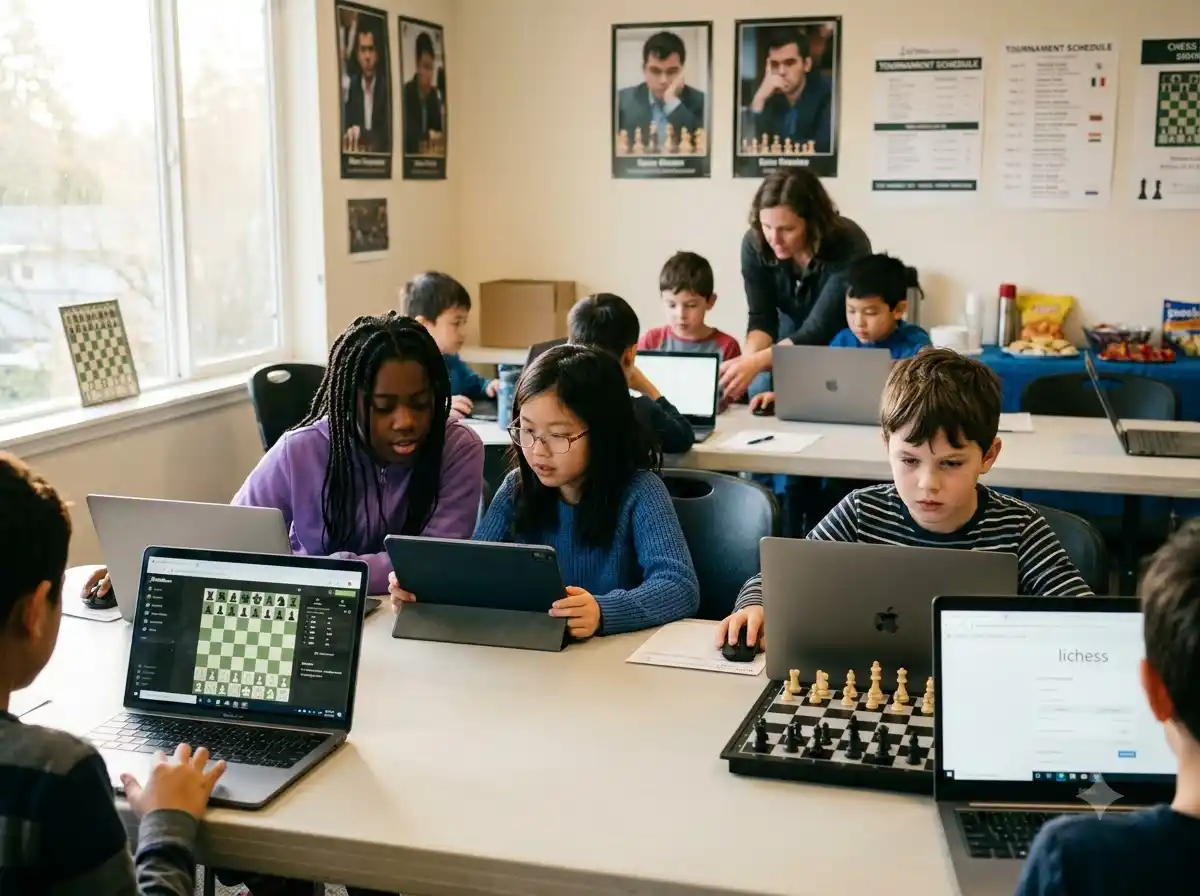
The fun doesn’t stop with traditional boards. Many enjoy playing with magnet chess sets or exploring electric chess boards that track moves digitally. These modern formats make learning interactive and keep kids motivated.

Chess Puzzles and Learning Tools

Solving chess puzzles is one of the fastest ways to build tactical awareness. Schools and academies often encourage chess puzzles for kids since they mimic real-game situations where players must find the winning sequence. Practicing puzzles daily is one of the easiest answers to how to improve chess.

Chessmate: More Than a Game

Chess is not just about winning it’s about building a lifelong friendship between the player and the board. Known as “chessmate,” it turns children into independent thinkers who are confident in applying strategies in academics and life.

How Long Does It Take to Learn Chess?

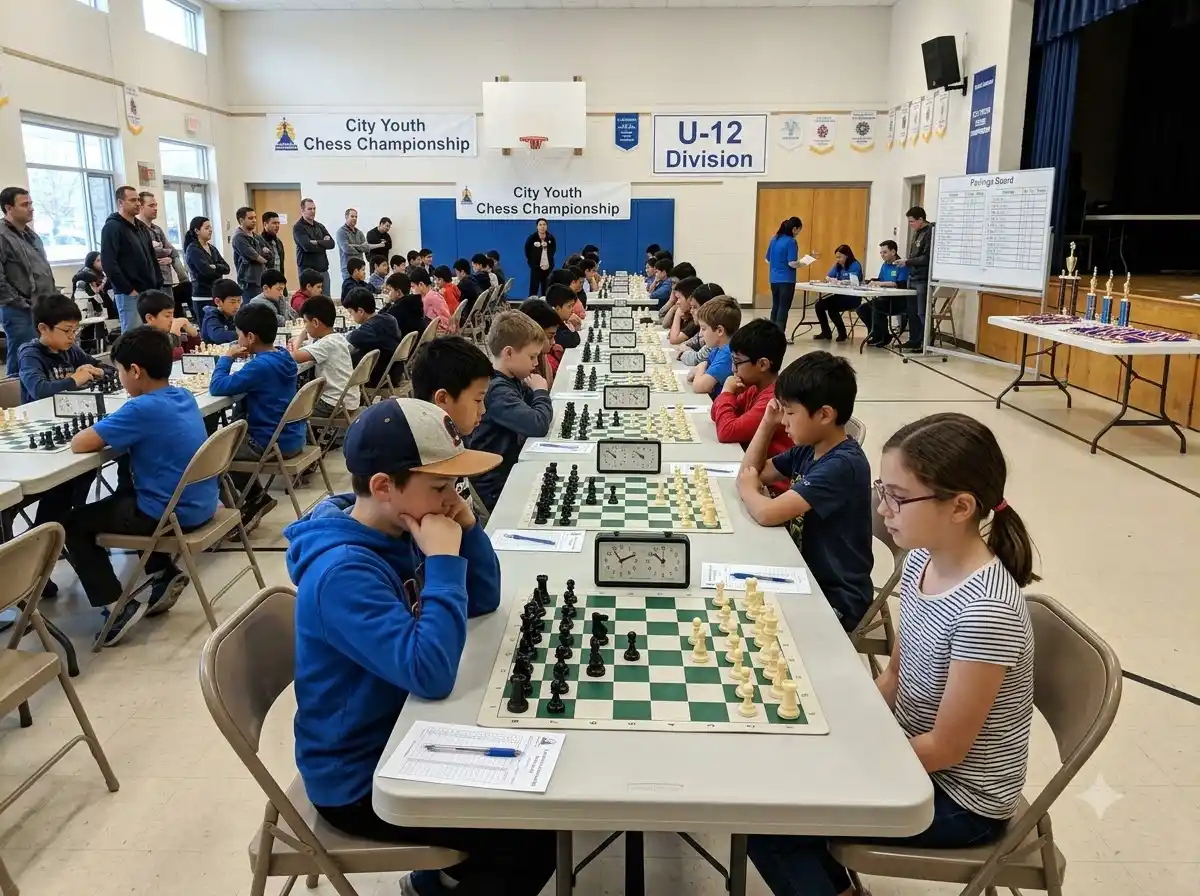
Parents often wonder, how long does it take to learn chess? The truth is, learning the rules can take just a few days, but mastering strategies can take years. With proper guidance, even young children can compete in local tournaments within a year of practice.

Free Demo Class for Kids

Let your child explore 60-minute free interactive session with FIDE Rated coaches.

Enroll Here

Conclusion

Chess is both a science and an art a balance of calculation and creativity. From improving brainpower to teaching life lessons, the advantages of playing chess make it one of the best activities for children. Whether through chess strategy for beginners, solving puzzles, or taking guidance in chess classes for 5 year olds, kids gain invaluable skills they carry into academics and beyond. Indeed, the many benefits of chess prove that it is much more than a game—it’s a foundation for lifelong learning.

FAQs on Chess and Its Benefits

Q1. Does chess make you smarter?

 Yes. Chess strengthens memory, problem-solving, and logical reasoning, which contribute to smarter thinking. While it doesn’t guarantee high IQ, it improves skills linked with intelligence.

Q2. What is the best age for kids to start chess?

 Children as young as 5 years can join chess classes for 5 year olds. At this age, they develop patience and curiosity, making learning fun and natural.

Q3. What are all the names of the chess pieces?

 The game has six types of pieces: King, Queen, Rook, Bishop, Knight, and Pawn.

Q4. How to become a good chess player?

Practice regularly, learn openings and endgames, solve the best chess puzzles, and study games by advanced players. Following tips for chess beginners can help steadily improve.

Q5. What are the advantages of playing chess for students?

It improves focus, logical thinking, math ability, and patience. Chess also enhances decision-making, making it one of the best extracurricular activities for students.

Q6. How long does it take to learn chess?

 Learning the moves takes a few days, but mastering strategies can take months to years, depending on practice.

Q7. Can you win at chess in 5 moves?

 Yes, certain opening traps allow players to win very quickly, but they only work if the opponent makes mistakes.

Q8. What are the best chess defenses to learn?

 Beginners can start with the Caro-Kann Defence, Sicilian Defence, or French Defence, which are widely played and easy to understand.

Q9. Is chess good for maths and science learning?

Yes, often referred to as chess maths and chess science, the game strengthens logical and analytical thinking that supports math and science skills.

Q10. How to master chess?

The key to how to master chess lies in consistent practice, learning from mistakes, and gradually advancing from beginner tactics to complex strategies.

Also Read

image

French Defense

Introduction to the French Defense The French Defense is one of the strongest responses to 1.e4. Black starts with 1...e6, which sets up ...d5 quickly. This move immediately challenges White's…
image

Sicilian Defense

Introduction to the Sicilian Defense The Sicilian Defense is the most popular response for Black when White opens with 1.e4. Black replies with 1...c5, challenging White's central pawn. This move…
image

 Difference between Stalemate and Checkmate

Difference between Stalemate and Checkmate Chess is loved by millions of people worldwide. Two terms that can be confusing for new and even experienced players are stalemate and checkmate. Knowing…
image

 Ruy Lopez Opening

 Ruy Lopez Opening The Ruy Lopez opening is one of the oldest and most highly regarded openings in chess. It's named after a 16th-century Spanish priest. The opening starts with…
image

 Fool’s Mate

Fool's Mate in Chess Chess has many surprises. Even top players have been caught off guard by tricks. The quickest way to win is surprising. Fool's Mate is when the…
image

Scholar mate

Scholar mate in chess Chess is loved by millions of people around the world. Many new players come across the scholar's mate trap early in their learning. This strategy can…
image

What is a Stalemate ?

What is a Stalemate ? Chess, often called the game of kings, is a battlefield of strategy, foresight, and intellect. Every player dreams of cornering the opponent's king and delivering…
image

Can a King Checkmate a King ?

Can a King Checkmate a King ? Chess, a game of strategy and intellect, has fascinated players for centuries. Its rules, while intricate, form the foundation of a game that…
image

Best Opening For Black

Best Opening for Black Chess is a game of strategy, patience, and foresight, where the opening moves set the stage for the entire game. For players controlling the black pieces,…
image

How to checkmate with queen and king

How to Checkmate with Queen and King Winning a chess game requires strategy, patience, and understanding endgames. One of the most essential skills every player should master is how to…
image

Online Chess vs Board Chess

Chess has been an enduring game of strategy and intellect for centuries. From the quiet, wood-paneled halls of traditional chess clubs to the vibrant, digital arenas of online platforms, chess…
image

How to Checkmate in 4 Moves

One of the most exciting moments for any new chess player is learning how to checkmate in 4 moves. Known as the Scholar’s Mate, this classic sequence is one of…
image

Benefits of Playing Chess

Chess has been celebrated for centuries as one of the greatest strategy games of all time, often described as “gymnastics for the mind.” For parents considering chess as an extracurricular…
image

Best Chess Coaching in india

Chess has always been considered the game of intellect, patience, and strategy. With India producing world-class players like Viswanathan Anand, Rameshbabu Praggnanandhaa, and Koneru Humpy, the popularity of chess has…
image

Rapid chess vs blitz chess

Chess has evolved into various exciting formats, each catering to different playing styles and time preferences. Two of the most popular formats are Rapid chess and Blitz chess, both of…
image

Rapid Chess vs Classic Chess

Chess is a timeless game of strategy, patience, and mental sharpness. But as the game evolved, so did its formats. Today, chess players can choose from bullet chess, blitz chess,…
image

7 Brain Boosting Benefits Of Chess

Chess has long been called the “gym for the mind,” and for good reason. This centuries-old game isn’t just about winning or losing it’s about Critical Thinking, Strategic Planning, and…
image

Top 10 Chess Openings for Beginners

Chess is a game of strategy, patience, and precise planning. For beginners, one of the most important aspects of improving is learning how to start a game correctly. The opening…
image

Top 10 Reasons Kids Should Learn Chess

Chess is more than a board game. For children, it is a gateway to intellectual growth, emotional balance, and future success. In this article, we explore the Top 10 reasons…
image

Inspirational Story Of Indian Chess Grandmaster Gukesh Dommaraju

Discover the extraordinary journey of Gukesh Dommaraju from a curious child to India’s youngest chess grandmaster.India has witnessed a remarkable rise in chess prodigies in recent years, but one name…
image

7 Brain Benefits Of Playing Chess

7 Brain Benefits Of Playing Chess Chess is more than just a game it's a powerful tool for shaping the mind. From boosting memory to enhancing cognitive development, chess has…
image

King & Pawn v/s King endgame Basic Rules: If the king is behind the pawn or adjacent to the pawn, then position is always a draw. The rook pawn is…
image

Patterns in Chess

Patterns in Chess Understanding Chess Patter​ns: The Key to Smarter Play
image

Why Venture Chess Academy ?

Why Venture Chess Academy ? DifferentiatorsVenture Chess AcademyGeneral Chess AcademiesCoach Training & DedicationCoaches undergo monthly training and never use harsh words. They teach until students are fully satisfied.Coaches may receive…