
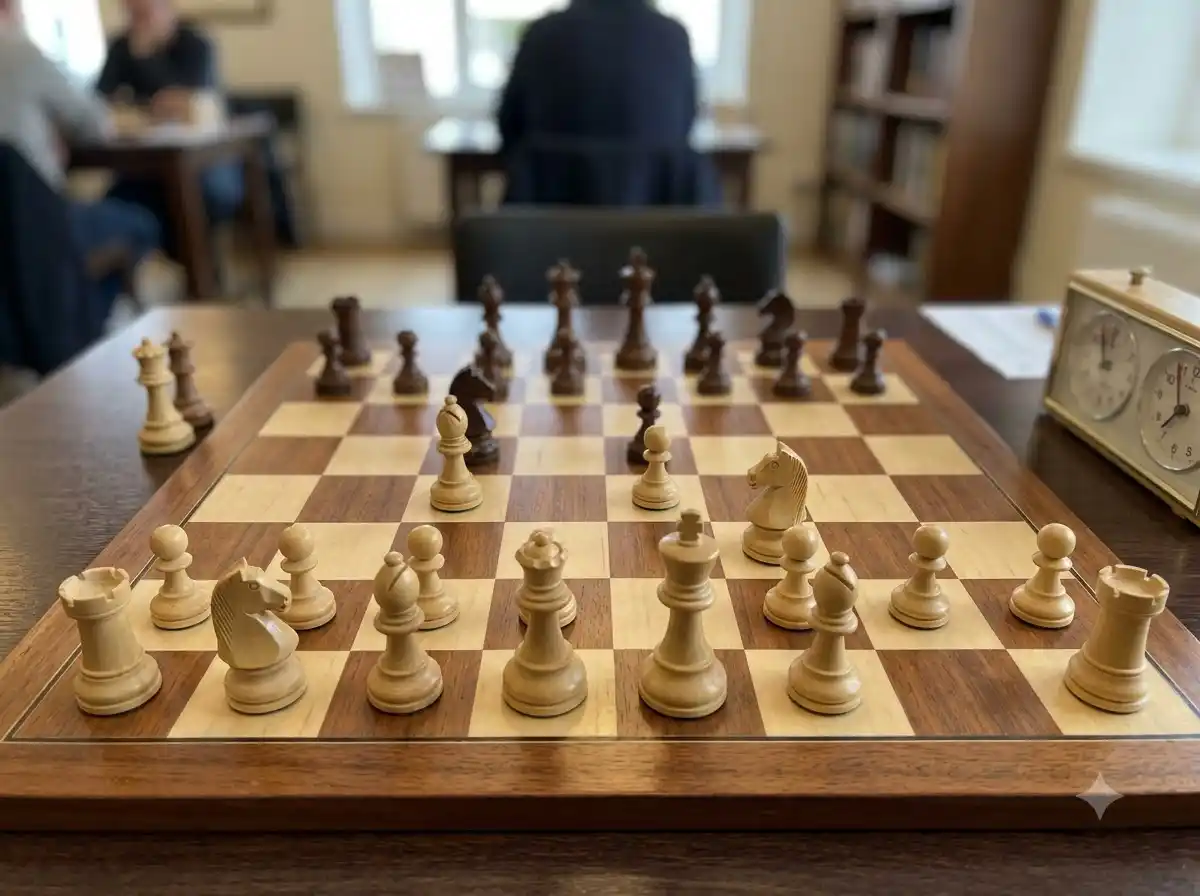
For new chess players, the opening phase of the game can feel intimidating. With millions of potential initial moves, knowing how to start a game with confidence is often the difference between a swift victory and an early struggle.
The secret to a successful opening isn’t memorizing dozens of complex variations it is understanding core principles: controlling the center, developing your pieces quickly, and protecting your king.
Here are the top 10 chess openings for beginners (5 for White and 5 for Black) that will help build a strong foundation for every match.
Top 5 White Openings for Beginners
Playing with White gives you the first-move advantage. These five openings leverage that advantage to claim central territory and build aggressive or solid piece development.
1. The Italian Game
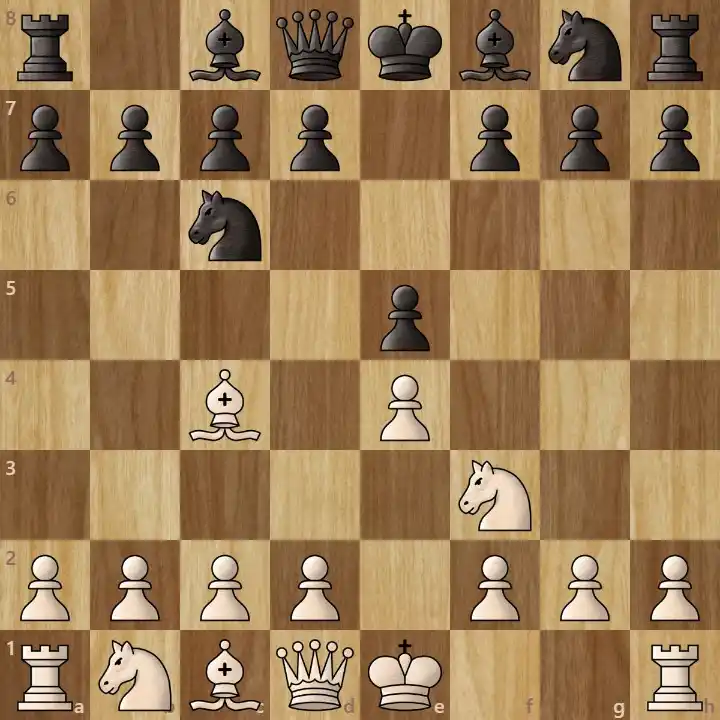
Moves: 1. e4 e5 2. Nf3 Nc6 3. Bc4
Why it works: The Italian Game is one of the oldest and most classic openings in chess history. It immediately challenges the center with your king’s pawn, develops your knight, and places your bishop on c4 to target Black’s vulnerable f7 pawn. It is easy to learn and teaches fundamental piece coordination.
2. The Ruy Lopez (Spanish Opening)
Moves: 1. e4 e5 2. Nf3 Nc6 3. Bb5
Why it works: Named after a 16th-century Spanish bishop, the Ruy Lopez is played at all levels, from beginners to World Champions. By placing the bishop on b5, White immediately pressures Black’s c6 knight, which defends the central e5 pawn. It builds long-term positional pressure.
3. The Queen’s Gambit
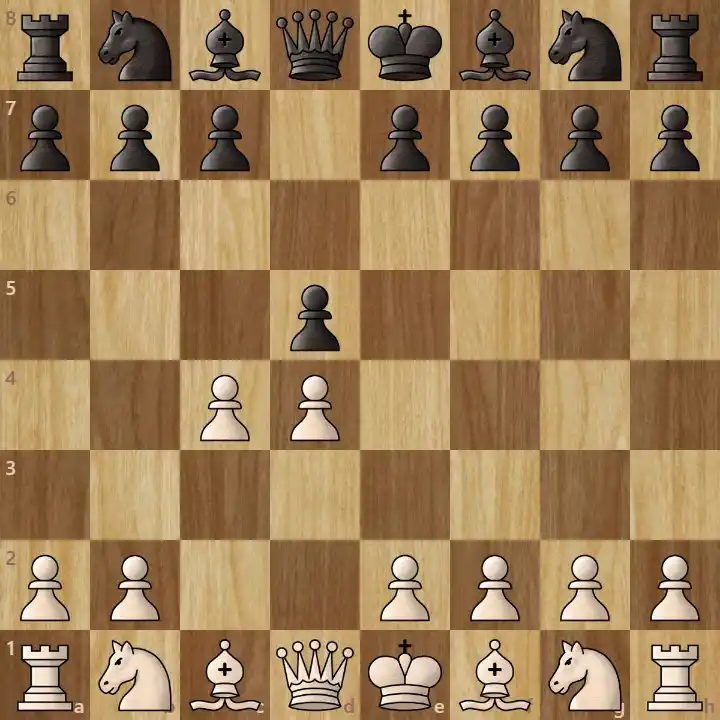
- Moves: 1. d4 d5 2. c4
- Why it works: If you prefer controlling the board starting with the queen’s pawn, the Queen’s Gambit is the gold standard. White offers a side pawn (c4) to entice Black away from the center. Even if Black accepts the gambit, White can easily reclaim central control and dominate space.
4. The London System
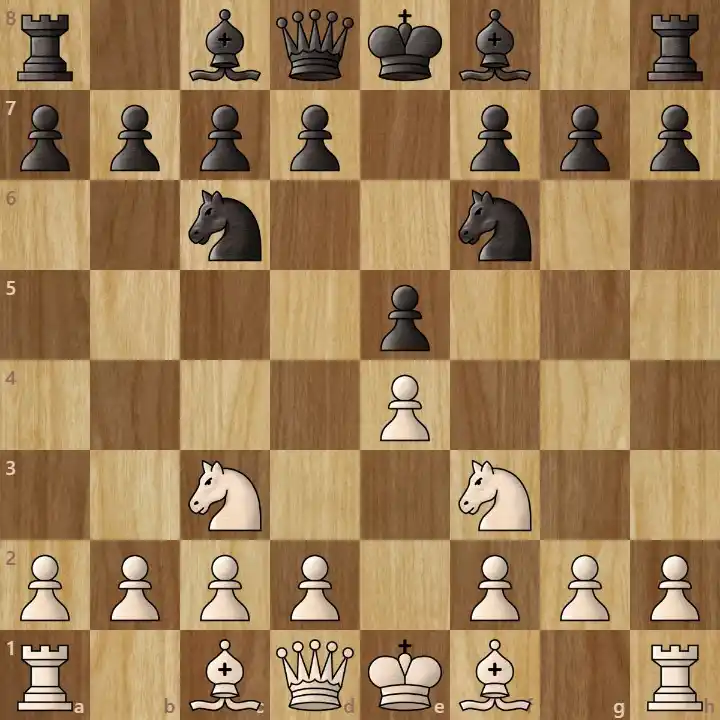
Moves: 1. d4 d5 2. Bf4 followed by 3. Nf3 and 4. e3
Why it works: The London System is famously beginner-friendly because White uses a “setup-based” approach. Regardless of what Black plays, White can safely set up a solid pyramid of pawns and active pieces without worrying about sharp opponent traps.
5. The Four Knights Game
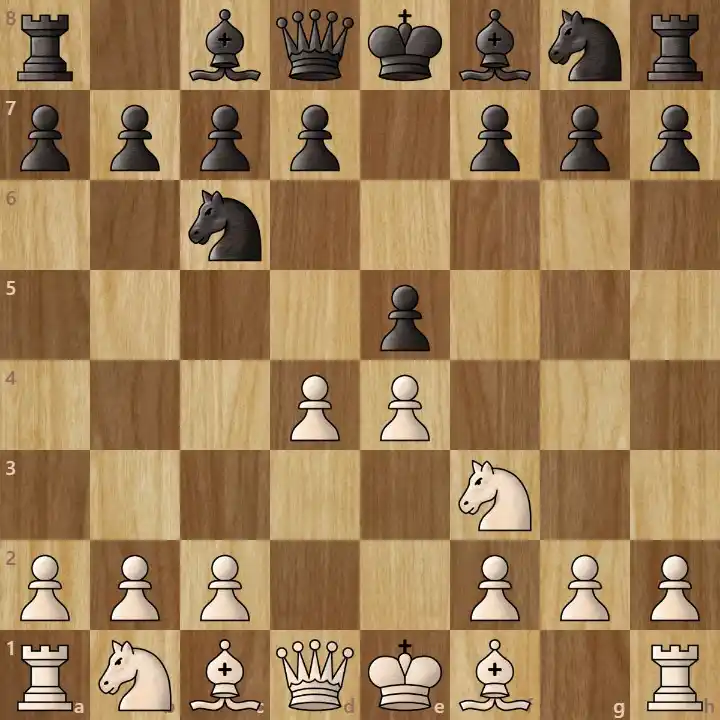
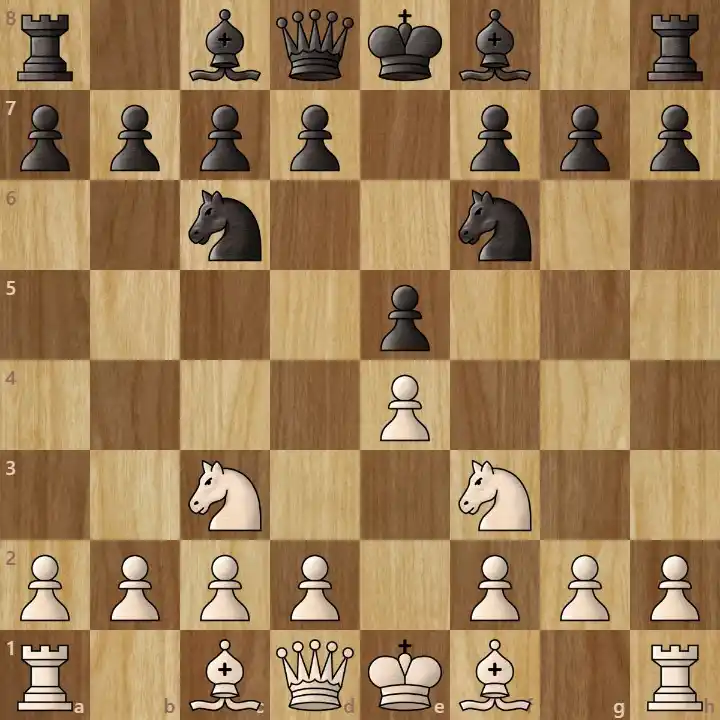
Moves: 1. e4 e5 2. Nf3 Nc6 3. Nc3 Nf6
Why it works: Perfect for absolute beginners, this opening follows the golden rule of piece development: “Knights before Bishops.” Both players bring out all four knights rapidly, creating a symmetrical, balanced, and straightforward game.
Top 5 Black Openings for Beginners
When playing with Black, your goal is to neutralize White’s first-move advantage, fight for central territory, and create counter-attacking opportunities.
6. The Sicilian Defense
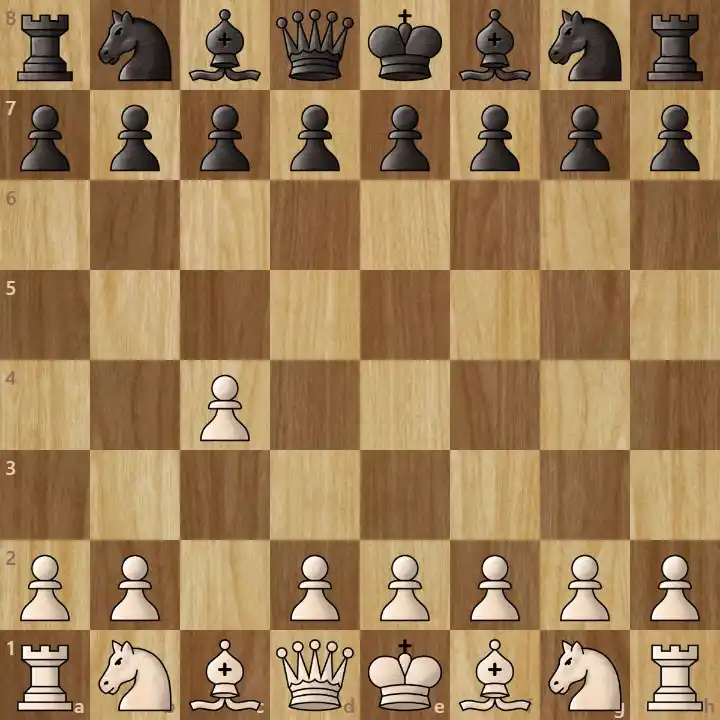
Moves: 1. e4 c5
Why it works: The Sicilian Defense is the most popular and highest-scoring response to 1. e4. Instead of copying White with 1… e5, Black plays c5 to attack the d4 square asymmetrically. It creates exciting, dynamic games where Black fights for the win from move one.
7. The French Defense
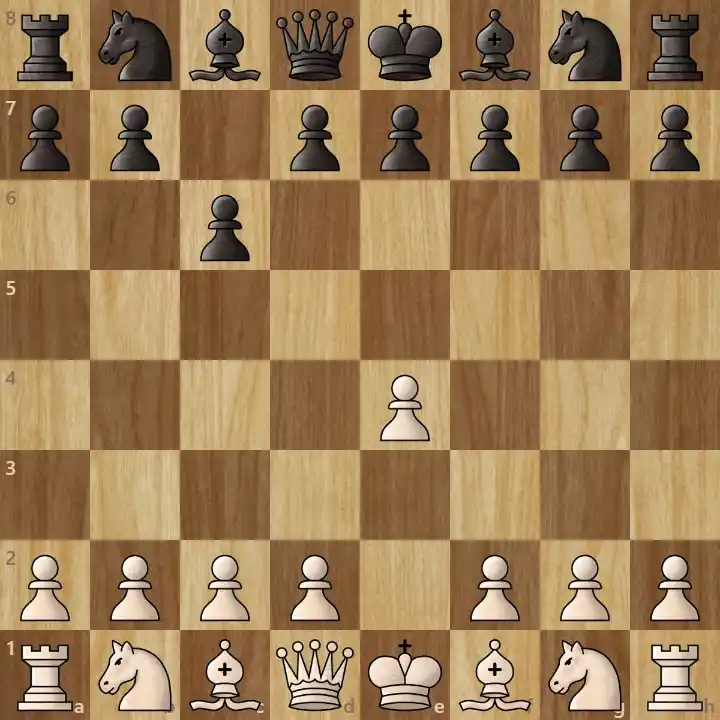
Moves: 1. e4 e6 2. d4 d5
Why it works: The French Defense is a rock-solid option for players who prefer strong defensive walls. Black allows White to take the center temporarily, only to immediately strike back with d5, building a resilient pawn chain that is tough to break.
8. The Caro-Kann Defense
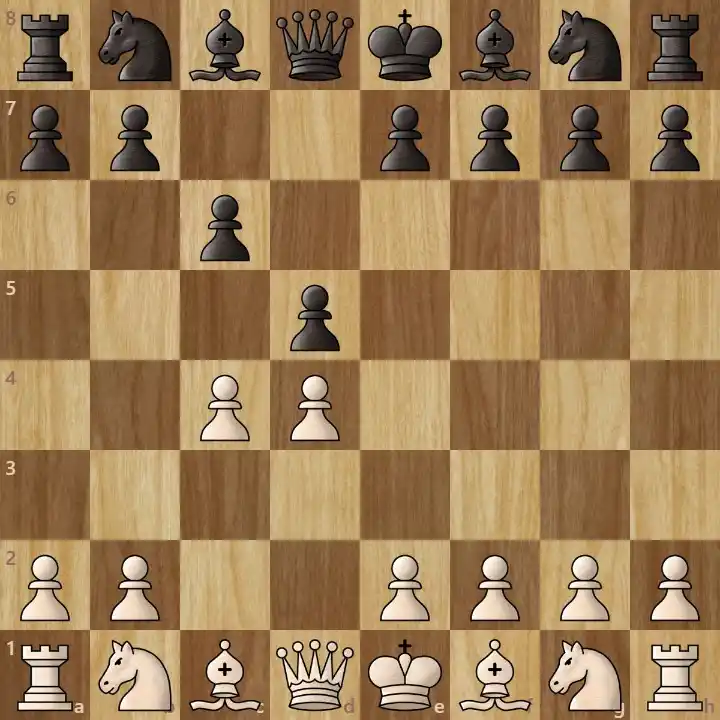
Moves: 1. e4 c6 2. d4 d5
Why it works: Similar to the French Defense, the Caro-Kann aims to challenge White’s center with d5. However, because Black plays c6 first, the light-squared bishop isn’t trapped behind pawns, giving Black a cleaner, extremely solid setup.
9. The King’s Indian Defense
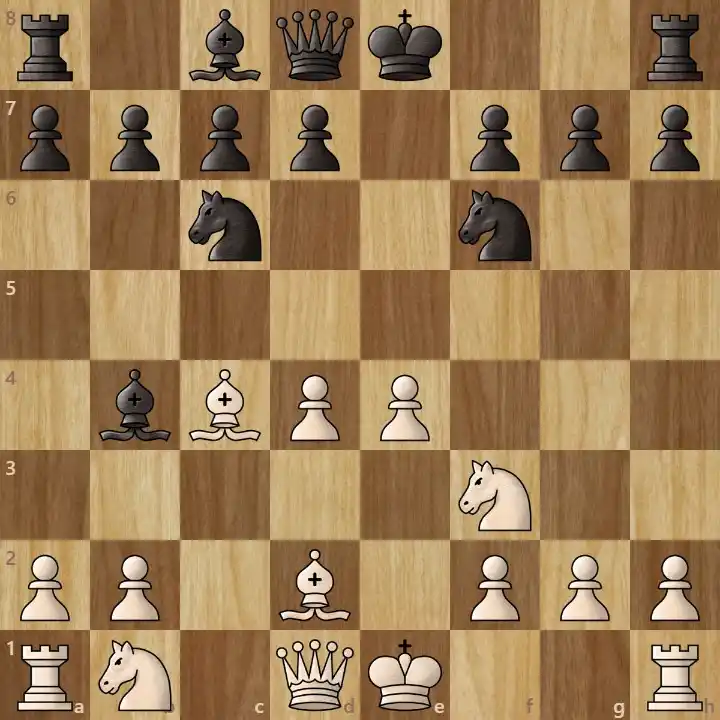
Moves: 1. d4 Nf6 2. c4 g6 3. Nc3 Bg7
Why it works: When White opens with 1. d4, the King’s Indian Defense allows Black to develop safely using a “hypermodern” setup. Black lets White occupy the center early, castles quickly on the kingside, and prepares a powerful counterattack in the middlegame.
10. The Slav Defense

Moves: 1. d4 d5 2. c4 c6
Why it works: The Slav Defense is one of the most reliable weapons against the Queen’s Gambit. By supporting the d5 pawn with c6 instead of e6, Black maintains central control while keeping pathways open for piece development.
The 3 Golden Rules of Chess Openings
No matter which opening setup you choose, every successful chess player adheres to three universal principles during the first 10 to 15 moves:
Control the Center: Occupy or attack the four central squares (d4, d5, e4, e5) to command the board.
Develop Minor Pieces Quickly: Bring out your knights and bishops early to active squares. Avoid moving the same piece twice in the opening.
Castle Early for King Safety: Protect your king by castling early while connecting your rooks for the middlegame battle.
Master Opening Tactics at Venture Chess Academy
Memorizing moves from a book will only get a player so far. Understanding why a move is played and knowing how to react when your opponent strays from theoretical lines requires personal feedback and structured coaching.
At Venture Chess Academy, we take young players beyond rote memorization. We strictly cap our classes at a maximum of 5 students per batch to ensure our instructors can analyze every student’s opening choices in real time.
Whether you prefer structured offline training or interactive online chess classes, our certified coaches prepare students to enter competitive FIDE-rated tournaments and international events with total confidence.
Ready to sharpen your opening repertoire and outsmart your opponents from move one?
Book a free 60-minute trial class with our FIDE-rated coaches to discover how Venture Chess Academy can transform your child’s focus and cognitive skills.
Frequently Asked Questions
The Italian Game (for White) and the Four Knights Game are widely considered the best openings for absolute beginners. They strictly follow core principles: controlling the center, developing knights and bishops, and castling early without requiring complex memorization.
No. Beginners should focus on key opening principles controlling the central squares, rapid piece development, and king safety rather than trying to memorize long lines of move theory.