Introduction
Every parent wants the best for their child the right activities, habits, and skills that will set them up for a lifetime of success. In a world overflowing with options, from football and painting to video games and coding clubs, one ancient game continues to stand out: chess.
Chess has been played for over 1,500 years, yet it has never felt more relevant. Today, millions of children around the world compete, learn, and grow through chess and science is increasingly validating what parents and educators have long observed: chess does something uniquely powerful to a developing mind. This blog explores what makes chess not just a great hobby, but arguably the best all-round activity your child can pursue.
Cognitive Development & Brain Training
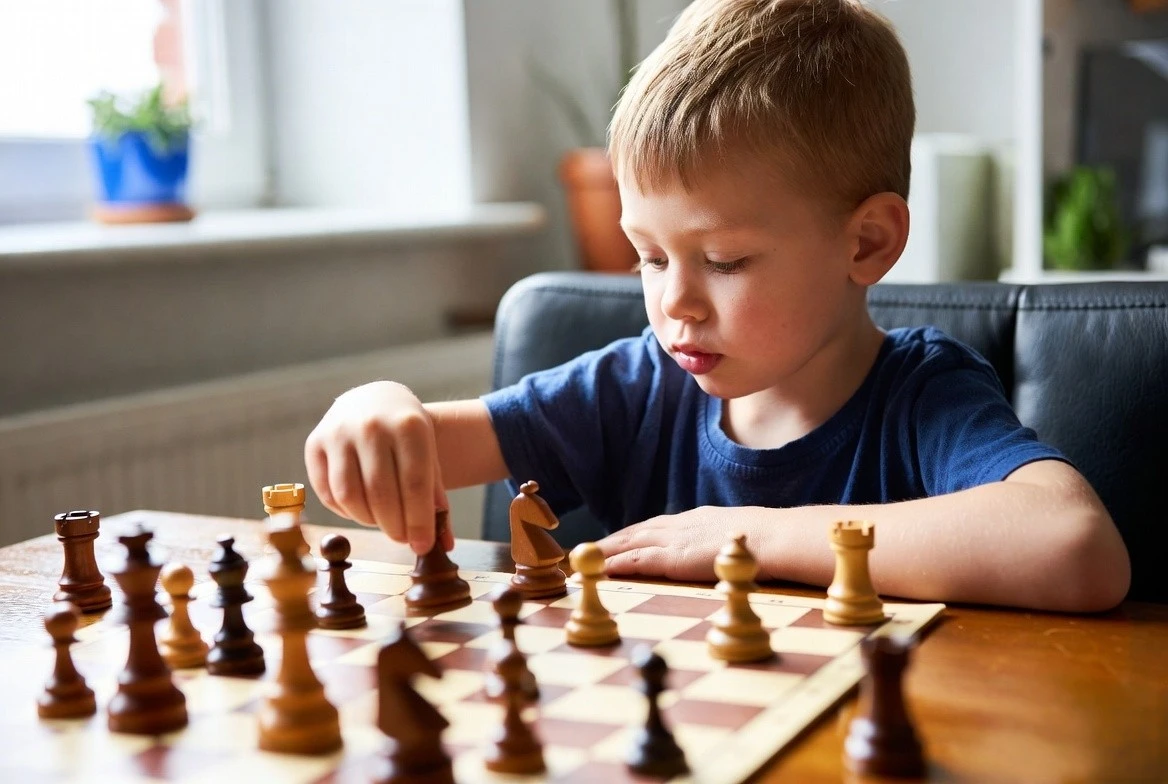
Chess is often called a “mental gymnasium.” Unlike passive hobbies that entertain without demanding thought, chess actively engages both hemispheres of the brain simultaneously. Studies have shown that regular chess play increases neural connections, strengthens memory, and improves concentration.
A landmark study in Venezuela found that children who played chess for just four months showed measurable improvements in IQ scores. Research in Germany demonstrated that chess players use both the visual and logical parts of the brain, unlike non-players who rely on just one. For a growing child, this bilateral brain activation is extraordinary.
Most hobbies train one cognitive dimension. Chess trains many simultaneously, and with increasing depth as the child advances.
Problem-Solving & Critical Thinking Skills
Every chess move is a miniature problem to be solved. Should I attack or defend? What is my opponent planning? What are the consequences of each choice? This constant cycle of analysis, prediction, and decision-making is exactly the kind of thinking schools try and often struggle to teach.
Unlike subjects taught in isolation, chess integrates logic, mathematics, spatial reasoning, and strategic planning into every game. Children learn to think ahead sometimes three, five, or ten moves into the future developing what psychologists call “executive function,” a core predictor of success in school and in life.
Contrast this with many other popular hobbies: drawing refines motor skills and creativity, but rarely demands multi-step consequential thinking. Video games may involve quick reactions, but rarely the deep, unhurried reasoning chess requires.
Building Patience, Discipline & Emotional Control
Chess cannot be rushed. A good player cannot panic, act impulsively, or ignore their opponent’s threats. This naturally cultivates patience one of the most valuable character traits a child can develop in today’s fast-paced, instant-gratification world.
Children who play chess regularly learn to manage frustration when they lose a piece, channel tension when under pressure, and maintain composure during long games. These are real emotional regulation skills the kind that clinical psychologists spend years teaching. Chess teaches them through play.
The experience of losing and learning not just to accept defeat, but to study it and improve builds genuine resilience. A child who has lost hundreds of chess games and kept coming back is practising one of life’s most important lessons: failure is not the end, it is information.
Free Demo Class for Kids
Social & Emotional Benefits
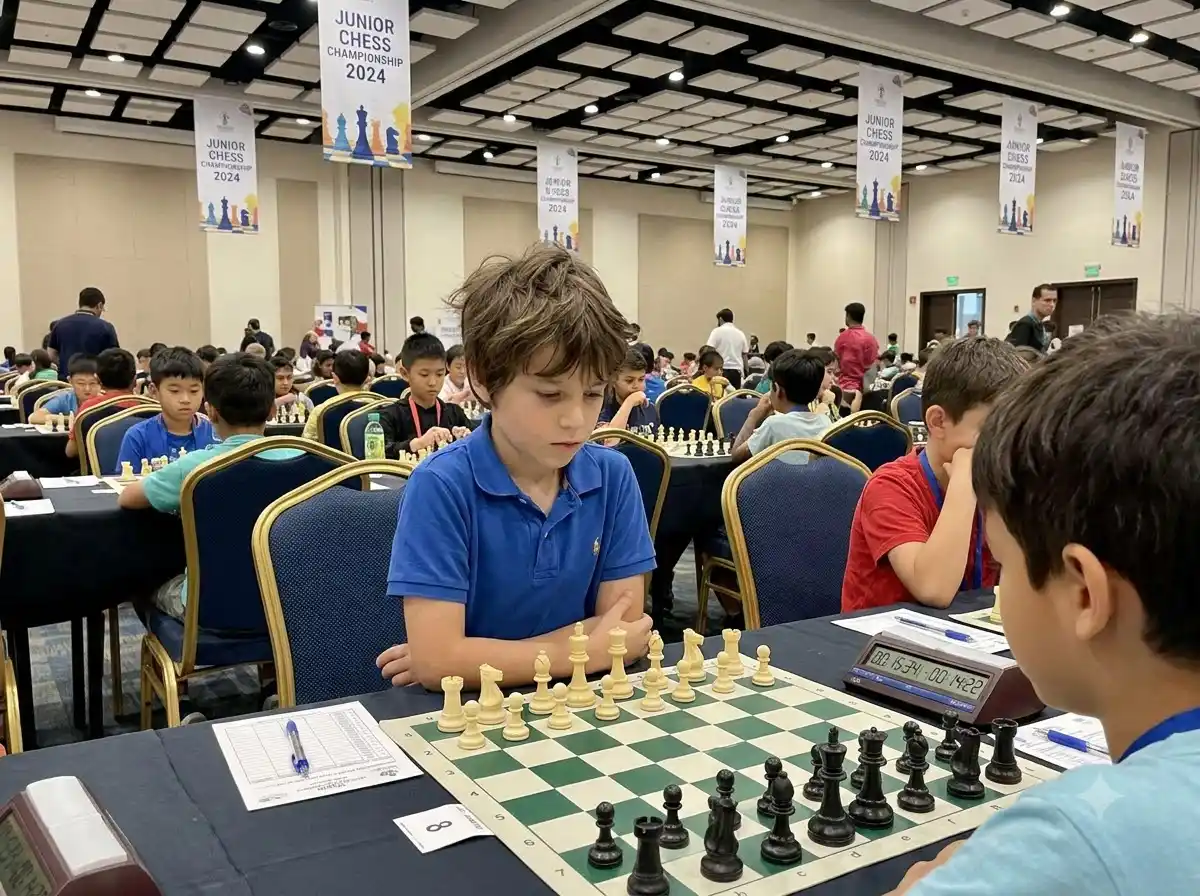
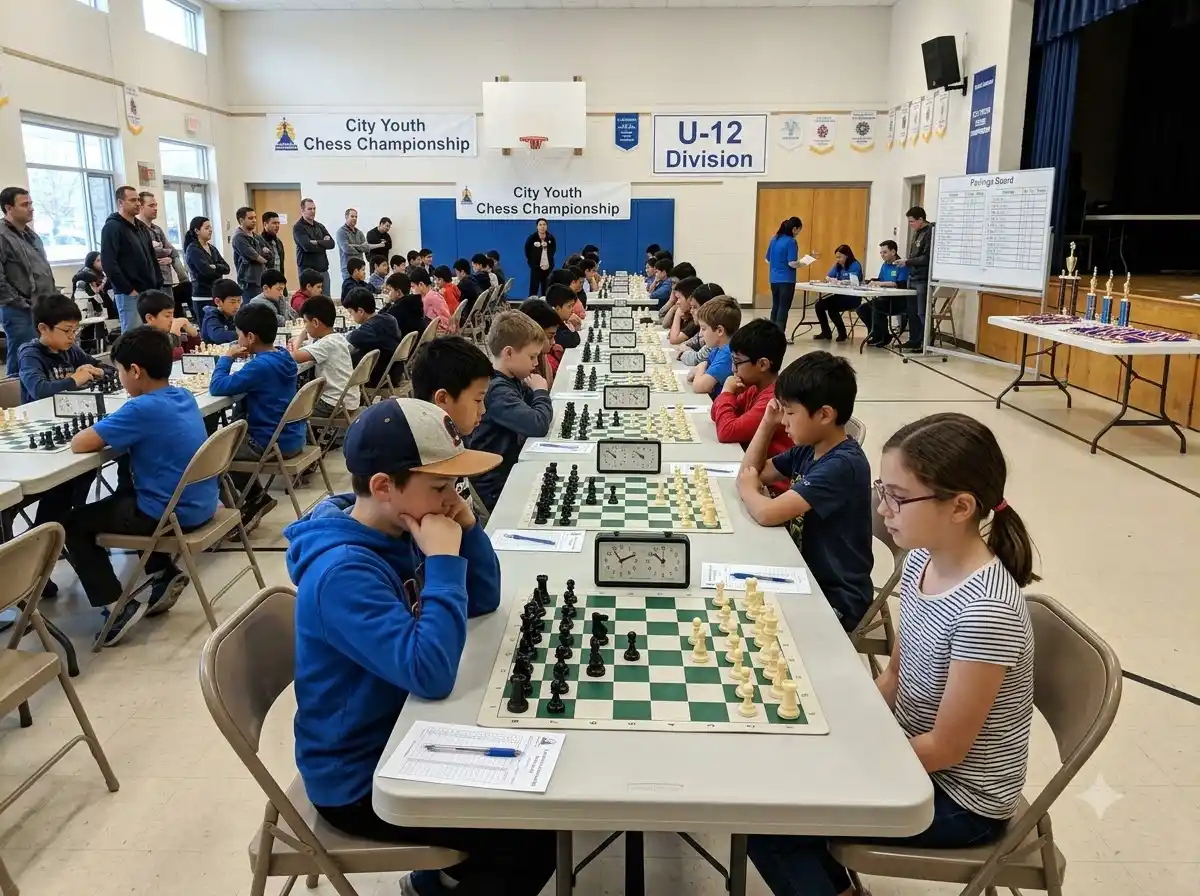
Chess is inherently social. Whether played at school clubs, local tournaments, or online communities, it connects children across age, background, and geography through a shared language of 64 squares. Unlike team sports where social interaction depends on athletic ability, chess clubs welcome everyone equally the quiet child, the unconventional thinker, the child who struggles to fit in elsewhere.
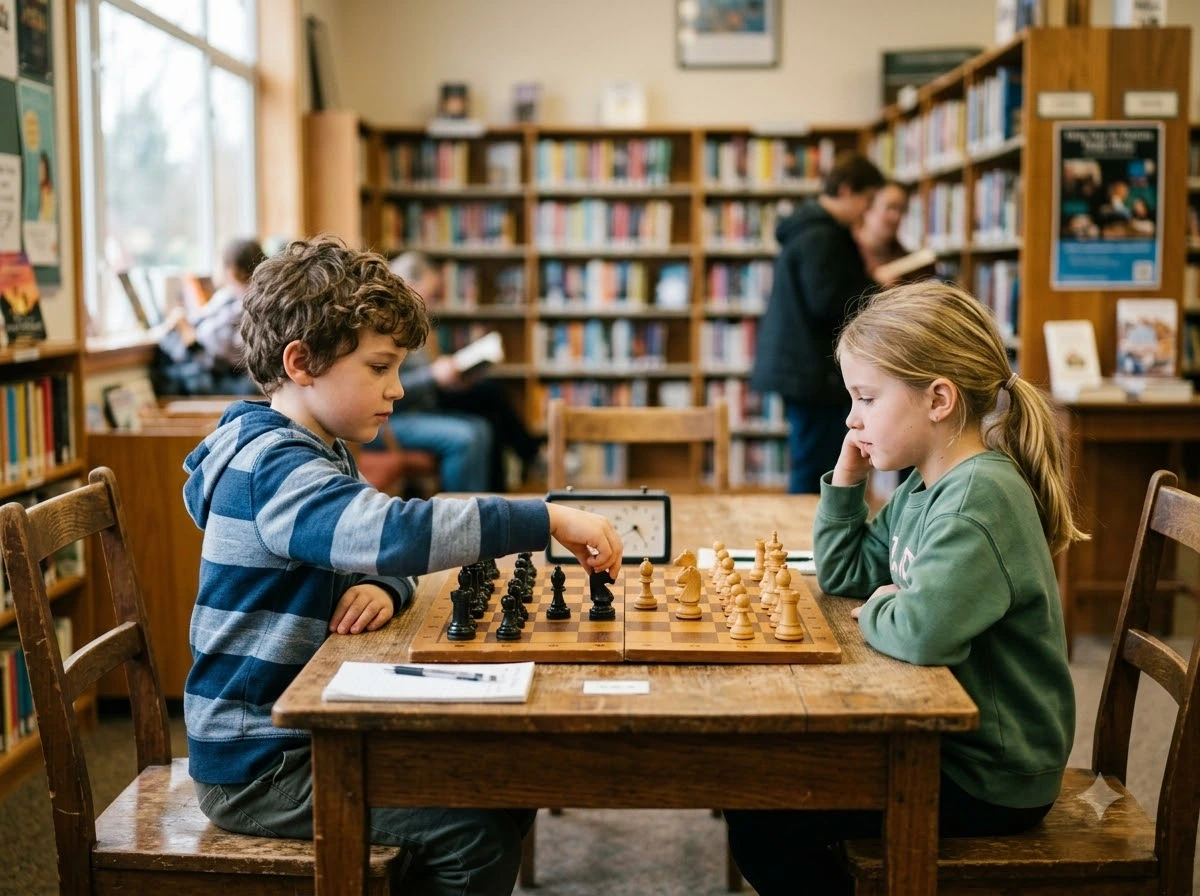
Chess fosters respect and sportsmanship through tradition: players shake hands before and after each game. Winning with grace and losing with dignity are embedded into the culture of the game. These social rituals rare in many modern activities teach children how to treat opponents as worthy rivals rather than enemies.
Chess communities are also notably diverse. Children who play chess interact with peers they might never meet through other hobbies, broadening their social world in meaningful ways.
Accessibility & Cost-Effectiveness
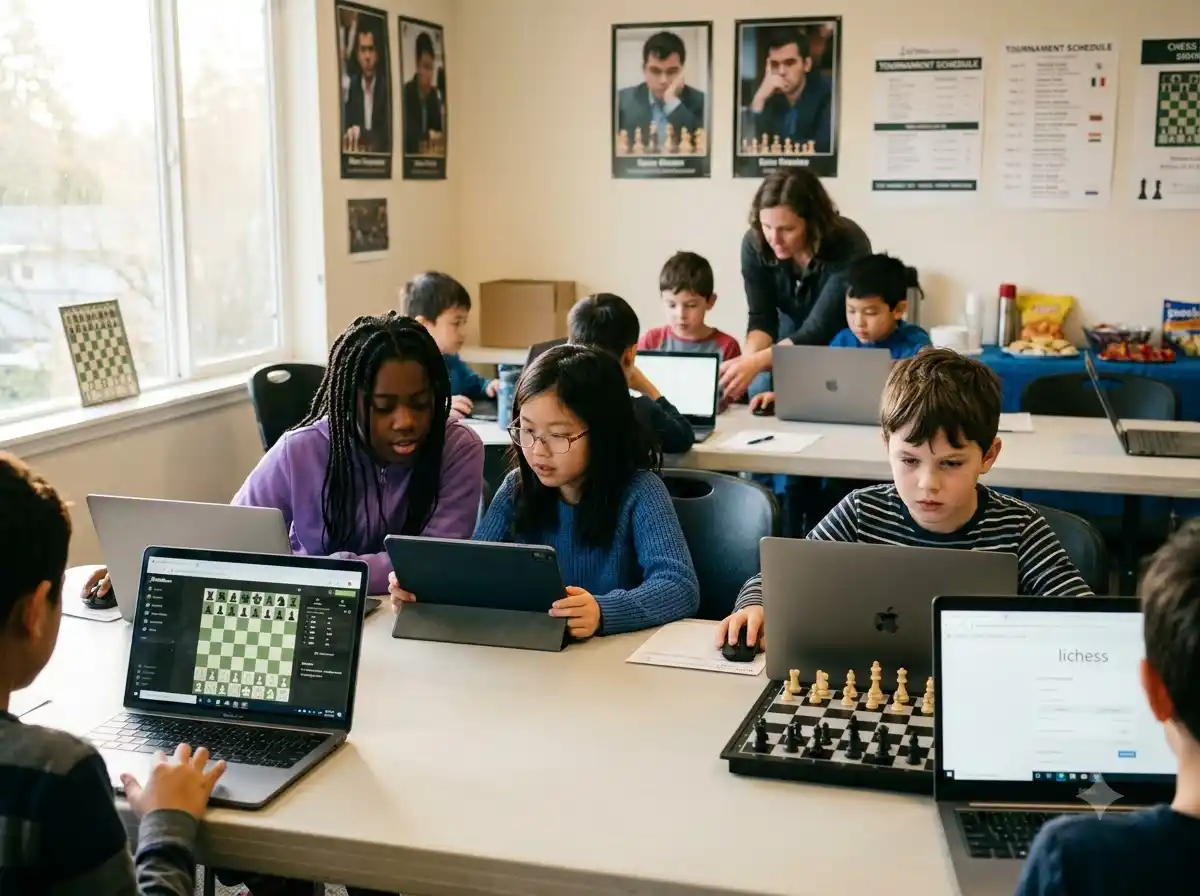
One of chess’s most underrated advantages is how democratically accessible it is. A quality chess set costs less than a week’s worth of football training fees and it lasts forever. Free platforms like Chess.com and Lichess allow children to play, learn, and compete with millions of players worldwide at no cost whatsoever.
Compare this to other common childhood hobbies: music lessons require instruments and weekly fees; team sports demand kits, travel, and club memberships; gymnastics and martial arts involve ongoing monthly costs. Chess levels the playing field in a literal sense talent and dedication, not financial resources, determine how far a child can go.
Long-Term Life Skills & Future Success
The skills chess builds don’t expire at childhood. Strategic thinking, the ability to anticipate consequences, composure under pressure, and analytical reasoning are exactly the competencies employers, universities, and leaders seek.
Research consistently links chess participation to higher academic achievement, particularly in mathematics and reading. Several countries including Russia, Armenia, and more recently India have introduced chess as a compulsory subject in schools, recognising its proven educational impact.
Beyond academics, chess alumni include engineers, surgeons, lawyers, and business leaders who credit the game for shaping how they think. The habit of sitting with a problem, examining it from multiple angles, and finding the most efficient solution is one of the most transferable mental skills a young person can develop.
Physical vs Mental Balance
Chess is a mental sport and that is precisely why it complements physical activities so well. A child who plays football in the afternoon and chess in the evening is developing both physical coordination and mental acuity, without either activity competing with the other.
For children who are less inclined toward physical activity, or those recovering from injury, chess provides a competitive, stimulating outlet that keeps the mind sharp and engaged. For highly active children, chess provides a counterbalance a space for stillness, reflection, and inward focus that physical sports rarely offer.
This complementarity means chess doesn’t have to replace any other hobby. It adds a dimension of mental fitness that most other activities simply don’t address.
Potential Challenges & Honest Comparison
In the interest of a fair comparison, it’s worth acknowledging what chess doesn’t offer. No hobby is perfect for every child, and chess has genuine limitations alongside its strengths.
The honest truth is that no single hobby is objectively “the best” but chess comes remarkably close to offering the broadest, deepest range of developmental benefits at the lowest cost and the highest accessibility. For most children, it’s not a question of chess instead of other hobbies, but chess alongside them.
How to Get Kids Started with Chess
Starting chess doesn’t require a coach or a tournament. A curious child, a basic set, and a patient first teacher often a parent is enough. Here’s a simple path forward:
- Get a simple board and introduce the pieces one at a time, starting with pawns
- Play casual, low-stakes games at home to build comfort with the rules
- Use free apps like Chess.com Kids or Lichess, which have child-friendly learning paths
- Find a local school chess club or beginner tournament community matters early on
- Watch age-appropriate chess content on YouTube; let curiosity drive the pace
- Enroll in a structured beginner course (many are free online) once enthusiasm is established
- Celebrate losses as much as wins frame every game as a learning opportunity
Free Demo Class for Kids
Conclusion
Chess is more than a board game. It is a structured, proven, and endlessly deep system for developing the mind one that builds patience, sharpens logic, fosters resilience, and teaches children how to think, not just what to think. It costs almost nothing, requires no physical space, and scales effortlessly from a five-year-old learning which direction a pawn moves to a teenager competing at national level.
What makes chess truly remarkable is not that it is better than other hobbies in every dimension it isn’t but that it is uniquely excellent across so many dimensions at once. No other common childhood activity offers quite the same combination of cognitive training, emotional development, social connection, academic benefit, and lifelong applicability.
If you’re looking for a hobby that will quietly, consistently, and profoundly shape how your child thinks and who they become chess deserves a place at the table.
FAQ
Most children can begin learning the basic rules of chess from age 5 or 6. At this stage, focus on piece movement and simple game-play rather than strategy. Deep strategic thinking typically develops from age 8–10 onwards. The earlier a child starts, the more time their brain has to internalise patterns — but it is never too late to begin.
Yes — multiple studies across different countries have found positive correlations between chess participation and academic performance, particularly in mathematics and reading comprehension. The skills chess develops — concentration, pattern recognition, logical reasoning, and planning — are directly useful in classroom settings. Several national school systems have formally incorporated chess into their curricula for this reason.
Absolutely. Chess does not require prior academic ability — in fact, it is one of the few activities where a child who struggles in traditional school settings can genuinely excel. The skills it develops (spatial reasoning, strategic thinking, pattern recognition) are not tested in conventional exams, meaning children who feel “behind” elsewhere often discover they have a natural gift for chess. It can be deeply empowering.
Even 30 minutes a day, three to four times a week, is enough to see meaningful developmental benefits. For children interested in competitive play, a more structured routine of study, puzzle-solving, and coached games may be appropriate. The key is consistency over intensity — regular short sessions are more beneficial than occasional marathon sessions.
Chess should complement physical activity, not replace it. Children need both physical and mental exercise for healthy development. The ideal scenario is a balanced routine that includes some form of physical activity alongside mental pursuits like chess. Many top chess players are also physically active, recognising that physical fitness supports mental sharpness and focus.
This is common in the early stages, especially if chess feels too difficult or competitive too soon. The solution is to keep early chess fun and pressure-free. Play casually, use puzzles and mini-games, find a peer to play with rather than a stronger adult, and celebrate progress rather than results. Interest typically grows naturally once a child experiences their first real improvement — the satisfaction of mastering chess is self-reinforcing when given time.