In today’s fast-paced digital world, it’s more important than ever to choose the right hobbies for children.
Hobbies not only keep kids entertained and happy but also help them develop essential life skills, creativity, discipline, and emotional intelligence. Among the many options available, some activities stand out for their well-rounded benefits.
Here are the Top 5 Hobbies for Kids that parents should seriously consider, starting with one of the most powerful: Chess.
Introduction
Hobbies give children a healthy way to express themselves, develop skills, and manage stress.
The best hobbies are those that challenge the mind, encourage creativity, improve physical fitness, or help with emotional growth. In this blog, we explore five exceptional hobbies Chess, Drawing & Painting, Music & Dance, Sports, and Reading and explain why they are valuable for every child.
Why Kids Need Hobbies
Children today face significant academic pressure, excessive screen time, and social expectations.
Hobbies help provide balance. They can help kids:
– Develop focus and discipline
– Build confidence and self-esteem
– Learn patience and resilience
– Discover passions and talents
– Make healthy habits and form friendships
Regularly engaging in hobbies also reduces anxiety and improves overall mental well-being.
Now, let’s look at the top five.
Top 5 Hobbies for Kids
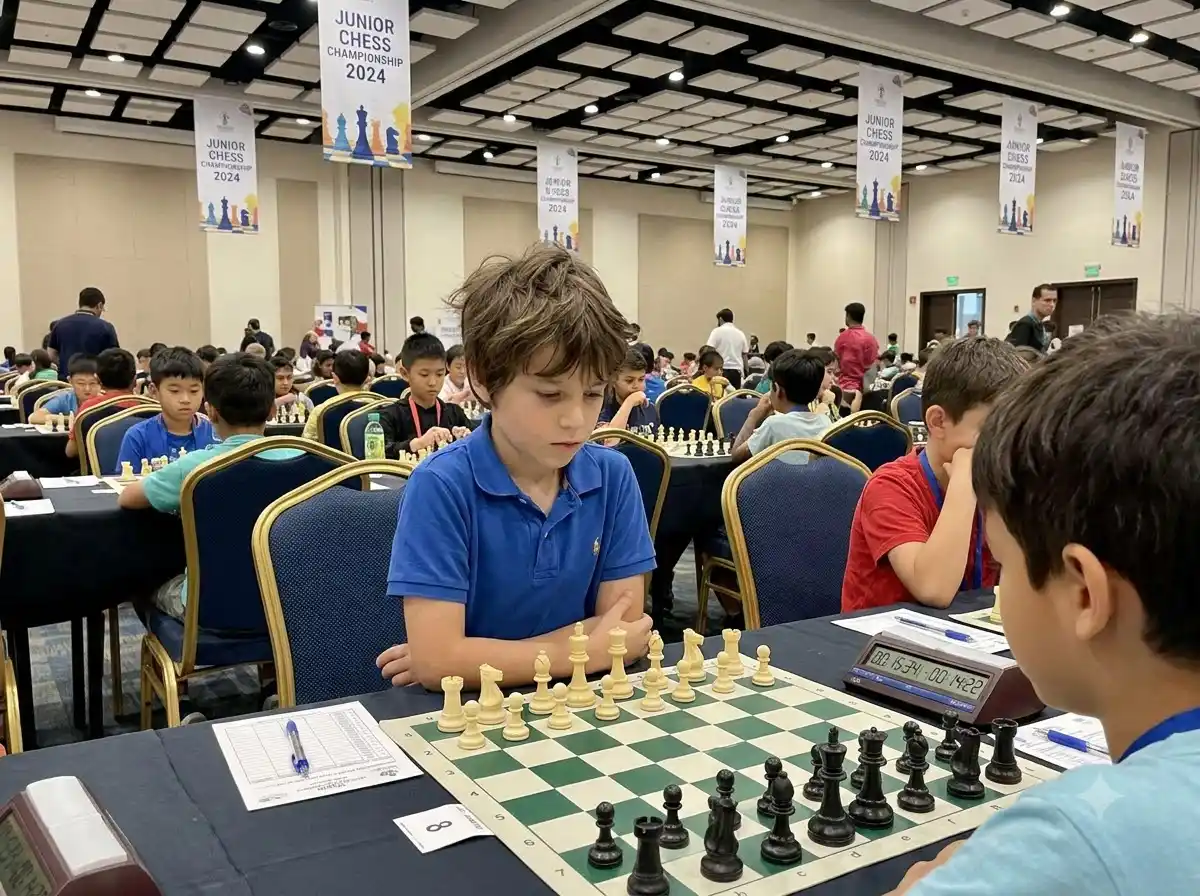
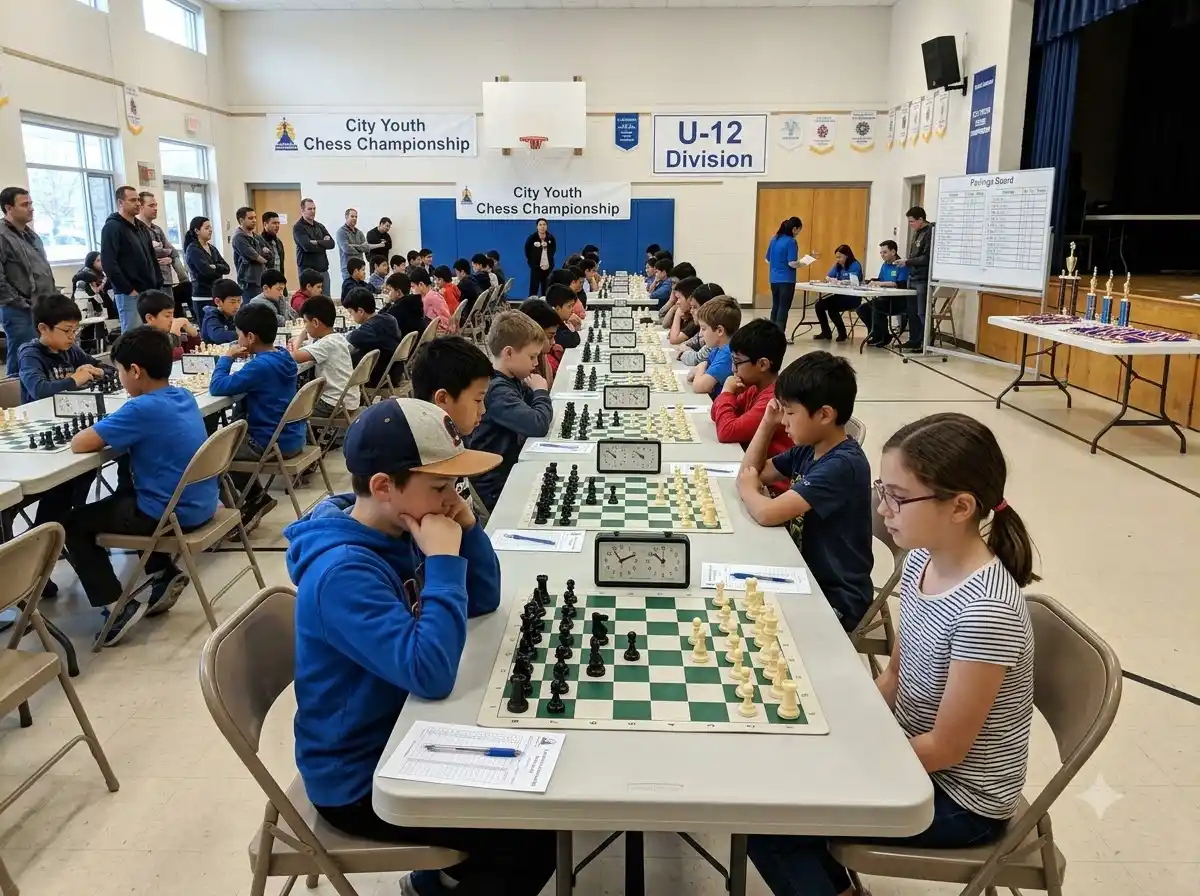
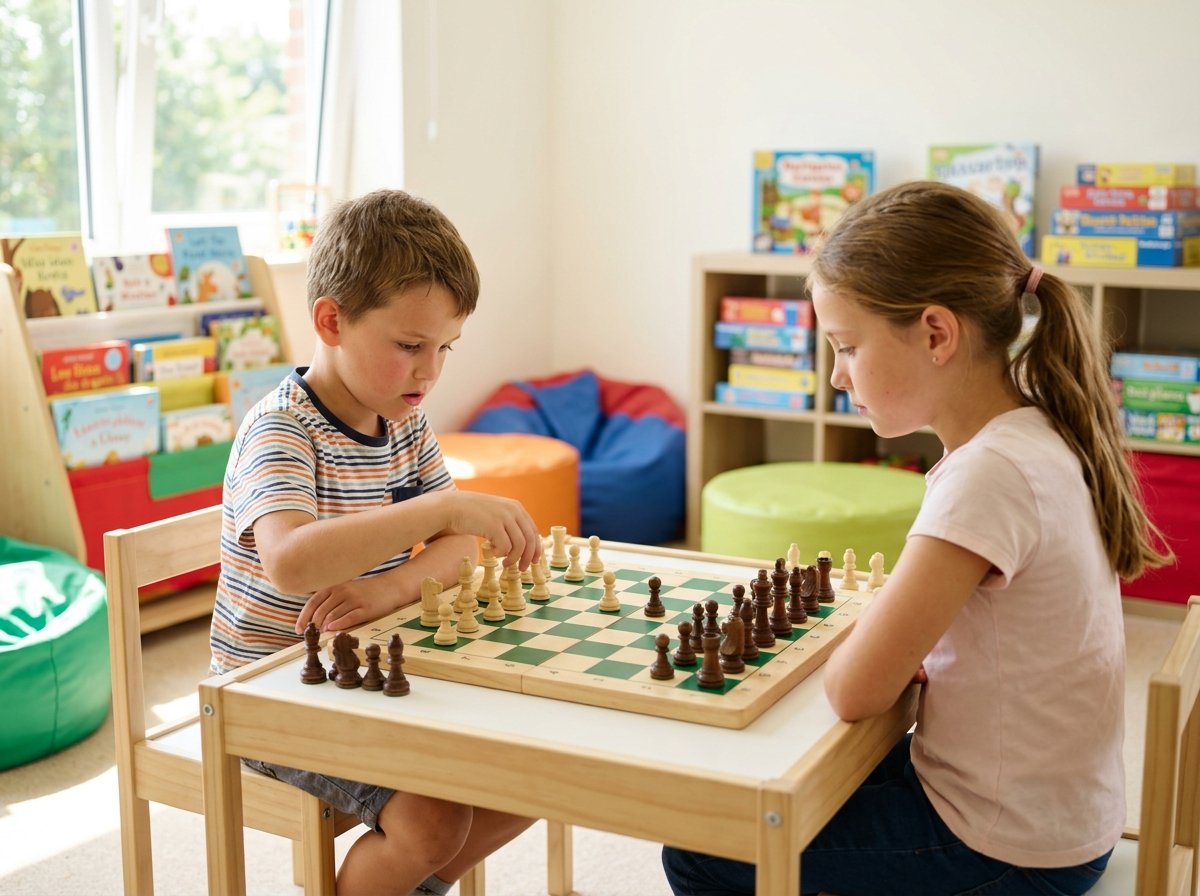
- Chess
Chess is often called the “gymnasium of the mind.”
It’s one of the best hobbies for developing children’s cognitive abilities.
Key Benefits:
– Enhances critical thinking and problem-solving
– Improves concentration and memory
– Teaches strategic planning and foresight
– Builds resilience by learning from losses
– Boosts mathematical and logical reasoning
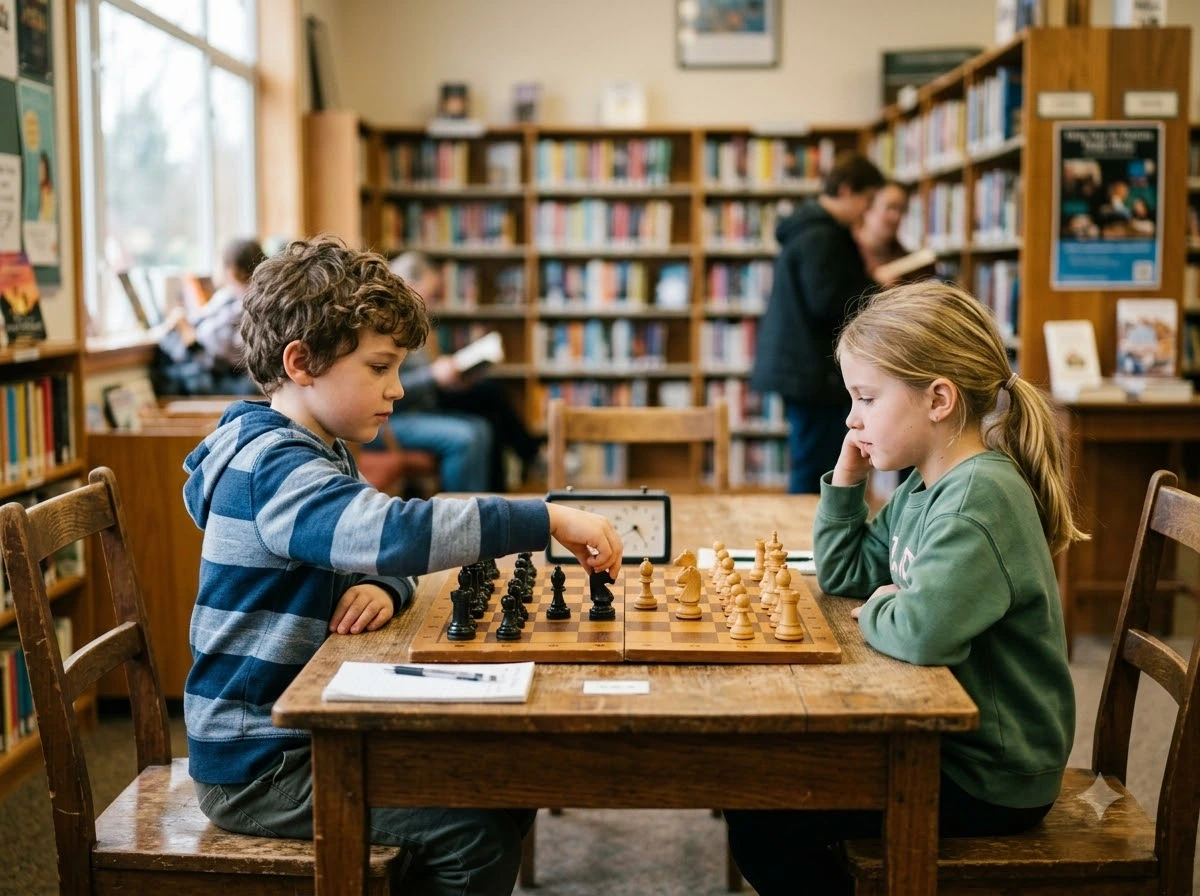
Children as young as 5 can begin learning chess.
Regular play can improve academic performance, especially in math and reading. Chess also helps with emotional control and sportsmanship.
2. Drawing & Painting
Artistic hobbies like drawing and painting encourage creativity and emotional expression.
Key Benefits:
– Develops fine motor skills and hand-eye coordination
– Boosts imagination and creative thinking
– Provides a healthy way to express emotions
– Improves patience and attention to detail
– Builds self-confidence through visible progress
Whether using crayons, watercolors, or digital tools, art helps children process their thoughts and feelings constructively.
3. Music & Dance
Learning a musical instrument or practicing dance combines creativity, discipline, and physical activity.
Key Benefits:
– Enhances memory and cognitive development
– Improves coordination and rhythm
– Builds discipline through regular practice
– Boosts social skills in group performances
– Reduces stress and improves emotional regulation
Music and dance also help develop mathematical thinking (through rhythm and patterns) and emotional intelligence.
4. Sports
Physical sports such as football, basketball, swimming, or martial arts are essential for healthy development.
Key Benefits:
– Promotes physical fitness and healthy habits
– Teaches teamwork and leadership
– Builds resilience and sportsmanship
– Improves concentration and quick decision-making
– Reduces screen time and supports better sleep
Team sports also help children make friends and develop social confidence.
5. Reading
Reading remains one of the most powerful hobbies for intellectual and emotional growth.
Key Benefits:
– Expands vocabulary and improves language skills
– Enhances empathy by understanding different perspectives
– Boosts imagination and creativity
– Improves focus and comprehension
– Builds knowledge across various subjects
Encouraging daily reading fiction, non-fiction, or graphic novels has lifelong benefits for academic success and personal growth.
Free Demo Class for Kids
Benefits of These Hobbies
These five hobbies work well together:
– Cognitive Development: Chess and Reading sharpen the mind
– Creative Expression: Drawing, Music & Dance nurture imagination
– Physical Health: Sports build strength and coordination
– Emotional Growth: All of them teach patience, resilience, and self-awareness
Together, they help create well-rounded children who are intellectually sharp, emotionally balanced, physically active, and creatively confident.
How Parents Can Support Kids
Parents play a vital role in nurturing hobbies:
– Expose, Don’t Force: Introduce different activities and let children choose what excites them.
– Be Consistent: Help establish regular practice schedules without making it feel like a burden.
– Celebrate Effort: Praise progress and dedication more than results.
– Participate Together: Join your child in the hobby when possible it strengthens bonding.
– Provide Resources: Invest in good learning materials, classes, or clubs.
– Balance Screen Time: Set healthy limits on devices to make space for real-world hobbies.
Free Demo Class for Kids
Conclusion
The Top 5 Hobbies: Chess, Drawing & Painting, Music & Dance, Sports, and Reading provide a great mix of mental, creative, physical, and emotional benefits.
These activities help kids build important life skills while also bringing them joy, confidence, and good habits.
As a parent, giving your child a chance to try these hobbies can be one of the best gifts you can give.
The goal isn’t to make them great in every area, but to help them find things they really enjoy and that help shape who they are.
Start small. Try one or two hobbies for a few months and see what your child really likes. Putting in time and effort now can really pay off later in their success and happiness.
Encourage your kids to explore, create, move, think, and dream because the hobbies they love today might help shape the adults they become tomorrow.
FAQ
You can start as early as 3–4 years with simple activities.
Structured hobbies usually work best from age 5–6 onwards.
1–3 hobbies at a time is ideal.
Having too many can lead to burnout or not getting deep enough into anyone.
Yes. Many kids begin learning the basics at age 4–5. Formal training is good from age 6 and up.
Chess and Reading have the strongest link to academic improvement, especially in focus, memory, and logical thinking.
Make it fun, celebrate small wins, try different styles within the hobby, and join in. Sometimes switching to a new hobby is also a good idea.
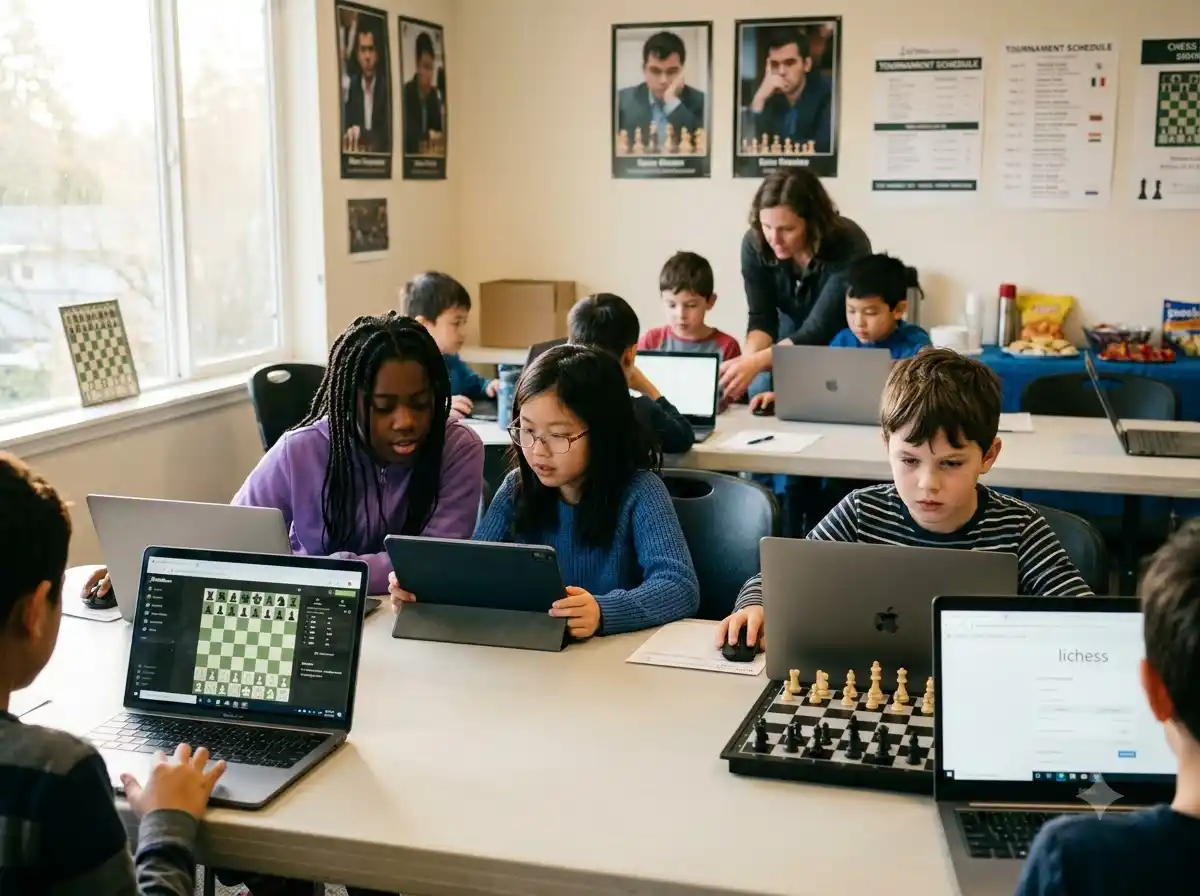
Yes, especially for Chess, Music, and Art. However, in-person group activities are better for social development and for Sports and Dance.