

The Best Chess Openings for Black: Beginner to Advanced Guide
Chess is a game of strategy, patience, and foresight, where the opening moves set the stage for the entire match. For players controlling the black pieces, finding a reliable and effective opening can be challenging. Because White enjoys the first-move advantage, Black must respond precisely to neutralize White’s central control, equalize the position, and eventually create winning counterplay.
The question of finding the best chess openings for black depends heavily on your skill level, tactical preferences, and long-term goals. Whether you prefer solid positional walls or sharp, tactical battles, mastering the right chess openings for black will transform your performance. In this comprehensive guide, we will break down the top defenses against 1.e4 and 1.d4, helping you choose the right repertoire for your playing style.
Why Choosing a Proper Opening for Black Matters
White has the first-move advantage, allowing them to dictate the initial rhythm of the game. Black’s objective out of the opening is multi-layered:
- Equalize the Position: Challenge White’s central pawn tandem and develop pieces harmoniously.
- Maintain Flexibility: Adapt smoothly to White’s setup, whether they choose aggressive attacking lines or quiet positional play.
- Match Your Playing Style: Align with your personal preference—whether you like solid defensive structures or high-risk, tactical confrontations.
- Suit Your Skill Level: Scale from simple development schemes for beginners to deep, theory-heavy lines for advanced tournament players.
Based on these criteria, several standout options dominate competitive play. Let’s explore the top choices for Black.
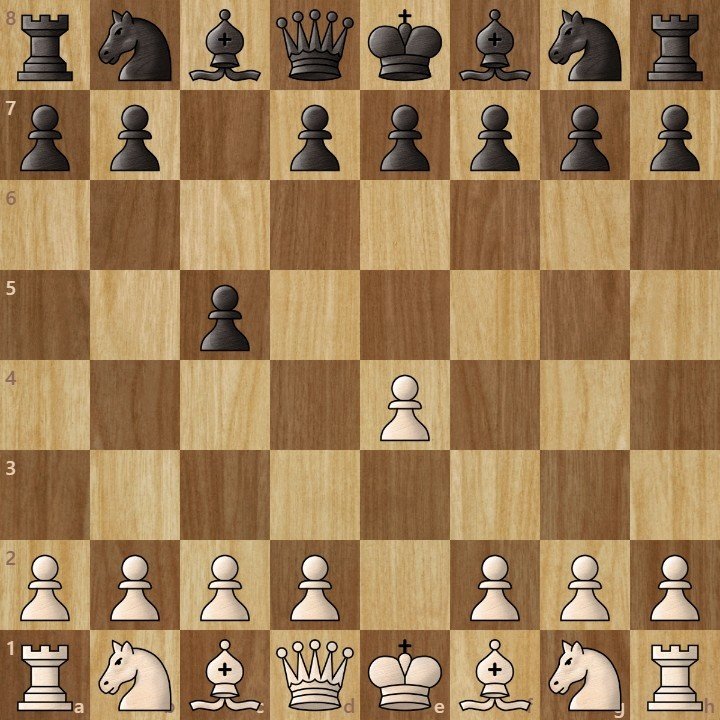
1. The Sicilian Defense (1.e4 c5) — Best for Aggressive Attackers
The Sicilian Defense for black is widely regarded as the most dynamic and ambitious weapon against 1.e4. Rather than mirroring White’s central pawn with 1…e5, Black immediately launches a flank attack on the d4 square. This creates an asymmetrical pawn structure designed to fight actively for a win rather than just settling for a quiet draw.
Why Choose the Sicilian Defense?
- Unbalanced Positions: Leads to razor-sharp, tactical middlegames where Black can wrestle away the initiative.
- Immense Flexibility: Features world-renowned variations like the Najdorf, Dragon, and Accelerated Dragon.
- Proven Pedigree: Trusted by legends like Garry Kasparov and Magnus Carlsen.
Key Variations to Explore
- Najdorf Variation (1.e4 c5 2.Nf3 d6 3.d4 cxd4 4.Nxd4 Nf6 5.Nc3 a6): The gold standard of complex, theoretical play. The move …a6 prepares queenside expansion and prevents annoying bishop checks.
- Dragon Variation (1.e4 c5 2.Nf3 d6 3.d4 cxd4 4.Nxd4 Nf6 5.Nc3 g6): Features a fianchettoed bishop on g7 that breathes fire down the long diagonal.
Best For: Intermediate to advanced players who love tactical complications and are willing to study deep theory. If you want to learn how to avoid early traps in sharp games, review our guide on how to checkmate in 4 moves to sharpen your tactical vigilance.
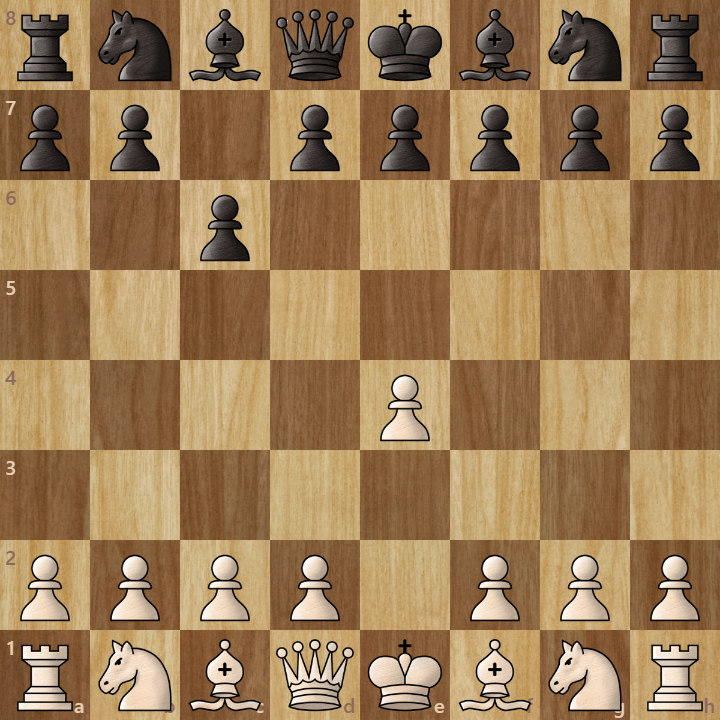
2. The Caro-Kann Defense (1.e4 c6) — Best Rock-Solid Choice
If you want a reliable, structurally sound defense that avoids the wild tactical storms of the Sicilian, the Caro-Kann Defense is an exceptional choice. By playing 1…c6, Black prepares to support a swift …d5 push, establishing a robust central foothold.
Why Choose the Caro-Kann Defense?
- Rock-Solid Pawn Structure: Forms a durable chain (c6-d5) that shields against premature White attacks.
- Clean Development Plans: Avoids trapped light-squared bishops, which often plague other semi-open defenses.
- Favorable Endgames: Frequently transitions into clean endgames where Black’s healthy pawn configuration shines.
Key Variations to Explore
- Main Line (1.e4 c6 2.d4 d5 3.Nc3 dxe4 4.Nxe4 Bf5): Allows Black to develop the light-squared bishop outside the pawn chain early.
- Advance Variation (1.e4 c6 2.d4 d5 3.e5): White grabs space, and Black systematically chips away at the d4 and e5 pawns using …Bf5 and …c5.
Best For: Beginners and positional players looking for a low-maintenance, high-reliability opening. For more guidance on balancing study time with practical application, see our advice on online chess vs board chess.
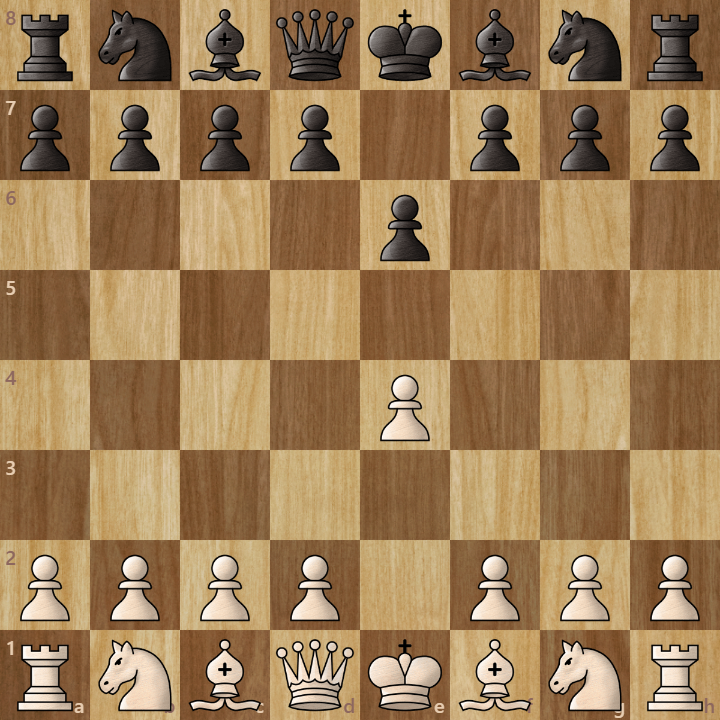
3. The French Defense (1.e4 e6) — Strategic & Counterattacking
The French defense chess system is another cornerstone for players who prefer strategic depth over rapid tactical chaos. Initiated with 1…e6, Black prepares to challenge White’s center with …d5, willingly accepting a closed pawn structure that erupts into dynamic counterplay later.
Why Choose the French Defense?
- Resilient Defense: Extremely difficult for White to break through directly due to the locked e6-d5 pawn wedge.
- Clear Targets: Black consistently targets White’s extended center using …c5 and pressure along the semi-open c-file.
Key Variations to Explore
- Advance Variation (3.e5): Locks the center, prompting Black to undermine White’s chain with …c5 and …Nc6.
- Winawer Variation (3.Nc3 Bb4): A sharper, uncompromising line that pins White’s knight and creates immediate structural imbalances.
Best For: Beginners to intermediate players who enjoy slow positional builds and counterattacking plans.
4. Indian Systems (1.d4) — Nimzo-Indian & King’s Indian
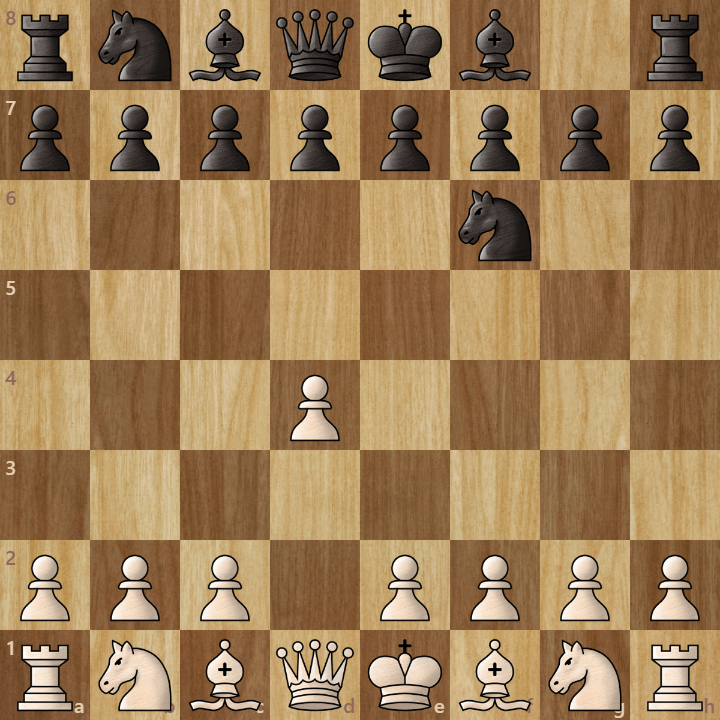
When White opens with 1.d4, standard symmetrical replies like 1…d5 are popular, but hypermodern Indian systems chess options offer dynamic alternatives.
- The Nimzo-Indian Defense (1.d4 Nf6 2.c4 e6 3.Nc3 Bb4): Pins White’s knight to prevent an easy e4 push and creates long-term structural flexibility. Ideal for positional players.
- The King’s Indian Defense (1.d4 Nf6 2.c4 g6): A hypermodern masterpiece where Black invites White to build a massive center before launching a ferocious kingside pawn storm. Perfect for aggressive players.
Summary Table: Choosing Your Opening
Opening | Recommended Against | Play Style | Difficulty / Level |
Sicilian Defense | 1.e4 | Aggressive, Tactical | Intermediate to Advanced |
Caro-Kann Defense | 1.e4 | Solid, Positional | Beginner to All Levels |
French Defense | 1.e4 | Strategic, Resilient | Beginner to Intermediate |
King’s Indian Defense | 1.d4 | Hypermodern, Attacking | Advanced |
Ready to Level Up Your Opening Repertoire?
Mastering the right openings is only half the battle—knowing how to convert your middlegame advantage into a win is equally critical. For instance, once you win material, make sure you know how to checkmate with queen and king efficiently without risking a stalemate.
Let your child explore opening principles, tactical patterns, and positional strategies with a 60-minute interactive session led by FIDE-rated coaches at Venture Chess Academy.
Free Demo Class for Kids
Let your child explore 60-minute free interactive session with FIDE Rated coaches.
Enroll HereConclusion
Choosing the right strategy for Black is a personal journey. Whether you select the tactical fireworks of the Sicilian Defense, the bulletproof solidity of the Caro-Kann, the strategic counterattacks of the French, or the dynamic pressure of the Indian Systems, consistency is key. Pick one opening against 1.e4 and one against 1.d4, learn their core plans rather than memorizing endless moves, and watch your confidence soar!
Frequently Asked Questions
The “best” opening depends on your style. If you want aggressive, tactical battles, the Sicilian Defense is the gold standard. If you prefer a rock-solid, low-risk structure with clear defensive plans, the Caro-Kann Defense or the French Defense are the best choices for most players.
Generally, yes. While the Sicilian Defense offers great winning chances, it requires memorizing extensive theory and managing sharp tactical lines. Beginners are usually advised to start with simpler, solid openings like the Caro-Kann or French Defense before tackling the Sicilian.
When White opens with 1.d4, dynamic hypermodern options like the King’s Indian Defense (great for aggressive players seeking a kingside attack) and the Nimzo-Indian Defense (ideal for positional players looking to control the center indirectly) are among the most reliable choices.
Beginners should prioritize fundamental opening principles such as controlling the center, developing minor pieces quickly, and castling early rather than memorizing 15-move deep opening variations. Understanding why a move is played is far more valuable than rote memorization.
Because White moves first, they dictate the early rhythm. A good opening for Black neutralizes White’s central control, prevents premature attacks, and creates structural imbalances or counterattacking targets (like undermining White’s center pawns) to level the playing field.