Early queen attacks are one of the biggest problems for new and mid-level chess players.
It’s really frustrating when your opponent brings out their queen on move two or three, rushing in to try and checkmate you or take a pawn before your pieces are even ready. The good news is that these early queen moves are usually not very strong and can be easily countered if you know what to do and stay disciplined.
In this guide, you’ll find out exactly how to stop early queen attacks, make them work against your opponent, and even turn them into a chance to win the game.
Introduction
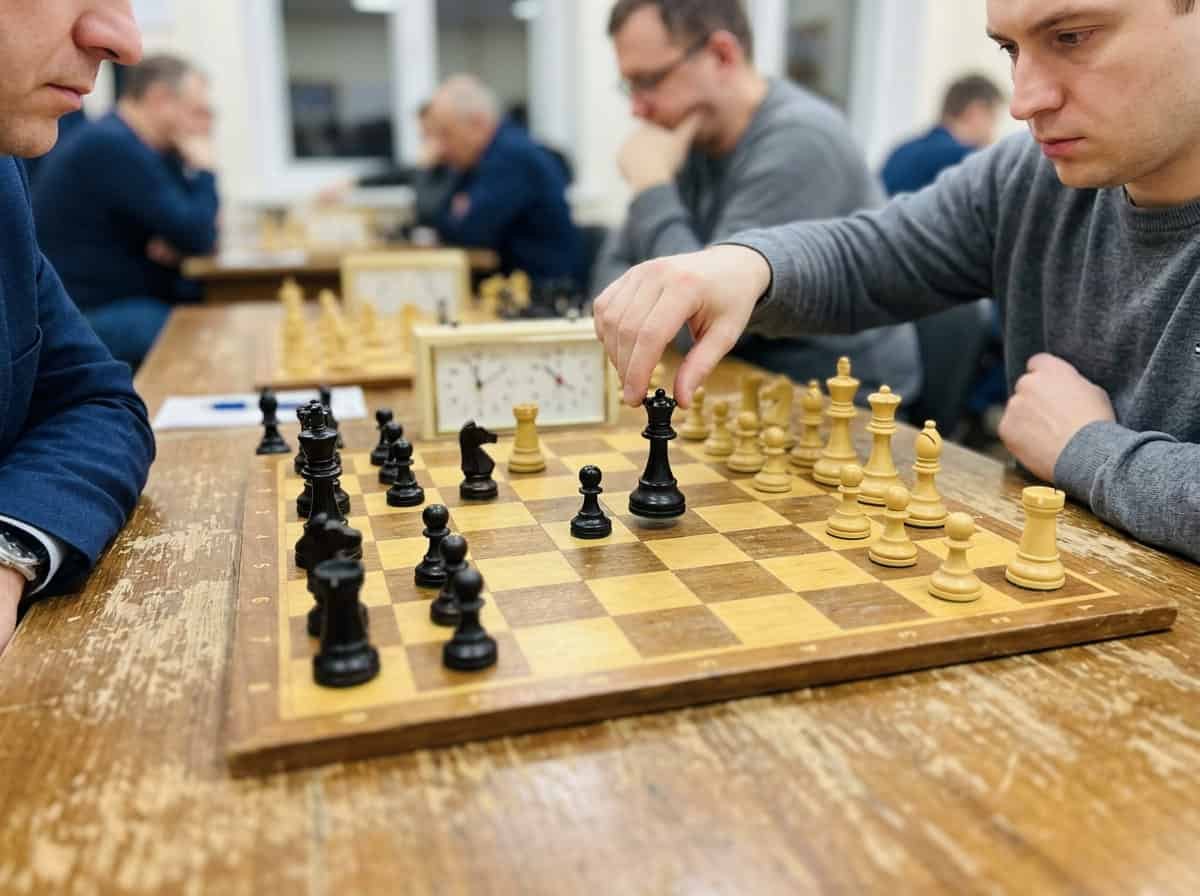
Moving the queen too early breaks one of the most important rules of the opening: develop your minor pieces first.
At first, it might seem like a bold move, but experienced players know that an early queen is more of a target than a threat. By learning a few basic rules and patterns, you can confidently deal with these attacks and often come out of the opening with a clear advantage.
No matter if you face the Scholar’s Mate, the Wayward Queen Attack, or just random queen checks, this article will help you stay calm, develop your pieces properly, and take advantage of your opponent’s impatience.
Why Beginners Love Early Queen Attacks
Beginners often go for early queen moves for three main reasons:
- They seem powerful — The queen is the strongest piece, so moving it early makes it feel like you’re taking control.
- They create immediate threats — Checks, attacks on f7, or threats to win pawns add excitement and pressure.
- They can win games quickly against unprepared opponents — Many casual players fall for Scholar’s Mate or simple forks.
However, these attacks usually don’t work against proper play because the queen becomes exposed, wastes time (tempos), and leaves your other pieces undeveloped.
Understanding this imbalance is the first step in countering them.
Top 5 Traps to Watch For: Scholar’s Mate, Wayward Queen
Here are the most common early queen attacks you should know about:
- Scholar’s Mate (1.e4 e5 2.Qh5)
This is the classic way to try and checkmate on f7.
How to defend: Develop normally with **2…Nc6** and **3…Nf6**, which attack the queen and help you gain time.
2.Wayward Queen Attack (1.e4 e5 2.Qh5 Nc6 3.Bc4)
A slightly more advanced move.
Black should play **3…g6**, forcing the queen to move again while setting up development.
3. Early Queen Checks on a4 or h5
These often happen after 1.e4 e5 2.Qf3 or 2.Qh5. Simply block the queen or develop your pieces while putting pressure on it.
4. Queen Raids on the Queenside (e.g., after 1.d4, early Qa4+ or Qb3)
These are easy to deal with by developing your knight to c6 or d7 and gaining tempo.
5.Napoleon Attack / Parham Attack (1.e4 e5 2.Qf3)
These are harmless if you develop calmly with Nc6 and Nf6.
The key rule: Never panic.
Almost every early queen move can be met by developing a piece that also attacks the queen.
Free Demo Class for Kids
Let your child explore 60-minute free interactive session with FIDE Rated coaches.
Enroll HereCore Principle: Develop Minor Pieces First
The best rule to follow when facing early queen attacks is simple:
Develop your knights and bishops before moving the queen or rooks.
Why this works:
– Minor pieces control the center and protect key squares.
– Developing with tempo (attacking the queen) forces your opponent to waste moves.
– You complete development while your opponent is still moving the same piece repeatedly.
Practical tip: In the first 8–10 moves, aim to develop all your minor pieces and castle before moving your queen.
How to Gain Tempo Against an Early Queen
Gaining tempo is the most effective way to punish premature queen moves.
Every time your opponent moves their queen, try to develop a piece that also attacks it. Examples:
– After 2.Qh5, play **Nc6** then **Nf6** the queen must retreat, and you’ve developed two knights for free.
– After an early Qa4+, develop the knight to c6 or use a pawn to block while developing.
– Use the queen’s exposure to open lines for your bishops and rooks.
This strategy turns your opponent’s “attack” into a massive developmental disadvantage.
Best Pawn Structures That Shut Down Queen Raids
Certain pawn setups can make it really hard for the opponent’s queen to launch an early attack:
– A strong center: Moving the pawn to d6 or d5 early on can limit the queen’s movement.
– Fianchetto setups (g6 and Bg7): The bishop on g7 can both defend and attack effectively.
– French or Caro-Kann structures: These setups reduce the queen’s diagonal influence.
– Early Nf6: This move can target the queen on h5 or f3 right away.
Avoid weakening your own kingside pawns (f7, g7, h7) when your opponent tries an early queen attack.
When to Counterattack vs When to Defend
Here are some general rules:
– If your king is in danger or you’re not fully developed, it’s better to defend first.
– Counterattack when you’ve developed enough pieces to create your own threats.
– If the queen is in a vulnerable position or can be captured, consider taking it.
– Most of the time, developing your pieces calmly and gaining time is the best way to counterattack.
Remember: The best way to stop an early queen attack is often to ignore the threats and develop your pieces normally.
Real Game Examples: Punishing Queen Grabbers
- Scholar’s Mate Refutation
1.e4 e5 2.Qh5 Nc6 3.Bc4 g6 4.Qf3 Nf6 Black develops quickly and is already better.
- Wayward Queen Trap
1.e4 e5 2.Qh5 Nc6 3.Bc4 g6 4.Qf3 Nf6 5.Qb3 Nd4 Black wins material or pushes the queen back with a big lead in development.
- Greedy Queen Raid
In many games, White tries to capture pawns with the queen but ends up trapped or leaving the king exposed after Black completes development.
These examples show that patience and following basic opening principles usually beat early aggression.
Free Demo Class for Kids
Let your child explore 60-minute free interactive session with FIDE Rated coaches.
Enroll HereConclusion
Early queen attacks can be tempting for beginners, but they’re easy to stop if you know the basics of the opening.
By developing your minor pieces first, gaining time, keeping your pawn structure solid, and staying calm, you can turn your opponent’s aggressive queen moves into a disadvantage.
Next time someone tries Scholar’s Mate or a quick queen check, you’ll know how to respond.
Practice these ideas in your games, and you’ll see your performance improve a lot. Chess rewards careful play and development more than early aggression.
Play principled chess, and early queen attacks will stop being a problem they’ll become an opportunity.
FAQ
Only in very specific situations where it’s safe and creates real pressure. In general, avoid it in the opening.
Play 2…Nc6 followed by 3…Nf6 or 3…g6.
Never play 2…Ke7 or weaken your kingside.
Very rarely, and only as a surprise in blitz. Against prepared opponents, it usually fails.
Block the checks with developing moves whenever possible. Use the checks to improve your pieces.
Usually develop and gain time. Capturing is okay only if it doesn’t expose your king or slow your development.
Play training games on Lichess or Chess.com where you face these lines, or solve tactics focused on queen traps and development.