Table Of Content
James Clear, the author of the bestselling book Atomic Habits, famously said that the environment is the invisible hand that shapes human behavior.
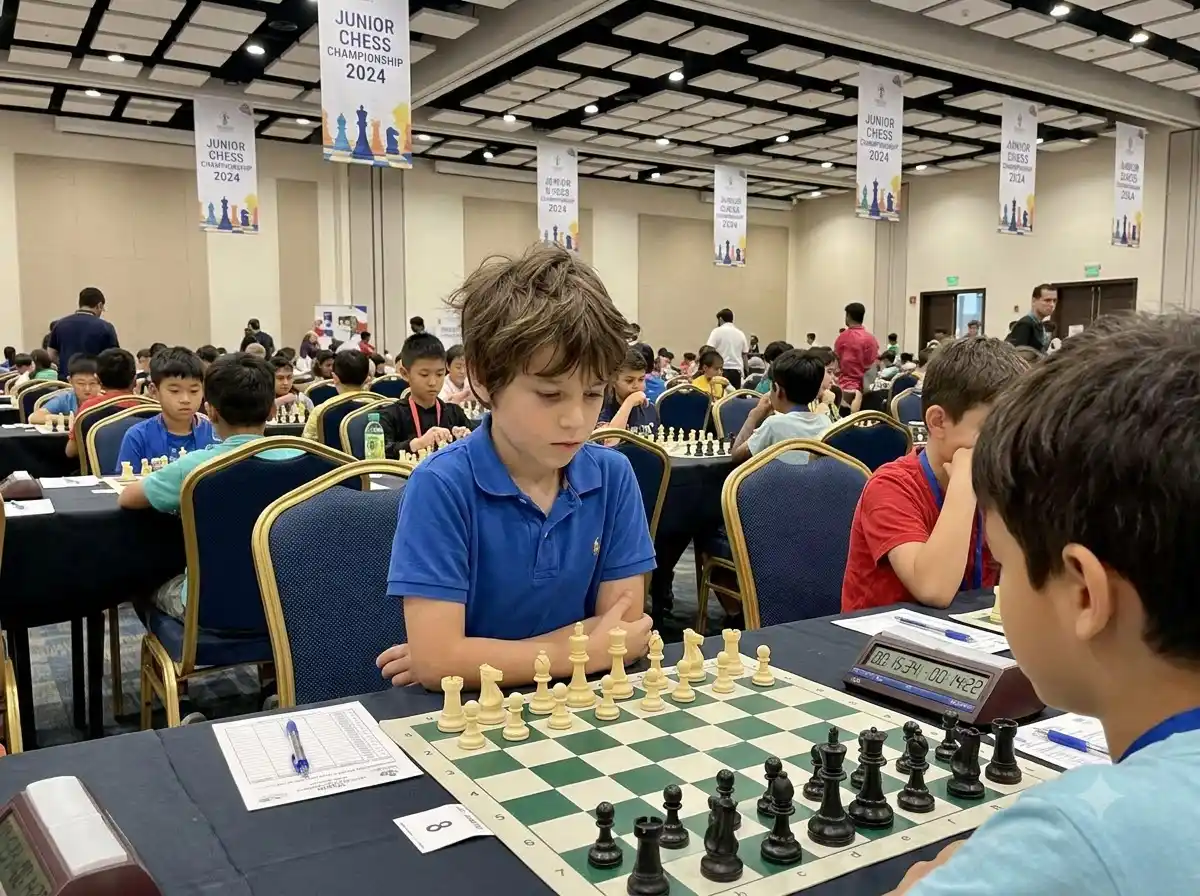
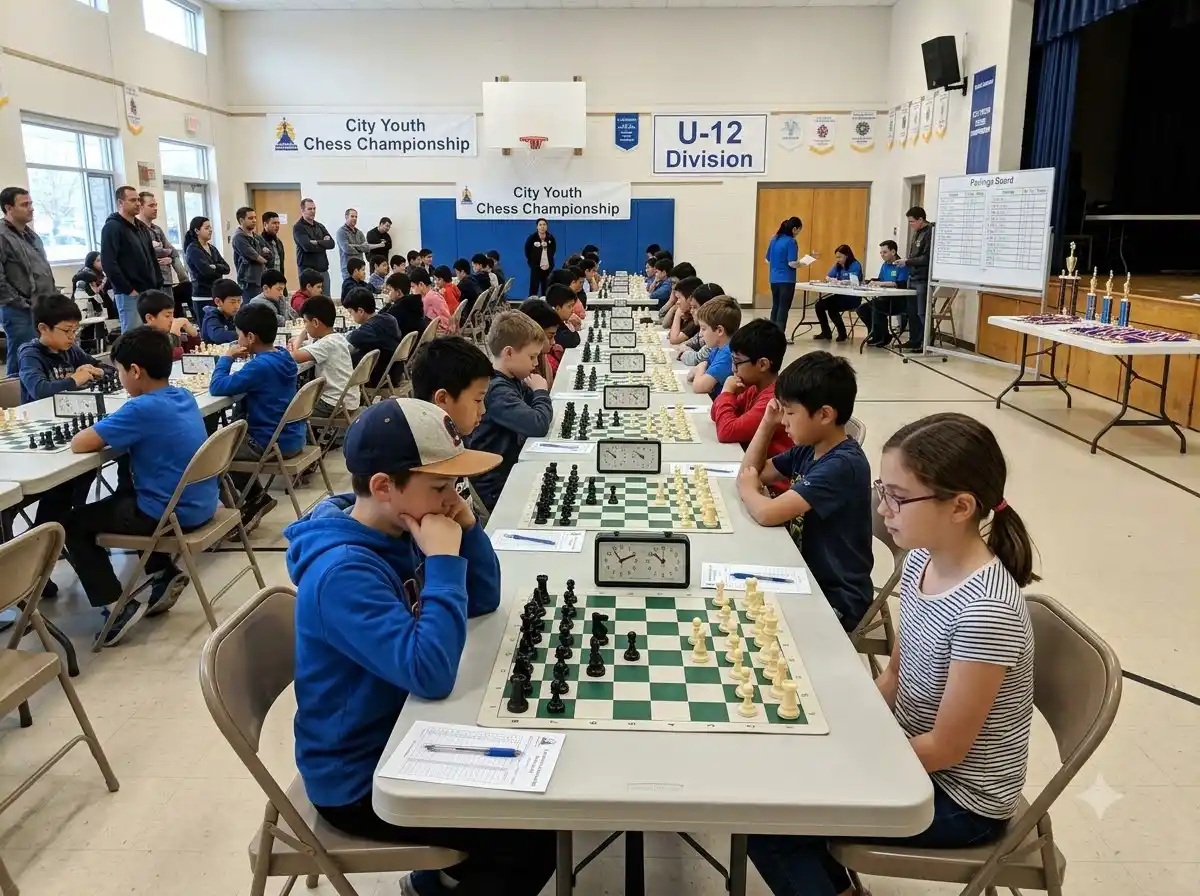
When it comes to chess, this quote could not be more true. Your child will play their chess tournament exactly the way they practice at home. If they practice with focus, they will play with focus. If their practice is messy, their tournament games will be messy too.
Many parents want to know the secret to winning more games, but the truth is that improvement starts in your living room. If you want to know how to practice chess at home the right way, you must first make sure you are not making these three common mistakes.
1. No Proper Practice Space
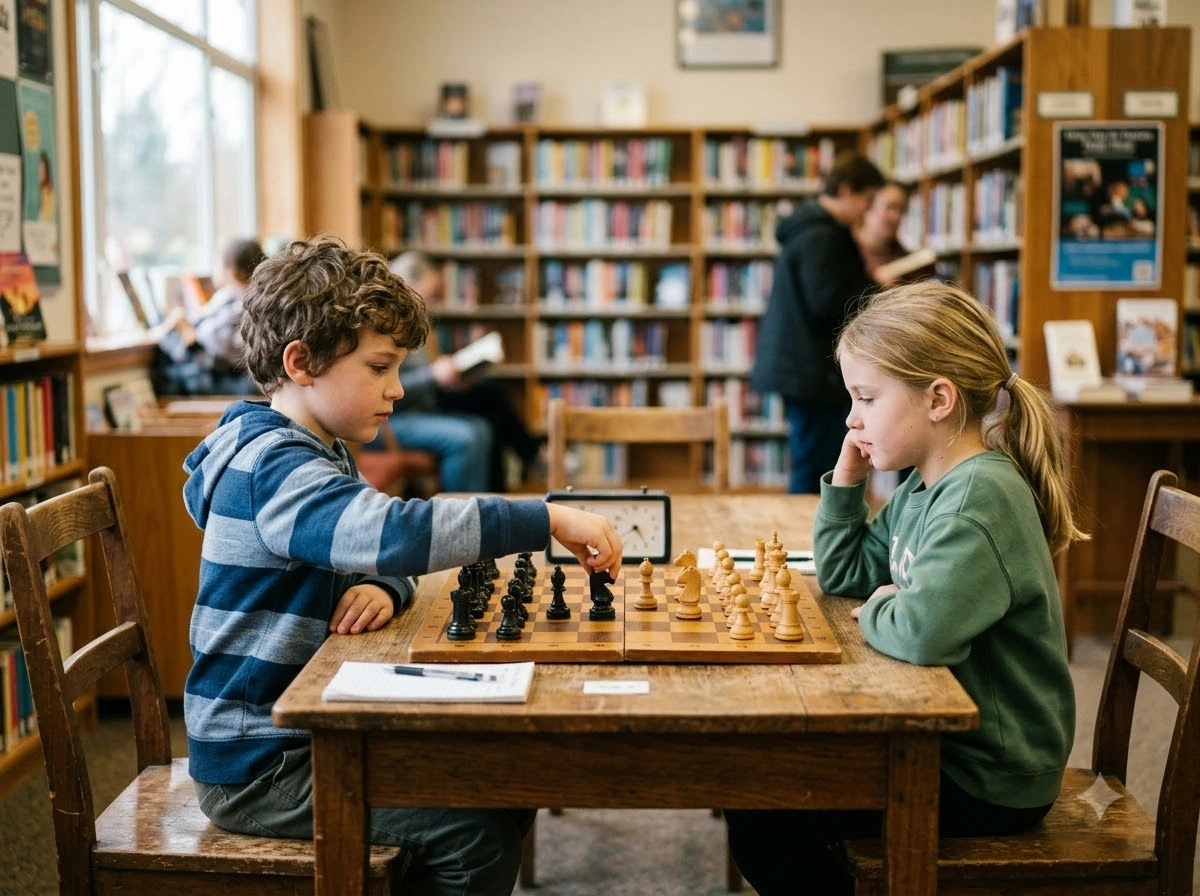
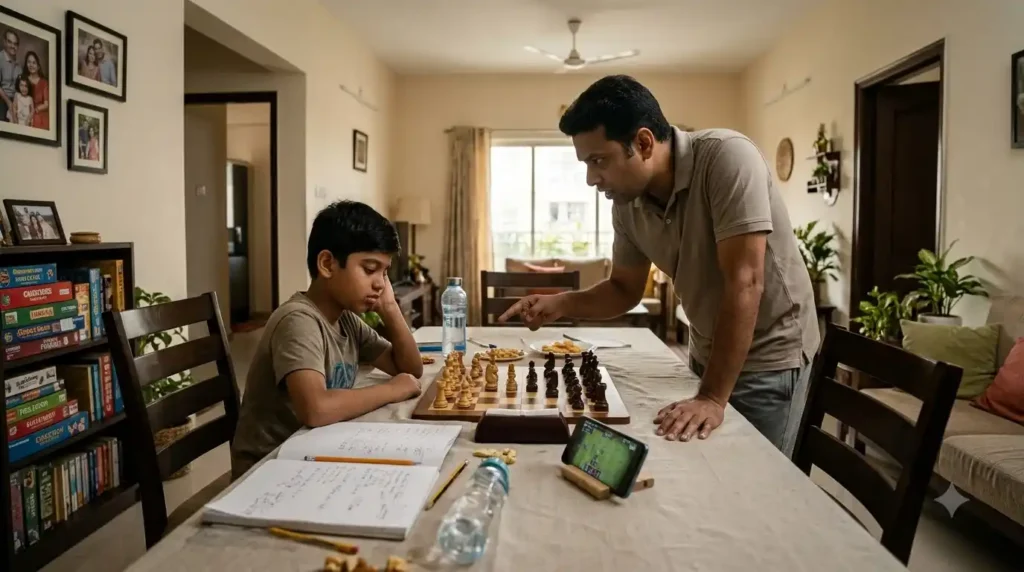
If there is no fixed place to learn and play chess at home, or if the space keeps changing every day, that becomes a big problem.
One day your child is playing on the dining table, the next day on the sofa, and the day after that on their bed. Children build habits around physical spaces. When they sit at a school desk, their brain knows it is time to study. When they sit in a dedicated chess spot, their brain knows it is time to focus.
The Fix: Create a specific, quiet corner just for chess. No fixed space means no fixed habit.
2. No Routine
Chess practice happening at random times is another major roadblock. Sometimes your child plays in the afternoon, sometimes late in the evening, and never at the same hour.
Becoming a strong chess player takes deep discipline, and discipline is built by repetition. Random timing works against this. When practice happens randomly, it feels like a chore instead of a natural part of the day.
The Fix: Set a daily schedule. Whether it is 30 minutes after school or right before dinner, pick a time and stick to it. If you want to take their routine to the next level, enrolling them in structured online chess classes for kids guarantees a fixed, professional learning schedule every week.
3. A Distracting Environment
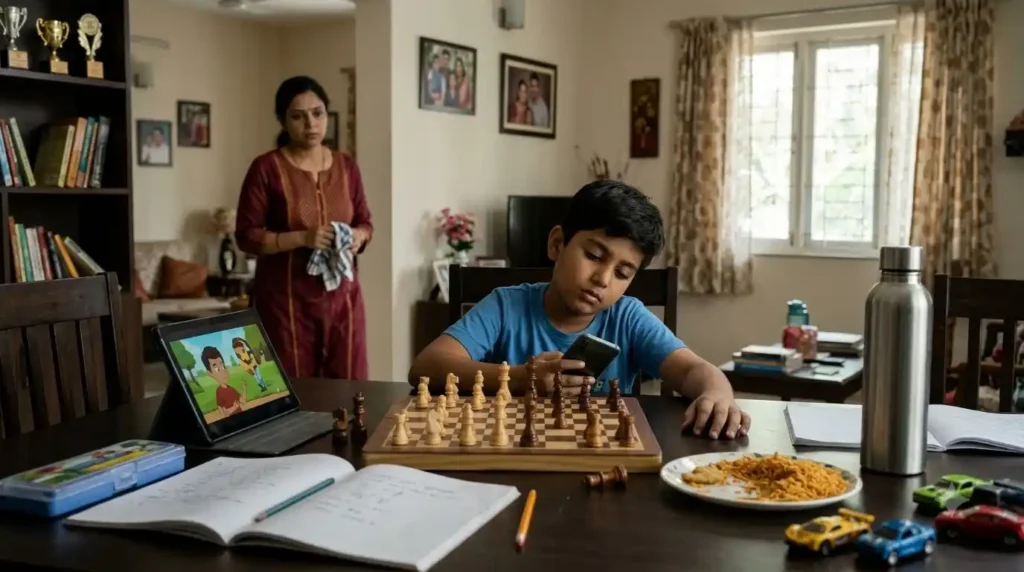
This is the most common mistake of all. Having TV noise in the background, a phone buzzing next to the chessboard, or watching reels and shorts between every single game ruins concentration.
All of these distractions shorten a child’s attention span. A short attention span shows up directly in tournaments. If a child is used to checking their phone every five minutes at home, they will lose patience during a long, quiet tournament match. When comparing online chess vs board chess, the environment you create around the board is what truly dictates how well they learn.
The Fix: Keep the chess space completely screen-free (unless they are attending an online class). Remove the phone, turn off the TV, and let them focus deeply on the board.
Conclusion: Control the Process
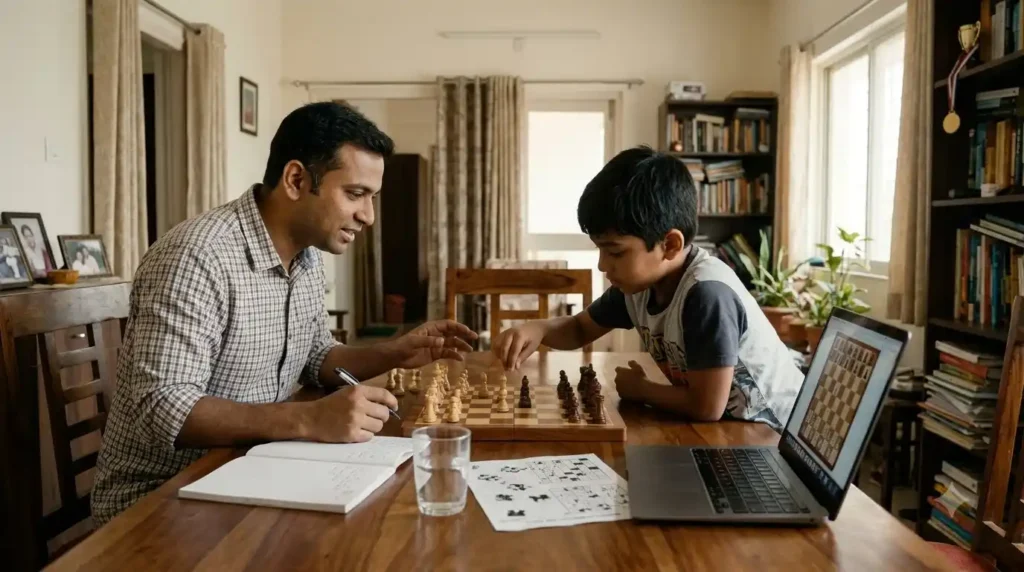
We cannot control how our child plays in a chess tournament. We cannot control the opponent they face or the mistakes they might make under pressure.
However, we can control the process at home. By fixing their space, setting a routine, and removing distractions, you give your child the best possible environment to succeed.
If this made sense, save this guide and share it with a parent who needs to hear it!
Building the right habits at home is the first step, but pairing that environment with professional guidance will truly unlock your child’s potential. If you are ready to take their skills to the next level, reach out to us to see how the expert coaches at Venture Chess Academy can support your child’s chess journey.
Frequently Asked Questions (FAQs)
For beginners, 20 to 30 minutes of focused daily practice is much better than practicing for two hours only one day a week. Consistency is the key to building good habits.
Yes, but they should treat it like a real game. Put the device on “Do Not Disturb” mode to block notifications, and ensure they are sitting at a proper desk rather than lying in bed.
The best way to improve is a mix of playing games, solving tactical puzzles, and learning from a coach. Creating a distraction-free environment ensures they actually absorb what they are learning.
You do not need to be a chess expert to help your child improve. Your role as a parent is to manage their environment. Ensure they have a quiet space, help them stick to their daily routine, and consider enrolling them in online chess classes for kids. Professional FIDE rated coaches will handle the technical teaching while you facilitate the practice habits.
Generally, it is best to avoid music with lyrics or loud beats, as it contributes to a distracting environment. If your child prefers background noise, soft instrumental or classical music is acceptable, but practicing in complete silence is the best way to simulate real tournament conditions.