
How To Win Chess Without Losing a Piece
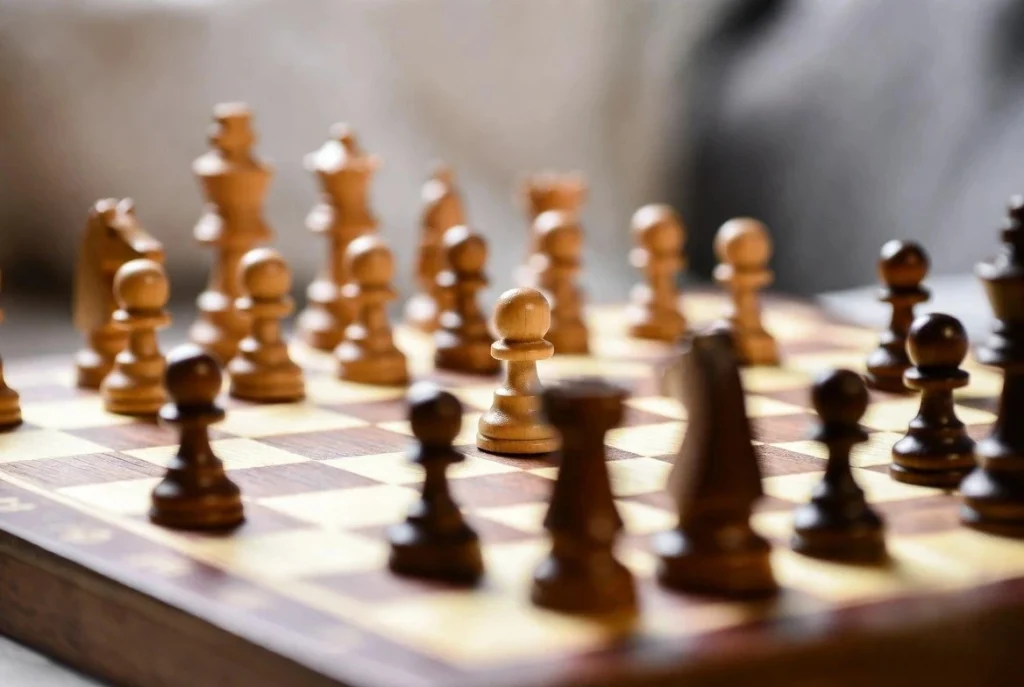
Picture ending a chess game with all your pieces still on the board—no losses, no mistakes, just complete control. Winning without losing a piece is the peak of skill, showing deep understanding, precise play, and total dominance. While it’s uncommon at the highest level (most games involve piece exchanges), it’s still possible with careful planning, […]
Greatest Queen Sacrifice In Chess History
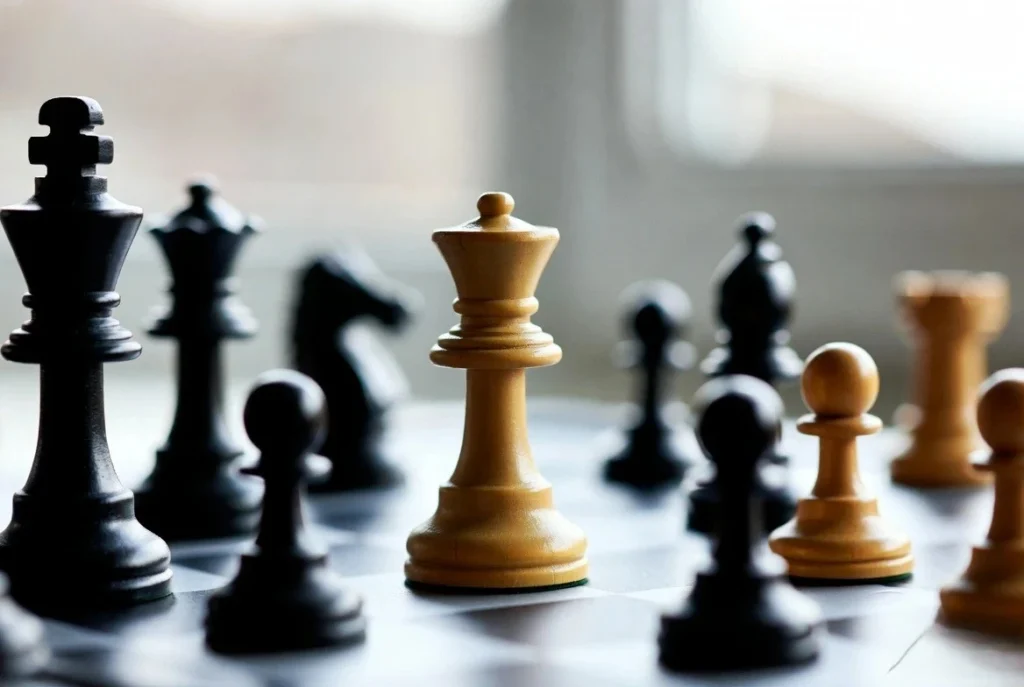
Queen sacrifices are among the most impressive moments in chess, instances where a player gives up the most powerful piece on the board to launch an unstoppable attack, create a powerful tactical move, or achieve lasting glory. These moves aren’t just about calculations; they show bravery, creativity, and a deep understanding of the board. From […]
Beating King’s Pawn with Brilliant Moves
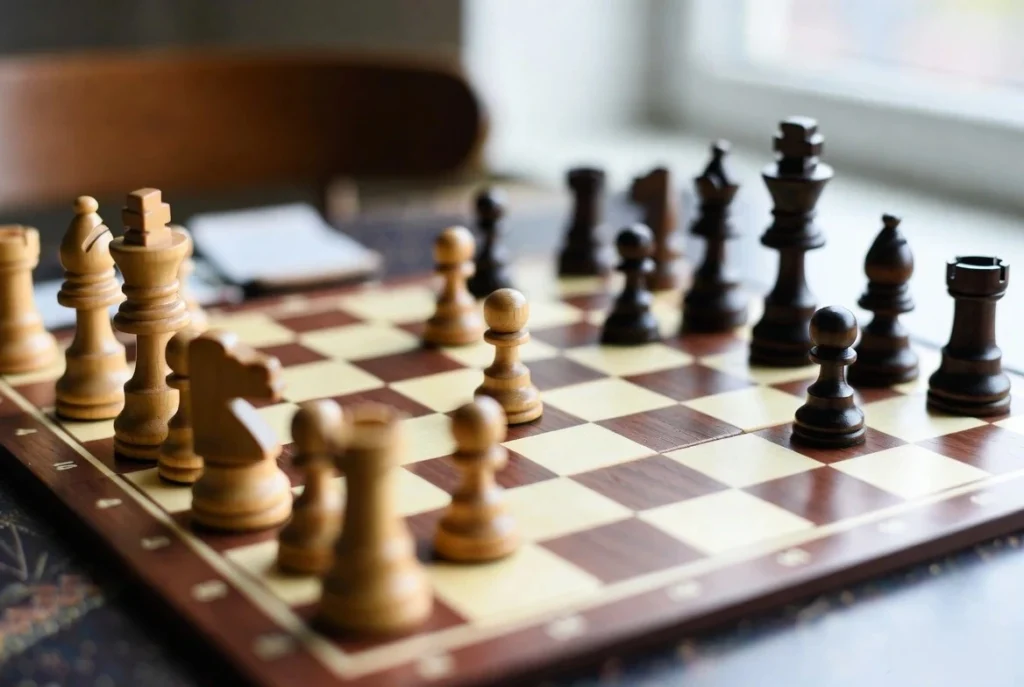
The King’s Pawn Opening (1.e4) is one of the most popular moves in chess, used in more than half of the games played by top players on Lichess. It gives White control of the center and helps develop pieces quickly. But Black has strong responses. Moves like the Sicilian (1…c5) have a high chance of […]
Top 7 Englund Gambit Traps Every Aggressive Player Should Know

The Englund Gambit (1.d4 e5) is a bold move by Black in response to the Queen’s Pawn Opening. It involves sacrificing a pawn right away to gain quick development, active pieces, and a strong attack on the kingside. Named after the Swedish player Fritz Englund, it’s considered unsound by computer analysis (typically giving Black a […]
5 Easy steps to Evaluate a chess postion
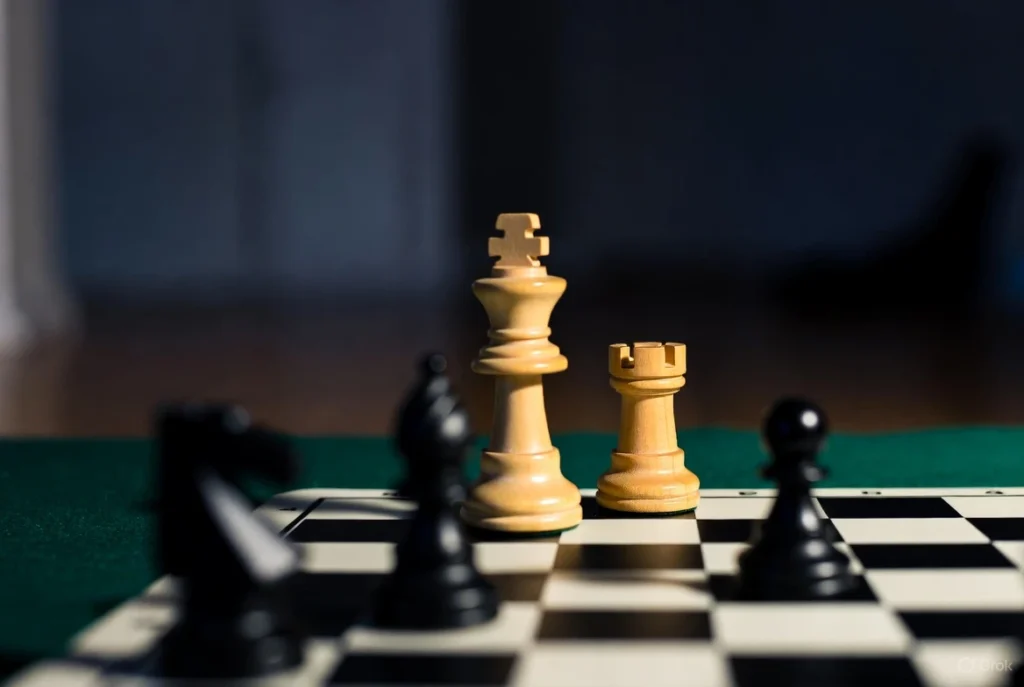
Evaluating a chess position is essential for becoming a strong player, helping you figure out who has the upper hand and how to create a winning plan. While beginners often focus on tactics and winning pieces, top players, such as those who excel in Bengaluru’s lively chess community at places like the Bangalore Chess Academy […]
6 Sneakiest Chess Opening Traps to Get a Fast Checkmate
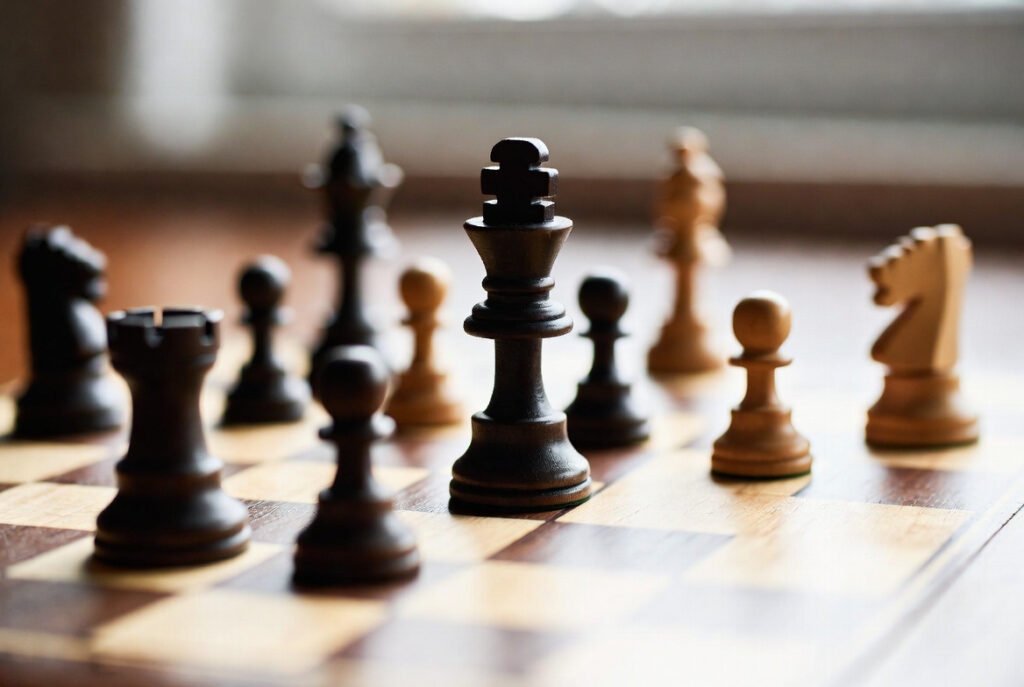
Chess openings are where games are often decided for beginners and club players especially when your opponent falls into one of these sneaky traps that can lead to a quick checkmate. These aren’t just tricks; they’re solid tactics that have been used throughout chess history. They take advantage of greedy moves, poor piece development, and […]
How to Trap a Queen in Chess?
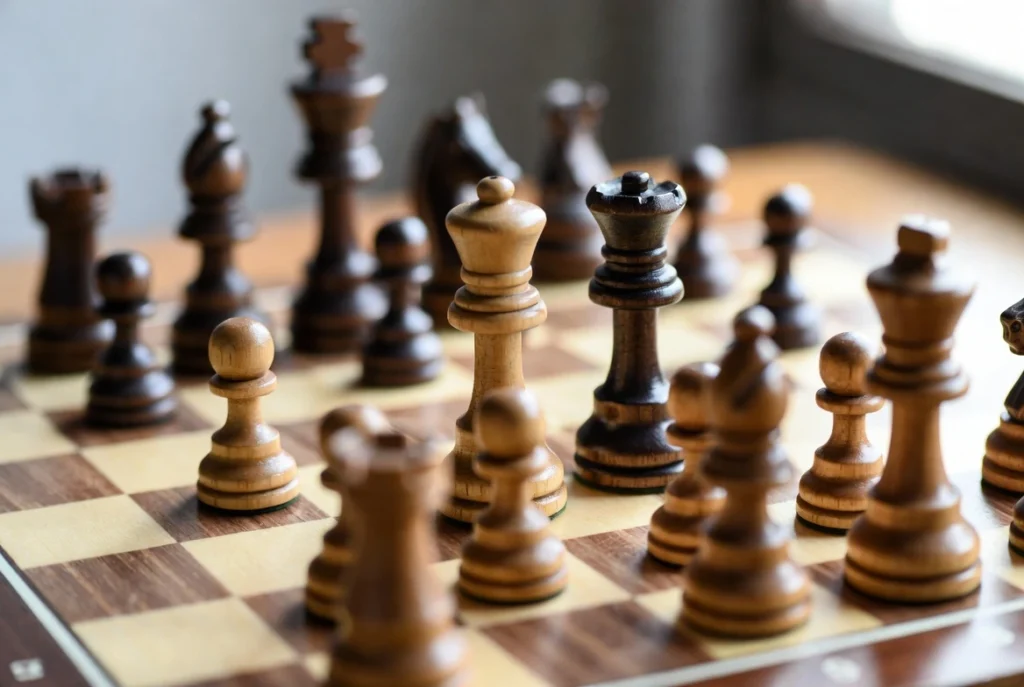
Trapping a queen in chess is one of the most exciting and game-changing moves, often shifting a balanced game into a winning position. The queen, worth 9 points, is the most powerful piece on the board. Losing it leaves your opponent in a weakened position, struggling to find counterplay while you take control. These traps […]
How to Analyze Your Chess Games Effectively
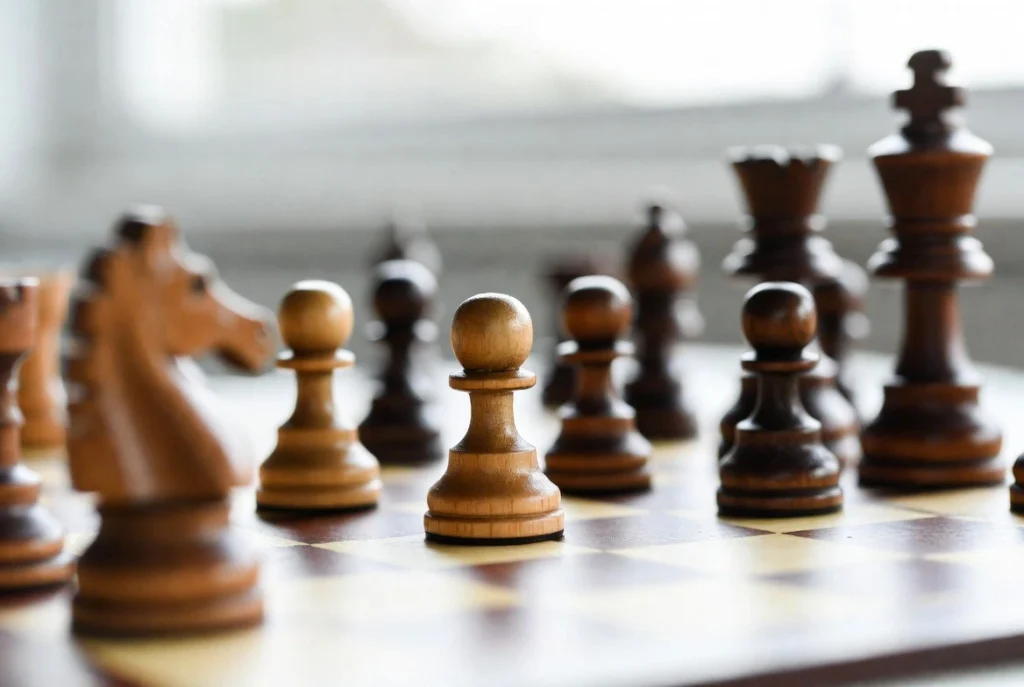
Analyzing your chess games is the best way to improve. It helps you turn losses into lessons and wins into stronger play. While playing gives you experience, analyzing your games shows you why you won or lost, which makes your decisions sharper in different parts of the game, openings, middlegames, and endgames. Players who regularly […]
Top 5 Most Powerful Chess Tactics for Kids
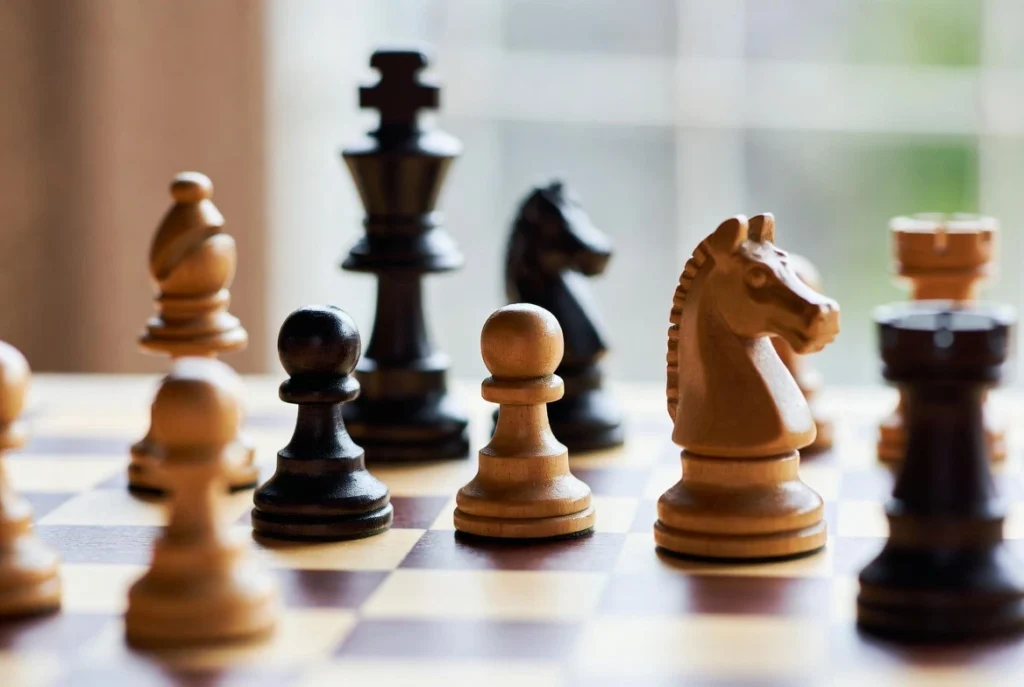
Hey, young chess heroes! Think of your chess pieces like a team of cool warriors. Knights are fast horses, bishops are wizard-like with powerful moves, and the queen is the ultimate boss. But what really helps you win? **Tactics**! These are special moves that let one piece attack two enemies at once or stop them […]
Ultimate Guide to Chess Endgames for Beginners
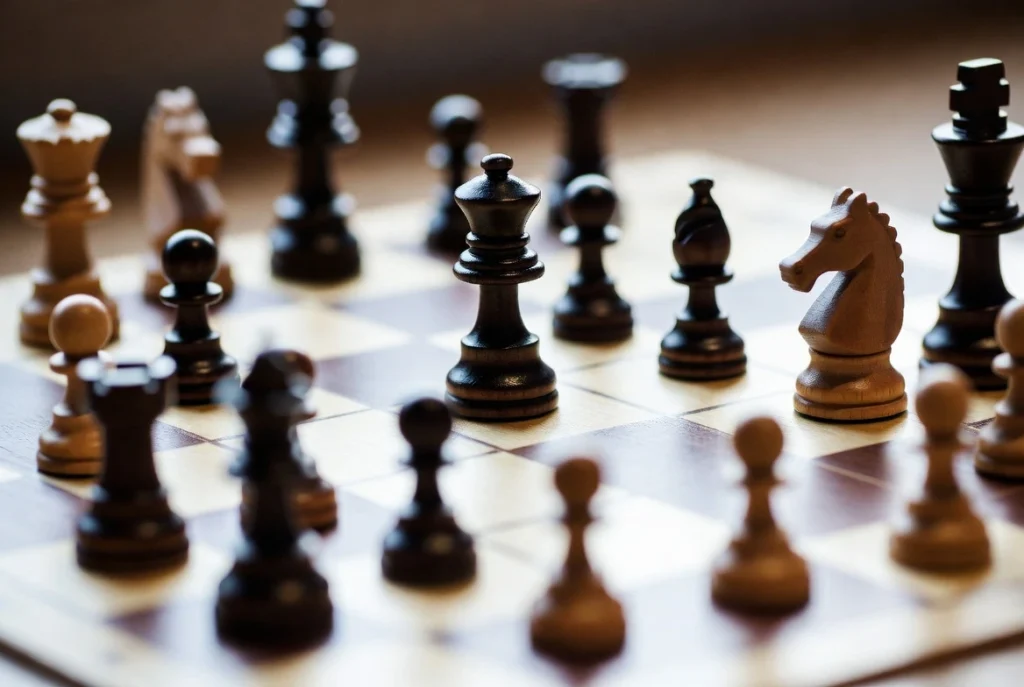
Chess endgames can seem scary for new players, but they’re where the real outcomes of a game are decided. While openings are exciting and middlegames are full of action, endgames require careful play and teach important skills that improve your overall game. For beginners with a rating between 800 and 1400 Elo, learning the basics […]