Checkmate is the ultimate goal in chess. While some games are won through long strategic battles, many are decided by sharp tactical strikes that end in beautiful checkmate patterns. The ability to recognize common checkmate patterns quickly is one of the most valuable skills any chess player can develop. It helps you spot winning opportunities in your own games and defend effectively against your opponent’s threats.
In this comprehensive guide, we’ll explore the most important checkmate patterns every chess player should know, from beginner traps to elegant classics.
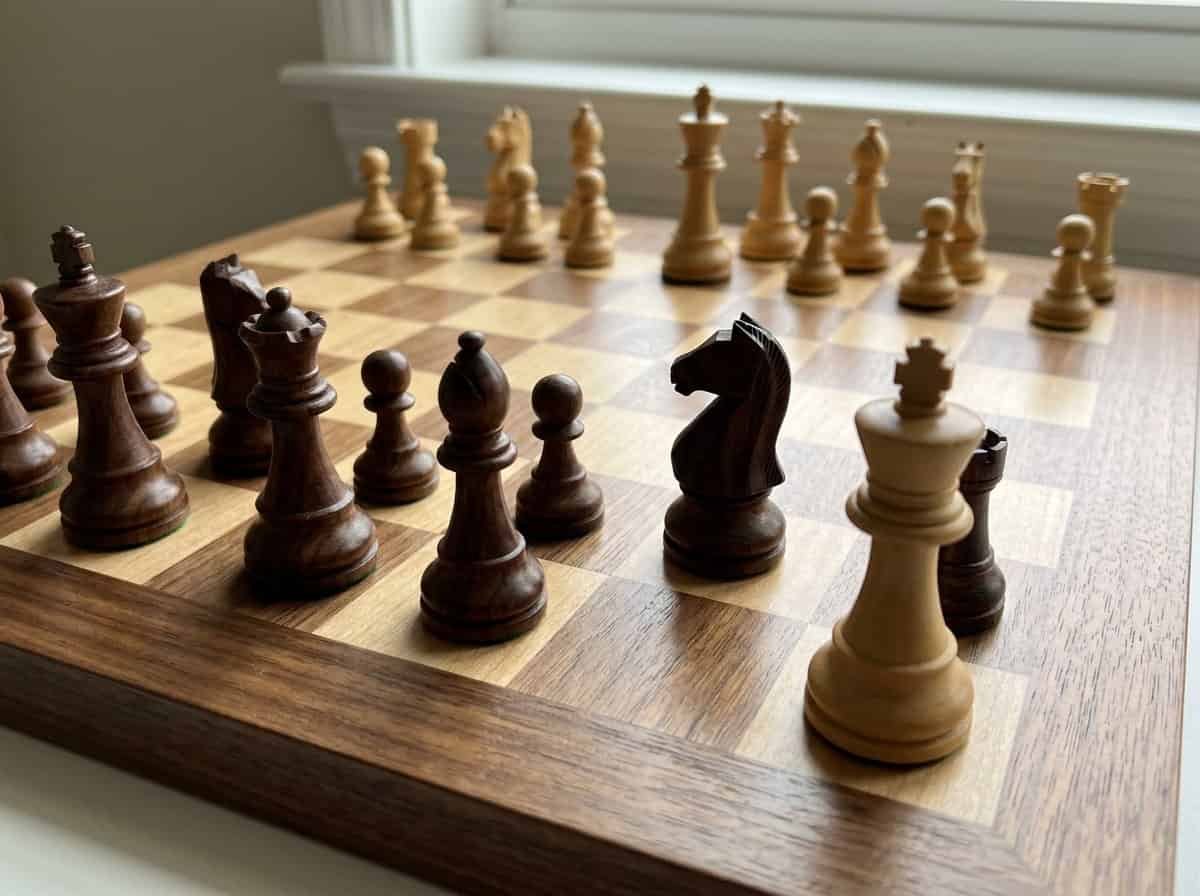
Introduction
Recognizing checkmate patterns is like learning the vocabulary of chess tactics.
Once you internalize these patterns, you will start seeing them automatically during games. This dramatically improves your calculation speed and tactical vision.
From the simple Scholar’s Mate to the elegant Anastasia’s Mate or the crushing Smothered Mate, each pattern has its own logic and beauty.
Mastering them will help you finish games faster and avoid falling victim to them yourself.
Understanding Checkmate Patterns
A checkmate pattern is a recurring arrangement of pieces that forces the opponent’s king into a position where it is in check and has no legal moves to escape.
These patterns usually involve a small number of pieces working together with precise coordination.
The key to mastering checkmate patterns is:
– Recognizing the geometry of the pieces involved.
– Understanding the squares the enemy king is restricted from.
– Spotting the “mating net” early.
Let’s explore some of the most important and beautiful checkmate patterns.
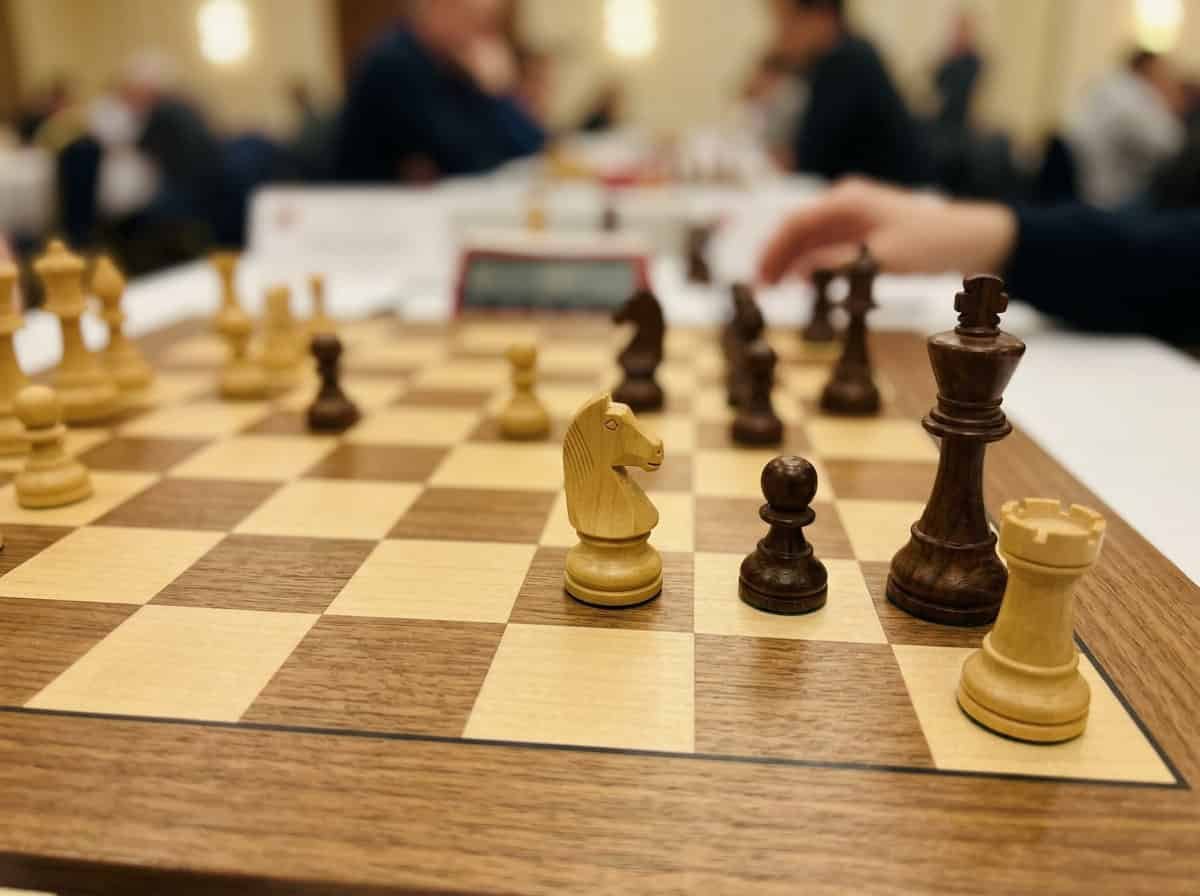
Anastasia's Mate: Knight and Rook Coordination
Anastasia’s Mate is a classic pattern involving a knight and a rook (or queen).
The knight controls two escape squares while the rook delivers check along a file, with the enemy’s own pieces blocking the king’s escape.
Typical setup: The enemy king is on the edge of the board (usually the h-file or a-file).
A knight on f6 or b6 controls key squares, and a rook swings to the edge file for the final blow.
This mate often occurs after a rook lift or a sacrifice to open the file.
It’s especially common in kingside attacks.
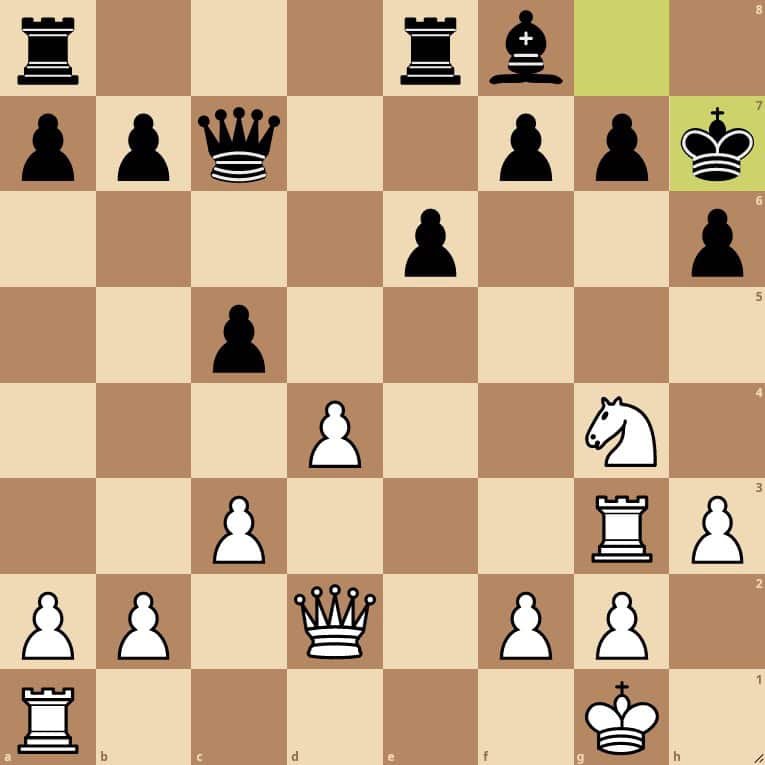
Arabian Mate: Ancient Tactical Pattern
One of the oldest known checkmate patterns, the Arabian Mate uses a rook and a knight working in perfect harmony.
The rook controls an entire rank or file, while the knight protects the rook and covers the king’s escape squares.
It usually happens in the corner of the board (a8 or h1). The beauty of this mate lies in its simplicity and efficiency just two pieces are enough to trap the king.

Back-Rank Mate: Exploiting the Back Rank
The Back-Rank Mate is perhaps the most common and important pattern for club players to know.
It occurs when the enemy king is trapped on its back rank by its own pawns, and a rook or queen delivers check on that rank with no escape.
This mate punishes players who castle but forget to create “luft” (air) for their king by moving a pawn (usually the h-pawn) forward.
Always watch for open files leading to the back rank.
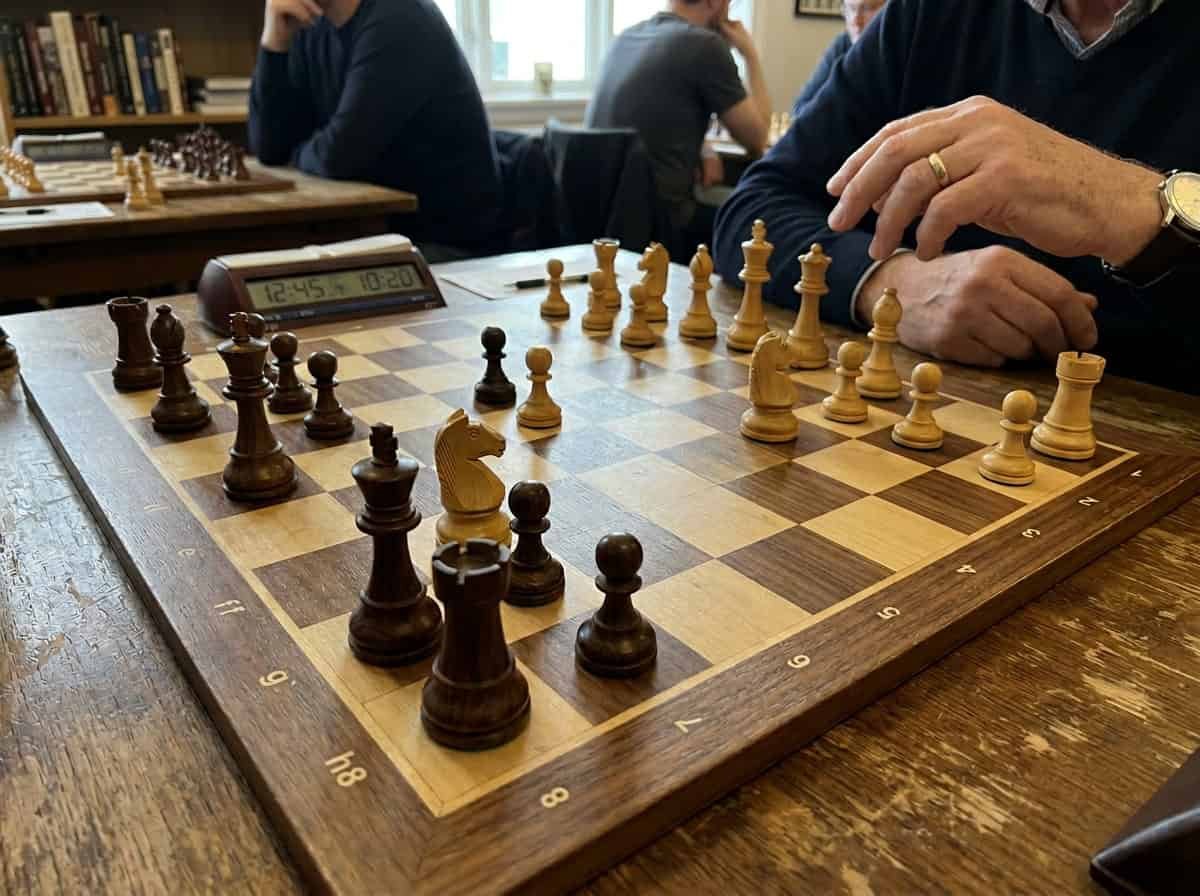
Smothered Mate: Trapping the King with a Knight
The Smothered Mate is one of the most spectacular patterns in chess.
The enemy king is completely surrounded (“smothered”) by its own pieces, usually after castling, and a lone knight delivers the final checkmate.
The most famous version is Philidor’s Legacy, in which a queen sacrifice forces the king into a corner, followed by a knight checkmate.
It’s visually stunning and highly effective in blitz games.
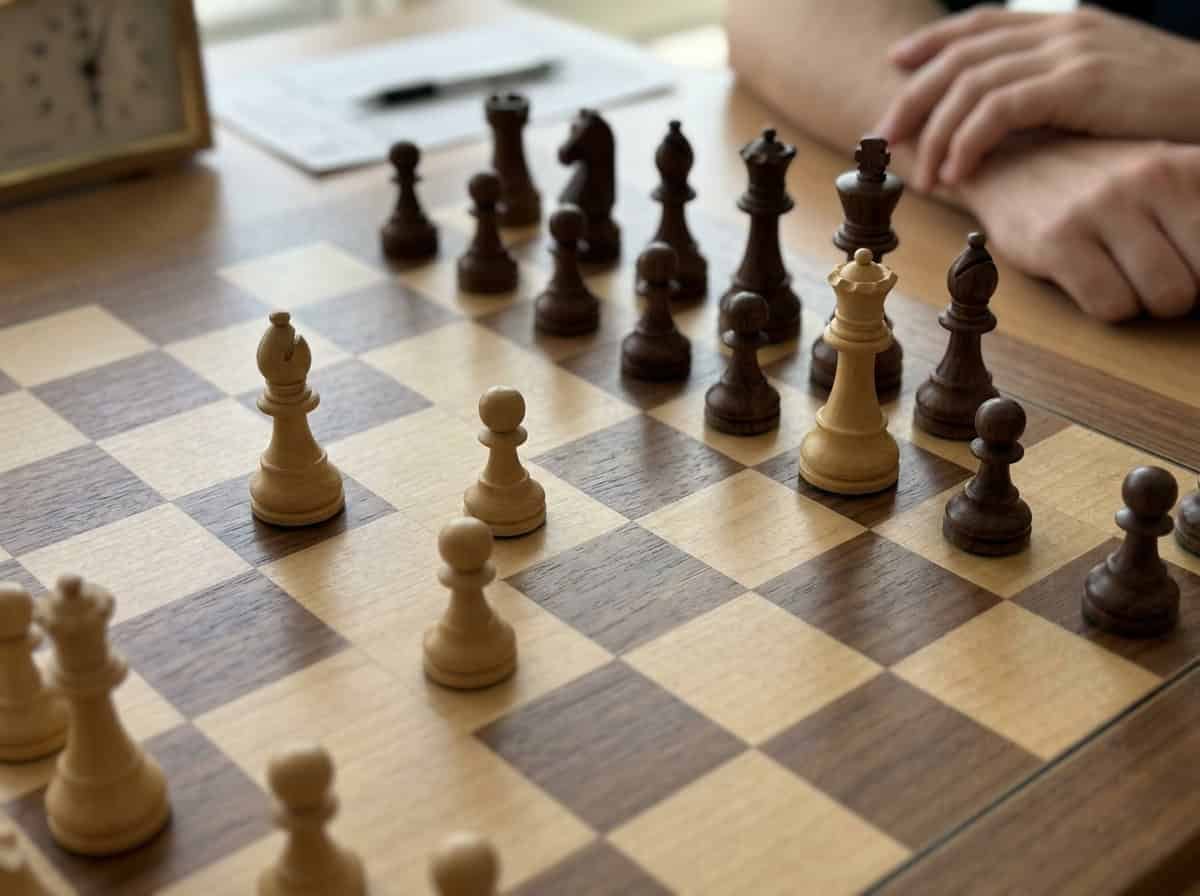
Scholar's Mate: The Classic Four-Move Trap
Scholar’s Mate (1.e4 e5 2.Qh5 Nc6 3.Bc4) is the first checkmate pattern most beginners learn. White aims to deliver mate on f7 using the queen and bishop.
While easily defended by experienced players (with 3…g6 or 3…Nf6), it remains a constant threat at beginner levels.
Recognizing and punishing Scholar’s Mate attempts teaches valuable lessons about development and king safety.
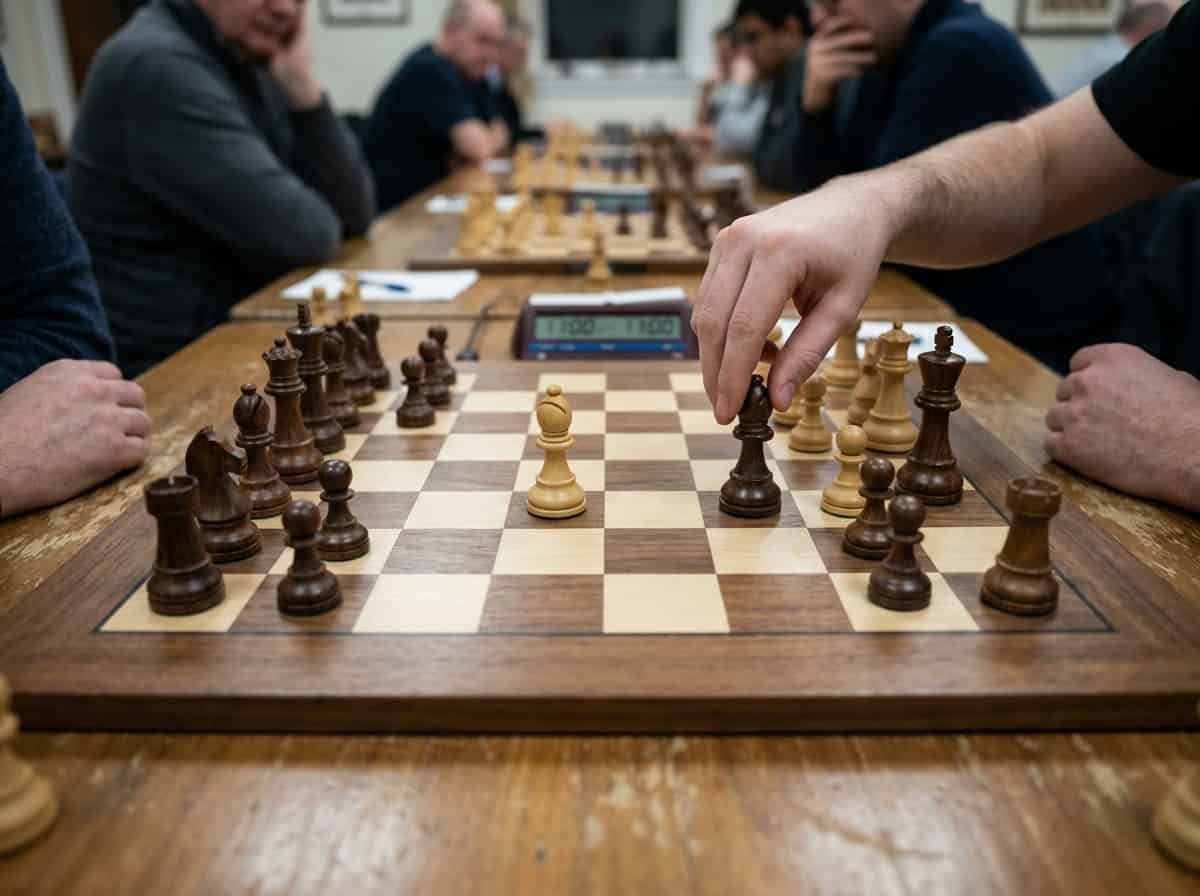
Boden's Mate: Criss-Crossing Bishops
Boden’s Mate is delivered by two bishops on criss-crossing diagonals.
The enemy king is usually castled queenside, and the bishops control the escape squares while a rook or queen supports the attack.
This pattern is elegant and deadly, often arising after sacrifices to open diagonals.
It rewards players who understand the long-range power of bishops.
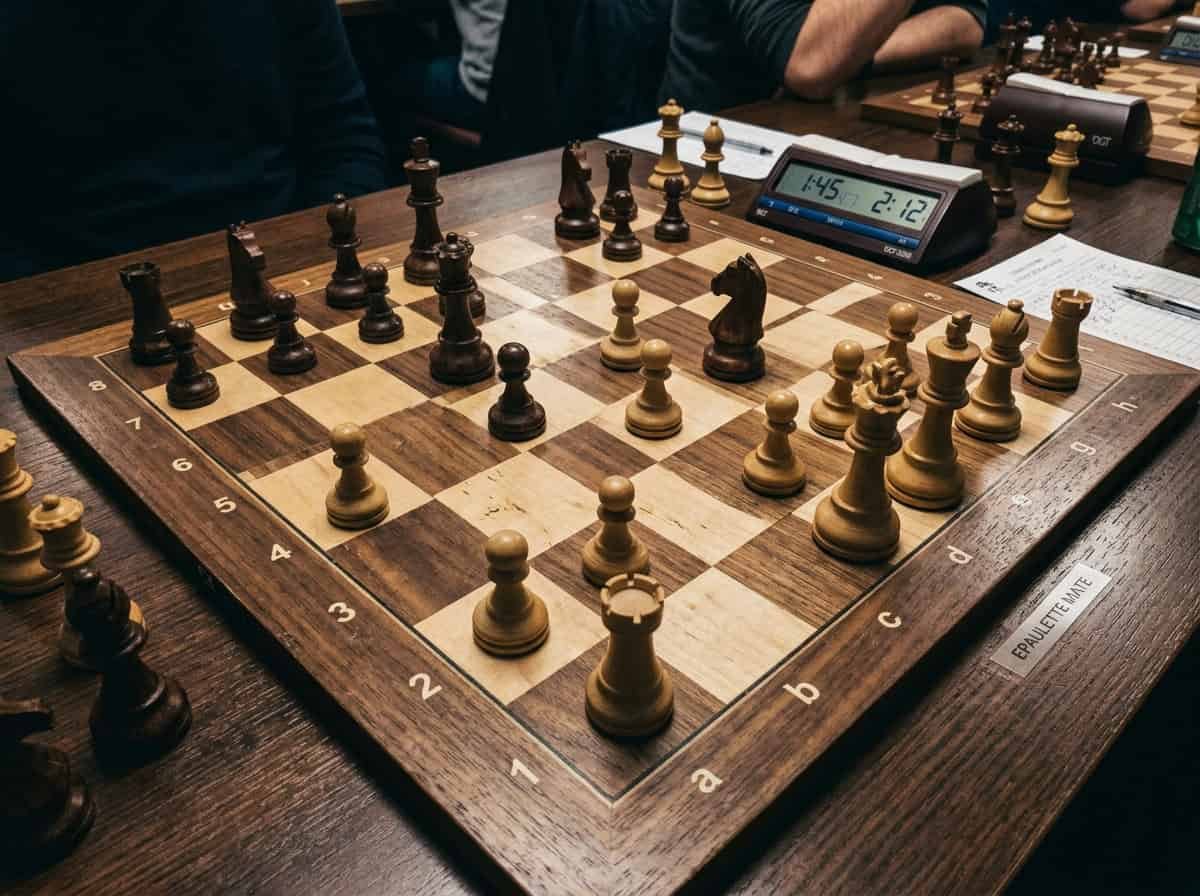
Epaulette Mate: Symmetry in Checkmate
The Epaulette Mate gets its name from the way the king’s own rooks (or other pieces) sit on either side like military epaulettes on a uniform.
The king is trapped in the center or on the back rank, blocked by its own pieces on both sides, while a queen or rook delivers checkmate down the middle file.
This pattern highlights the danger of a piece blocking its own king’s escape.

Opera Mate: Rook and Bishop Coordination
The Epaulette Mate gets its name from the way the king’s own rooks (or other pieces) sit on either side like military epaulettes on a uniform.
The king is trapped in the center or on the back rank, blocked by its own pieces on both sides, while a queen or rook delivers checkmate down the middle file.
This pattern highlights the danger of a piece blocking its own king’s escape.
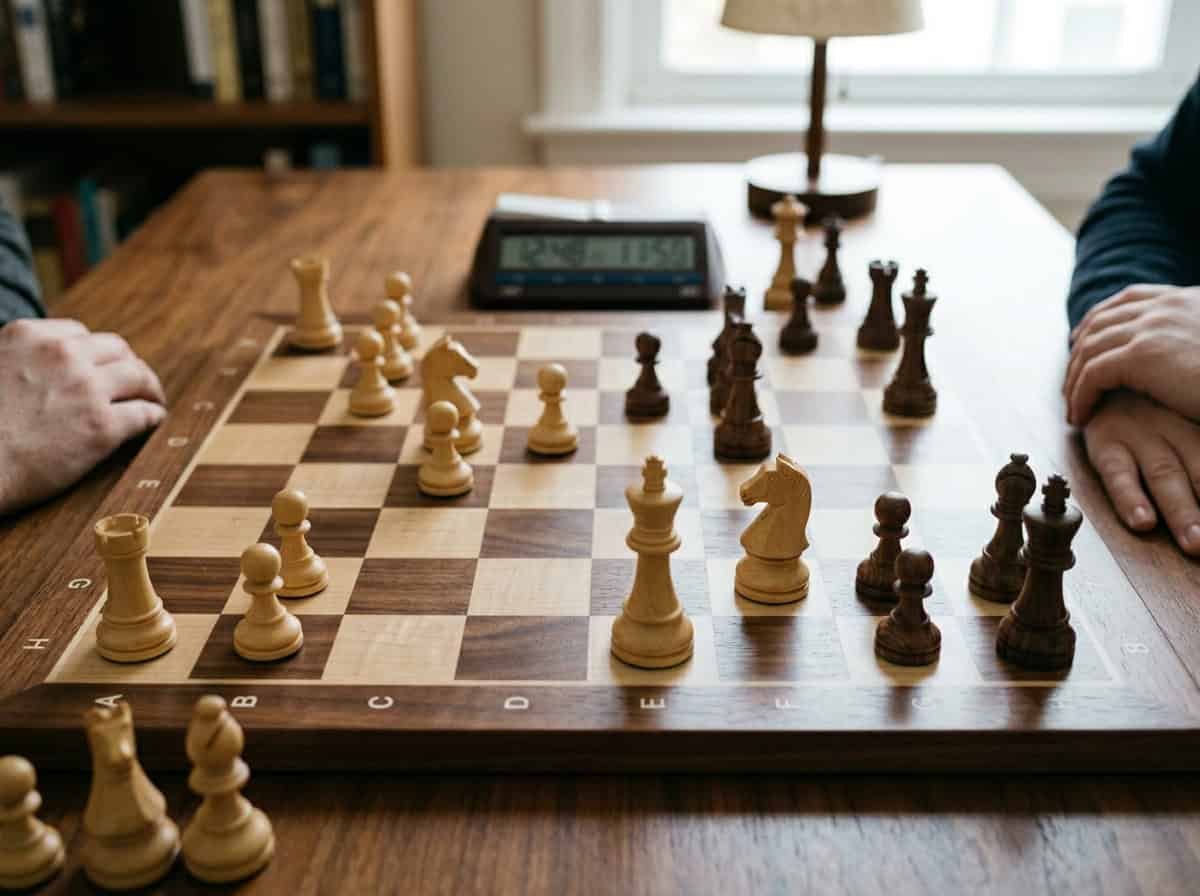
Swallow's Tail Mate:
The king is blocked by two pawns that look like a swallow’s tail.
A queen or rook delivers mate.
Dovetail Tail Mate:
Similar in appearance, but the blocking pawns form a dovetail shape.
Both are elegant queen mates that often occur in the endgame or after heavy piece trades.
Practical Exercises to Recognize and Execute Patterns
To improve your pattern recognition:
- Solve 20–30 checkmate puzzles daily on venturechessacademy.com or Lichess.
- Study famous games featuring these mates (Morphy’s Opera Game, Anderssen’s Immortal Game).
- Practice “mate in 2” and “mate in 3” puzzles focused on specific patterns.
- Play training games where you deliberately look for these mating nets.
The more you train, the faster you will spot these opportunities in real games.
Free Demo Class for Kids
Conclusion
Learning different checkmate patterns is one of the quickest ways to boost your tactical awareness and increase your chances of winning.
From the straightforward Scholar’s Mate to the stylish Anastasia’s Mate and the impressive Smothered Mate, each pattern gives you important knowledge about how to coordinate your pieces, protect your king, and launch an effective attack.
Make it a habit to study these patterns regularly.
With constant practice, you’ll begin to notice mating opportunities automatically during your games. Being able to spot and set up checkmates will not only help you win more games but also make your overall chess experience more fulfilling and enjoyable.
Start training today your next beautiful checkmate might be just a few moves away!
FAQ
Begin with the 8–10 most common ones (Back-Rank, Smothered, Scholar’s, Anastasia’s, Arabian, Boden’s, Epaulette).
Understanding these will help you handle most real-game situations.
No. Even advanced players use these patterns and sometimes fall into them, especially in quicker games.
Solve daily tactical puzzles on Lichess or venturechessacademy.com, focusing on “Mate in 1”, “Mate in 2”, and “Mate in 3” exercises.
The Back-Rank Mate is by far the most common at the club level.
Yes! Once you understand the setup of these patterns, you can use them in creative ways during your own games.
With daily practice (15–20 minutes), you can become very comfortable with the main patterns in 4–6 weeks.