Introduction: Understanding Beginner Struggles
Chess is a game of strategy, patience, and recognizing patterns but for newcomers, it can sometimes feel like the game ends before it even starts.
Quick losses can be upsetting, especially when it seems like there wasn’t much of a chance to fight back. The good news is that most of the mistakes beginners make are predictable and can be fixed. By learning the common reasons behind these early losses, new players can start forming better habits and greatly improve their game.
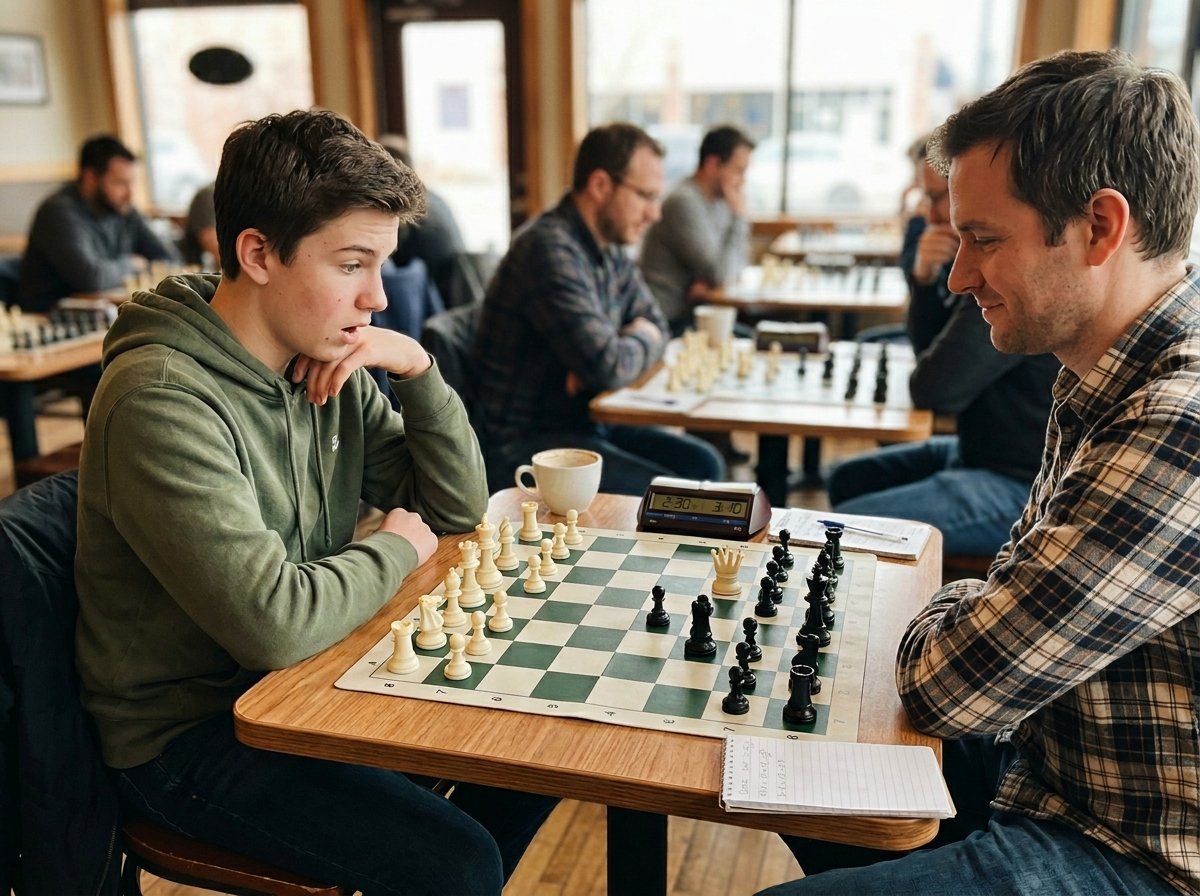
Ignoring King Safety and Delaying Castling
One of the most common mistakes beginners make is failing to protect their king.
Many new players focus too much on moving pieces around or attacking the opponent, leaving their king exposed in the center of the board.
Putting off castling can lead to an early checkmate, especially against an aggressive opponent.
If the king stays in the center, it becomes easy for the opponent to attack it from all sides. Castling early not only protects the king but also brings the rooks together, making them more useful.
Key Tip: Castle within the first 8 to 10 moves if possible to make sure your king is protected.
Hanging Pieces and One-Move Blunders
Hanging pieces are pieces left undefended and able to be captured without resistance.
Beginners often lose games simply because they fail to notice these simple threats.
One-move blunders happen when a player makes a move without thinking about what the opponent might do next.
This can result in losing important pieces, such as the queen, rook, or knight, without gaining anything in return.
Why does it happen:
– Not being fully aware of the board
– Moving too quickly without thinking
– Not checking the opponent’s threats
Key Tip: Before making each move, ask yourself, “What can my opponent do next?”
Failing to Control the Center
The center of the board, squares like e4, d4, e5, and d5, is the most important area in chess.
Beginners often ignore this and instead move pawns to the edges or place pieces in the wrong places.
Controlling the center allows your pieces to move more freely and take control of the board.
Without it, your position becomes cramped, and the opponent gets the advantage.
Common mistakes:
– Moving side pawns early without a reason (like a3 or h3)
– Avoiding central pawn advances (like e4 or d4)
Key Tip: Take control of the center early with pawns and knights.
Failing to Control the Center
The center of the board, squares like e4, d4, e5, and d5, is the most important area in chess.
Beginners often ignore this and instead move pawns to the edges or place pieces in the wrong places.
Controlling the center allows your pieces to move more freely and take control of the board.
Without it, your position becomes cramped, and the opponent gets the advantage.
Common mistakes:
– Moving side pawns early without a reason (like a3 or h3)
– Avoiding central pawn advances (like e4 or d4)
Key Tip: Take control of the center early with pawns and knights.
Failing to Control the Center
The center of the board, squares like e4, d4, e5, and d5, is the most important area in chess.
Beginners often ignore this and instead move pawns to the edges or place pieces in the wrong places.
Controlling the center allows your pieces to move more freely and take control of the board.
Without it, your position becomes cramped, and the opponent gets the advantage.
Common mistakes:
– Moving side pawns early without a reason (like a3 or h3)
– Avoiding central pawn advances (like e4 or d4)
Key Tip: Take control of the center early with pawns and knights.
Free Demo Class for Kids
Moving Too Quickly and Lack of Analysis
Many beginners play too fast, especially in online games.
They make moves without taking the time to think through the consequences.
Chess isn’t just about moving pieces, it’s about planning and calculating.
Rushing can lead to mistakes, missed chances, and poor positioning.
Signs of this problem:
– Making moves without thinking
– Frequent blunders
– Missing basic tactics
Key Tip: Take your time.
Even a few seconds of thinking per move can prevent big mistakes.
Not Recognizing Opponent’s Threats
A major reason beginners lose quickly is that they focus only on their own plans and ignore what the opponent is doing.
Chess is a two-player game; every move has a purpose.
If you don’t notice your opponent’s threats, you’ll fall into traps, lose material, or get checkmated.
Examples:
– Not seeing a checkmate threat
– Missing a fork or a pin
– Overlooking attacks on your queen
Key Tip: After your opponent moves, always ask, “What are they trying to do?”
Violating Opening Principles
Opening principles are there for a reason they help set up a strong position early in the game.
Beginners often ignore them, leading to weak setups.
Basic opening ideas:
– Control the center
– Develop your pieces quickly
– Don’t move the same piece too many times
– Castle early
Common beginner mistakes:
– Moving the queen too early
– Playing too many pawn moves
– Not developing pieces
Key Tip: Follow simple opening rules instead of memorizing complicated theory.
Getting Distracted by Greedy Pawn Grabs
Capturing pawns can seem harmless, but beginners often take them without thinking about the risks.
This greed can lead to traps and the loss of major pieces.
Example situations:
– Taking a pawn and falling into a trap
– Opening lines that leave your king exposed
– Losing development for a small gain
Key Tip: Not every pawn is worth capturing.
Always check the position before making a capture.
Poor Piece Development (Knights Before Bishops)
Efficient development of pieces is key in the early game.
Beginners often struggle with where and when to develop their pieces.
A helpful rule to follow is to develop knights before bishops.
Knights have fewer options and benefit from being placed early, while bishops can be developed more flexibly later.
Common issues:
– Leaving pieces on their starting squares
– Blocking your own pieces
– Repeating the same move over and over
Key Tip: Develop all your minor pieces, knights and bishops before starting any attack.
Emotional Play and Fear of Losing
Chess isn’t just a mental game it’s also an emotional one.
Beginners often panic after making an error or play too defensively out of fear.
Common emotional reactions:
– Rushing after a mistake
– Giving up too soon
– Avoiding risks completely
Fear of losing can prevent players from making confident, strong moves.
On the other hand, frustration can lead to reckless play.
Key Tip: Stay calm and treat each game as a chance to learn, not just as a win-or-lose situation.
Free Demo Class for Kids
Conclusion: Building Better Habits for Progress
Losing quickly in chess is a normal part of learning.
Every beginner goes through this stage. The key is to spot your mistakes, understand why they happened, and gradually work on improving.
Focus on the basics: make sure your king is safe, develop your pieces, control the center, and think carefully before making a move.
Don’t rush, and always watch out for your opponent’s threats. Over time, these habits will feel natural, and your games will last longer and become more competitive.
Remember, getting better at chess takes time.
Consistency, patience, and regular practice are the best ways to improve and become a stronger player.
FAQ
This usually happens because of simple mistakes, such as leaving pieces unprotected, failing to protect your king, or falling into obvious traps.
Focus on the basics and take your time while playing.
Before each move, take a second to check for threats.
Ask yourself what your opponent can do next and make sure your pieces are safe.
Protect your king and control the center.
These two ideas can make a big difference in your game.
No, it’s better to understand the main ideas behind openings rather than remember specific moves.
Focus on developing your pieces, controlling the center, and keeping your king safe.
It depends on how often you play and how well you learn from your mistakes.
Most beginners start to see progress within a few weeks with regular play and practice.
Yes, it’s completely normal.
Losing is part of the learning process. Every loss teaches you something useful.