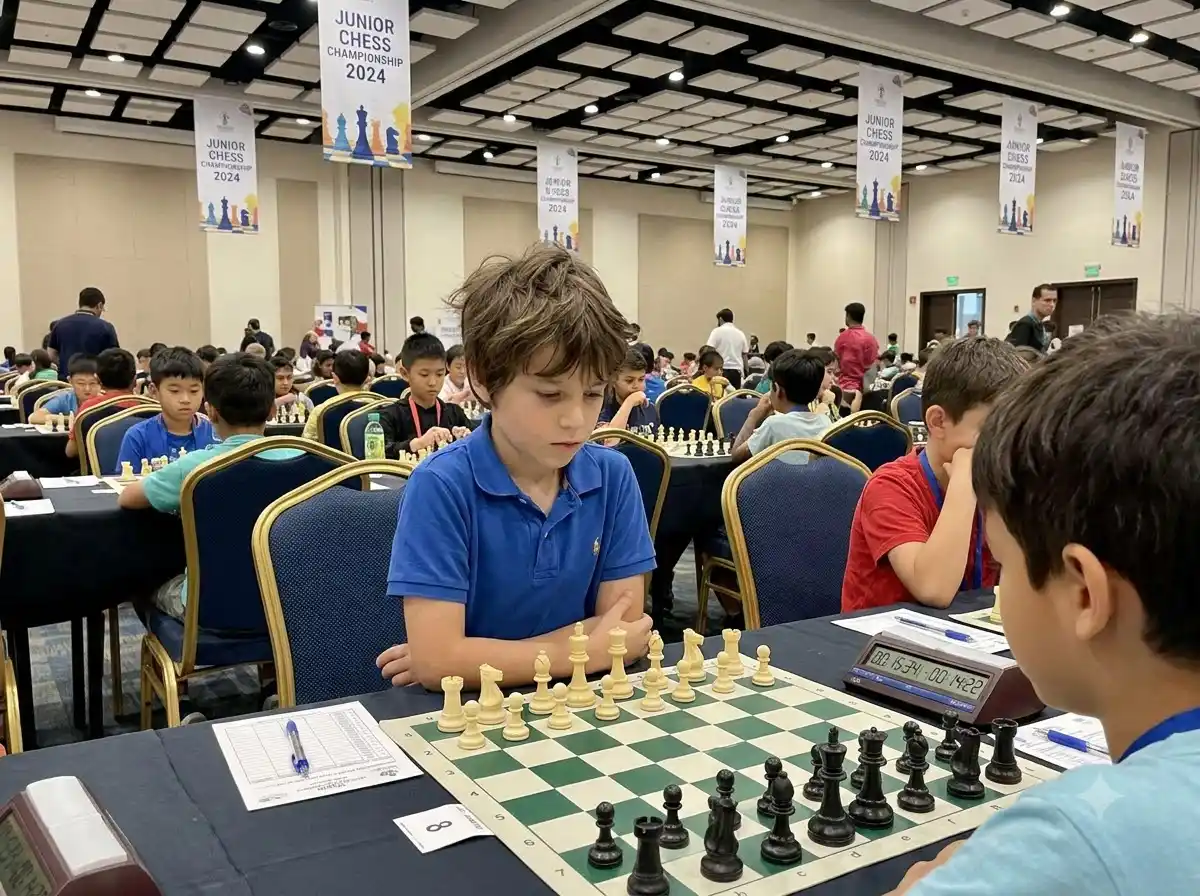
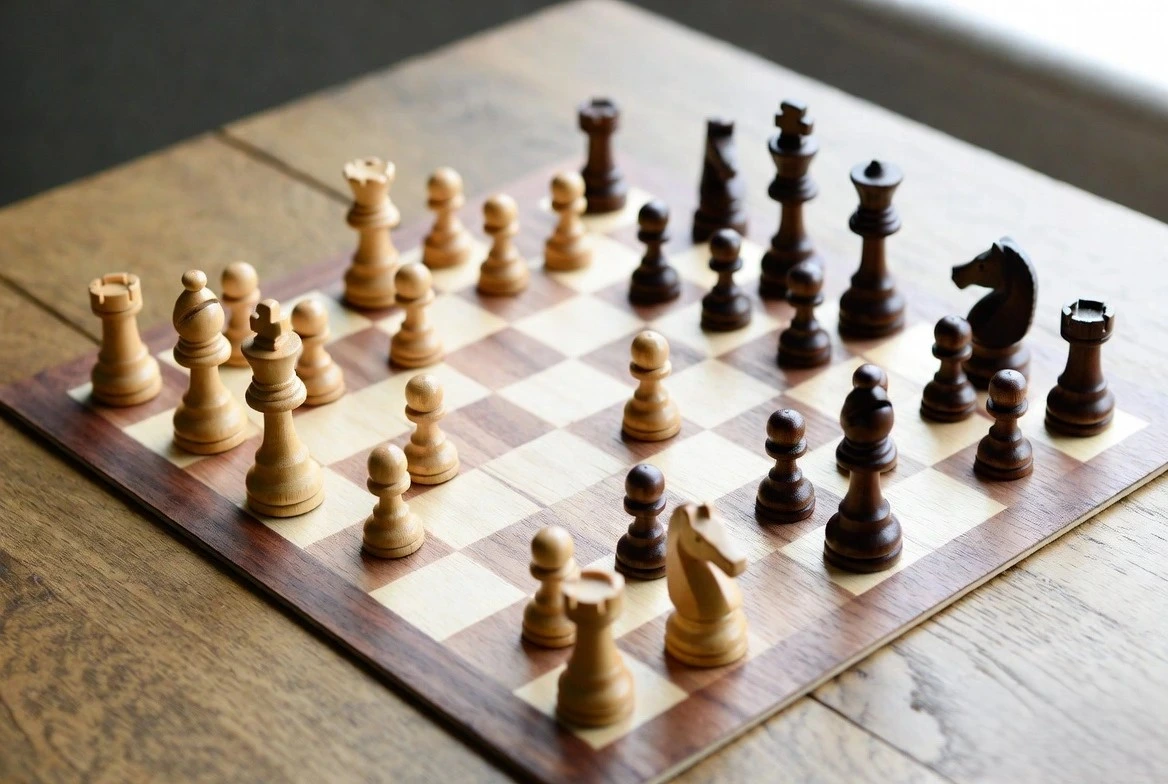
Picture ending a chess game with all your pieces still on the board no losses, no mistakes, just complete control.
Winning without losing a piece is the peak of skill, showing deep understanding, precise play, and total dominance. While it’s uncommon at the highest level (most games involve piece exchanges), it’s still possible with careful planning, steady pressure, and smart moves. This way of playing turns chess into a lesson in avoiding problems rather than fixing them. In this blog, we’ll share how to develop this “perfect safety” strategy.
What Does Winning Chess Without Losing a Piece Mean?
Winning without losing a piece means your opponent never captures any of your pieces pawns, knights, bishops, rooks, or queen throughout the entire game.
You might trade pieces on purpose, but none are taken by the opponent. You win through checkmate, resignation, or time run out, while keeping most (or all) of your material. It requires no mistakes, and constant pressure that pushes your opponent into weak or confused moves. This style focuses more on stopping the opponent’s plans than launching bold attacks.
The Importance of Piece Safety in Chess
Piece safety is the base of strong play. Every piece that’s not protected is open to capture, and losing even one can change the game significantly. Safe pieces let you keep attacking without constantly worrying about losing them. Great players like Capablanca and Carlsen rarely leave pieces hanging, which frees their mind for bigger strategic ideas. Poor safety leads to a hectic, defensive game, while perfect safety creates a strong, solid position that slowly wears down your opponent.
Best Opening Principles to Avoid Losing Pieces
Start with openings that are solid and focus on development and king safety:
– Control the center without getting too spread out (like 1.
e4 e5 or 1.d4 d5).
– Develop your knights before your bishops and castle early.
– Avoid moving the same piece multiple times in the opening.
– Choose useful developing moves like Nf3, Nc3, Be2/Bc4, and O-O.
– Be aware of pins, forks, and discovered attacks from move 5 onwards.
Stick to well-known systems like the Italian Game or Queen’s Gambit Declined for smooth coordination of your pieces.
Common Mistakes That Lead to Losing Pieces
Players at the club level or beginners often lose pieces because of:
– Leaving pieces undefended (hanging them).
– Not seeing threats from the opponent (like missing a fork after moving a knight).
– Grabbing pawns too quickly, which opens lines for attacks.
– Launching attacks too early without proper development.
– Forgetting to protect the queen or the back rank.
– Overlooking discovered attacks or pins.
Always ask yourself: “Is this piece safe after my move?”
Free Demo Class for Kids
Let your child explore 60-minute free interactive session with FIDE Rated coaches.
Enroll HereTactical Awareness: Spot Threats Before They Happen
Develop a “threat vision” by looking at the board each turn:
– Check every enemy piece to see if it can attack your pieces.
– Look for forks, pins, skewers, and discovered checks.
– Calculate your opponent’s checks and captures first.
– Use the “what if” method: What is the strongest reply to my move?
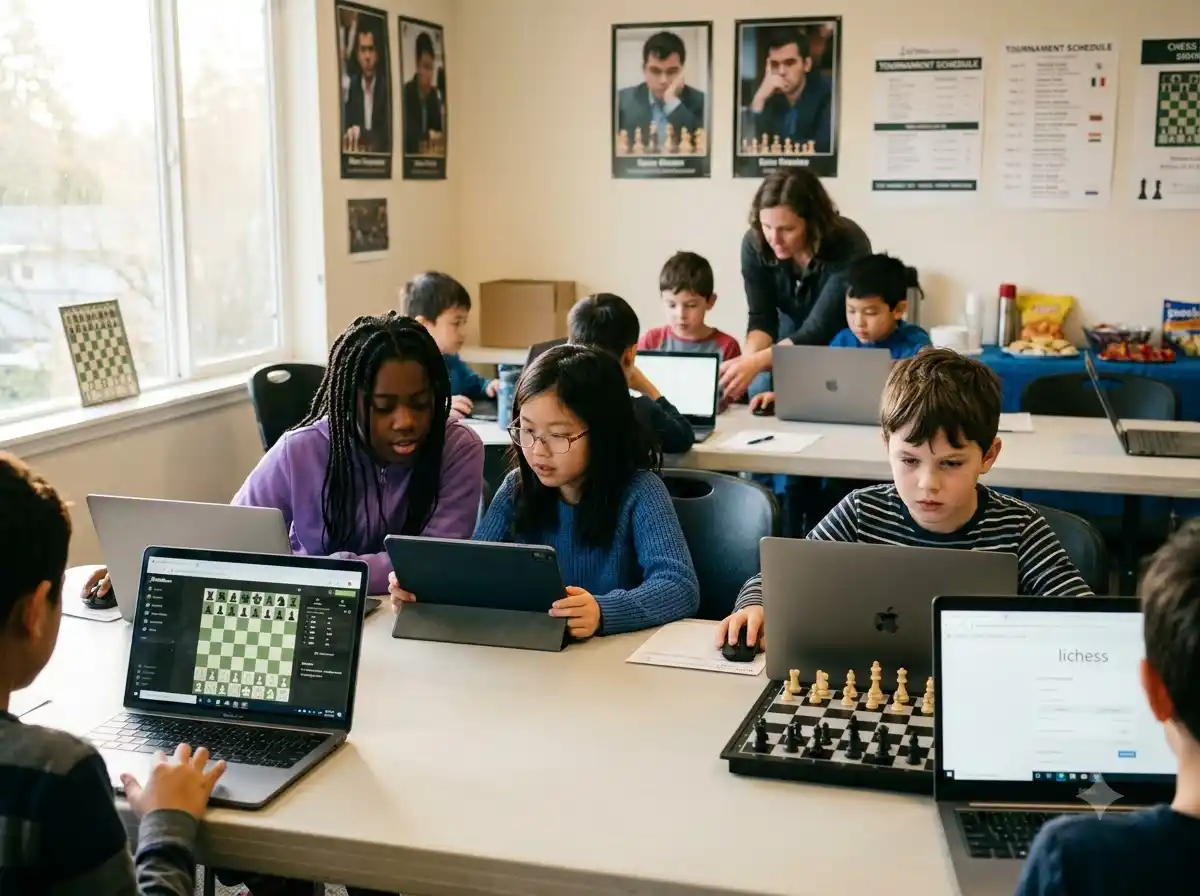
– Solve daily tactics puzzles (Chess.com, Lichess) focusing on defensive ideas.
Prevention is better than cure finding a threat early lets you defend calmly.
Strong Defensive Skills Every Chess Player Needs
Master these key defensive skills:
– Prophylaxis: Stop your opponent’s plans before they start (e.g., h3 to prevent …Bg4 pin).
– Overprotection: Guard important squares with more than one piece.
– Counterplay: Create your own threats while defending.
– Simplification: Trade pieces when you’re ahead to reduce complications.
– King safety: Keep your king well-protected with a strong pawn shield.
Good defenders make aggressive opponents make mistakes.
Famous Games Where Players Won Without Losing Material
José Raúl Capablanca was a master of clean wins.
In Capablanca vs. Tartakower (New York 1924), Capablanca won a legendary rook endgame without losing any pieces his play was so precise that Stockfish gives near-perfect accuracy. Anatoly Karpov’s positional games (e.g., vs. Spassky) often ended without any material loss until the opponent resigned. Magnus Carlsen has multiple games where opponents made mistakes under pressure, while Carlsen kept every piece safe. These games show that steady, mistake-free play can lead to victory without risk.
How to Trade Pieces Safely in Chess
When trading is needed:
– Trade when you are ahead in material or position.
– Ensure the recapture improves your pawn structure (e.g., moving toward the center).
– Avoid trading your good bishop for a weak knight.
– Carefully think through the resulting pawn structure.
– Use trades to open lines only when your pieces are ready.
Safe trades limit your opponent’s options while keeping your pieces strong.
Endgame Techniques to Win Without Losing Pieces
In endgames, protecting your pieces is even more crucial:
– Bring your king out early.
– Create passed pawns without exposing your pieces.
– Use opposition and zugzwang to force your opponent into a disadvantage.
– Simplify to king and pawn endings where calculations are easier.
– Avoid unnecessary checks that let your opponent’s king move freely.
Capablanca’s endgame technique is still the gold standard for clean, confident wins.
Practical Tips to Play a Perfect Chess Game
- Play slowly in important positions use all the time you have.
- Write down your best moves and check for safety.
- Review every game with an engine to find hidden threats.
- Practice “no-blunder” games against stronger players.
- Build a repertoire of safe, solid openings.
- Stay physically fit tiredness leads to mistakes.
- Be patient: good positions often improve with time.
Consistency is key when you want to avoid losing any pieces.
Free Demo Class for Kids
Let your child explore 60-minute free interactive session with FIDE Rated coaches.
Enroll HereConclusion
Winning a chess game without losing a single piece is the highest level of skill it shows complete control of the board and an absolute refusal to make mistakes.
By focusing on keeping your pieces safe, being alert to threats, and playing in a clear, solid way, you can reach this advanced level even when facing tough opponents. Learn from players like Capablanca and Karpov, practice preventative thinking every day, and watch your game improve. The journey to becoming a great player begins with one safe move at a time. Start today, and soon you’ll be the one making your opponents lose pieces while you move smoothly toward victory.
FAQ
Yes, but it’s quite rare.
It usually happens in positional masterclasses or when the opponent makes a big mistake under pressure. Players like Capablanca and Carlsen have many examples of near-perfect games.
Players with a rating above 1800–2000 Elo can do this with disciplined play.
If your rating is below that, focus on avoiding mistakes first.
No safe and favorable trades are still important.
The goal is to avoid unforced losses.
Practice daily tactics and review games with a “blunder check” on venturechessacademy.com or Lichess.
Yes, especially against other beginners by playing simply and castling early.
Capablanca for his perfect technique, Karpov for his prophylaxis, and Carlsen for his high accuracy.